
Mint is a versatile herb, widely used in cooking, various fields of cosmetology, and dentistry. Its beneficial properties are recognized in traditional and folk medicine. To maximize the benefits of including mint in your diet or using it in herbal infusions for various ailments, it's important to know its medicinal properties and contraindications. Today, breeders have developed numerous varieties. varieties of mint, differing in appearance and composition, as well as the intensity of aroma and flavor. Peppermint, which contains the highest amount of active ingredients, has become the most popular.
Chemical composition and caloric content of grass
A distinctive feature of any type of mint is its aroma and refreshing taste. The distinctive scent of the greenery is due to essential oils, and the menthol content in the leaves can reach 60%. Its healing properties are due to the presence of the following elements:
- vitamins A, B, PP and C;
- microelements;
- macronutrients;
- gallic acid;
- flavonoids.
100 g of the product contains 70 kcal, of which 8 g are dietary fiber.
Medicinal and beneficial properties of the plant
The plant's benefits stem from its rich content of micro- and macronutrients. Today, the crop is grown not only in small garden plots but also on large farms. It is used as a raw material in the production of health products, shampoos, and personal care products.
The plant has the following medicinal properties:
- provides a diuretic effect;
- promotes weight loss;
- eliminates rapid heartbeat, normalizes blood pressure;
- reduces the severity of flatulence;
- reduces the severity of vomiting;
- calms the nervous system;
- provides anti-inflammatory and analgesic effects;
- relieves itching and inflammation of the skin.

Mint, thanks to the presence of menthol, provides an antiseptic, antispasmodic and analgesic effect.
It can help reduce discomfort from stomach pain, and improve the expectoration of sputum in bronchitis and other lung diseases.
In cosmetology, mint is valued for its ability to strengthen, restore hair structure, and stimulate growth. Regular use of mint-based rinses adds volume and shine, eliminating split ends.

Use in folk medicine
Peppermint is used in traditional medicine recipes as an ingredient in the preparation of medicinal decoctions for internal use, and is applied externally in the form of masks, care products, and lotions.

Essential oil
The oil is used to treat and reduce the risk of respiratory diseases. It is added to inhalations, with the number of drops depending on the patient's age. For adults, use 2 drops per 250 ml of water. Menthol vapors help ease breathing, prevent asthma attacks, and improve sinusitis and headaches.
Traditional medicine recommends using mint for the following problems:
- colds - 2 drops of oil are mixed with baby cream and used as a rubbing agent;
- problems with nasal congestion - apply a drop of the product to the wings of the nose and distribute evenly;
- headaches - oil is applied to the temple area;
- pain during menstruation - rub the lower abdomen with a small amount of oil;
- heartburn - drink a mixture of 2 drops of oil and 1 teaspoon of kefir.

Essential oil is used in aromatherapy. It helps cope with stress and emotional tension. For effective results, simply add a few drops to an aroma lamp. Taking a warm bath with a small amount of peppermint oil is also effective in relieving physical and emotional fatigue.
This method serves as a preventative and therapeutic measure for arthritis, and for the procedure the number of drops is increased to 10 and a little milk is added.
The oil can provide relief when traveling outside. Simply soak a handkerchief in a few drops and hold it to your nose. The vapors will help relieve nausea, dizziness, and the irritation and nervousness often experienced when traveling on public transportation. The oil will also provide quick relief from motion sickness or an unexpected coughing fit in a public place.
Infusion and decoction
A decoction of the plant is used to normalize the heartbeat and improve digestive function. A cup of the aromatic drink can improve appetite and mood.
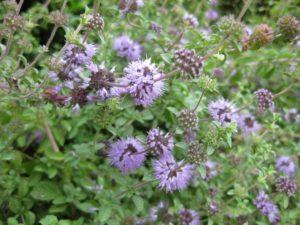

It is useful to take the following infusion periodically:
- mint - 2 tsp;
- water - 1 l.
To make a medicinal tea, pour boiling water over the herbs and let steep for 30 minutes. To make a decoction, boil the mixture for an additional 15 minutes, allowing the plant to release its maximum beneficial properties.
Peppermint tincture
A mint-based tincture provides pain-relieving and relaxing effects. It is contraindicated for internal use by children, pregnant women, and individuals who are prohibited from drinking alcohol. It is used to relieve intestinal spasms, toothaches, headaches, and neuralgic problems.

To prepare a tincture at home, take 100 grams of the herb and 0.5 liters of alcohol. This mixture should be left in a dark place for at least 14 days. For internal use, dissolve 15 drops in ¼ glass of water and take before meals.
Peppermint tea
You can use not only fresh but also dried mint to make tea. Simply steep 2 teaspoons of the herb in 1 liter of water. During the cold season, it is recommended to drink mint tea hot; in hot weather, it is better to add pieces of ice. The plant's flavor combines beautifully with chamomile, rose hips, St. John's wort and lemon.

Mint in cooking
Adding mint to meat dishes and entrees gives them a unique aroma. The greens and dried herb are added to salads, soups, pastas, and sauces. The herb is a natural coloring agent, often used in cakes and sweet treats. The plant is widely used in the liquor industry, where it is used as an ingredient in the production of alcoholic beverages. If desired, you can prepare one of the following drinks:
- mojito - cut 1 lime into slices, add 20 mint leaves and chop with a blender, fill a glass with ice and pour in 300 ml of mineral water;
- mint tea - pour 1 tbsp of herbs with 200 ml of boiling water and leave for 10 minutes.

The greens are wonderfully refreshing and invigorating, so they are often used as an ingredient in teas, infusions, and cocktails.
Mint in cosmetology
Peppermint oil stimulates hair growth and improves its condition. It is often found in shampoos, masks, and body care products. The plant helps eliminate dandruff, reduces irritation, and reduces scalp oiliness.

To stimulate blood circulation, periodically massage a small amount of peppermint oil into the scalp. It's considered an excellent moisturizer, helps relieve itching, and fights acne and pimples. To make a healing hair infusion at home, take 300 g of the herb and pour 1 liter of boiling water over it. Simmer the mixture for 30 minutes and then use it as a hair rinse.

A therapeutic bath to relieve fatigue, tension, and prevent joint problems is prepared using 50 grams of mint for every 8 liters of water. You can use oil instead of the herb; just a few drops are enough.
Contraindications and possible harm to the body
Mint is contraindicated in cases of individual intolerance to the plant. Avoid excessive use, as this can lead to side effects. Uncontrolled use can lead to itching and redness of the skin, bronchial spasms, severe headaches, nausea, and vomiting. Before using or applying mint to the skin, ensure that you do not have an allergic reaction to it.
The greenery of the plant is harmful in the following circumstances:
- excessive nervous excitability;
- insomnia;
- infertility;
- breastfeeding period;
- children under 3 years of age.
Men should exercise caution when consuming mint, as it can reduce sexual desire. Breastfeeding women should limit its use because the herb can reduce milk production.
Related posts:
 Top 40 DIY New Year's Baking Recipes for 2020
 Names and descriptions of mint species, what varieties exist in nature
 Description and properties of Moroccan mint, planting and care instructions
 General information about pennyroyal, planting and caring for ombalo or fleabane
 Features and uses of spearmint, planting and care rules
 Description and cultivation of spearmint, planting and care rules
 Medicinal properties and contraindications of field mint, description and care
 Description and general information about chocolate mint, planting and care