
- Description of the plant
- Chemical composition and appearance of a field mint bush
- Places where field mint grows
- Medicinal and beneficial properties of mint
- Properties of the plant during pregnancy
- Meadow mint tincture for men
- How is grass beneficial for children?
- Harmful effects of field mint and its limitations
- Medicine
- Cosmetology
- Cooking
- How to plant and grow field mint
- Collection and preparation of field mint
Field mint is a common perennial plant from the Lamiaceae family. The plant is widely used in traditional medicine, cooking, and cosmetology. Mint is used in salads and entrees. Before growing this plant, it's worth familiarizing yourself with all its characteristics and the nuances of growing it.
Description of the plant
Meadow mint has many characteristics that distinguish it from its relatives. Flowering occurs in June and lasts until October. The mint plant's fruits ripen in August. It is a creeping herb capable of covering large areas. It is widely used in landscape design as a basic element.
Chemical composition and appearance of a field mint bush
Field mint contains menthol, menthone, neomenthol, limonene, piperitone, alpha-pinene, tannins, and flavonoids. The aerial parts contain 2% essential oil, rich in camphene, caryophyllene, thymol, octanol, furfural, menthenone, isovaleric acid, and caproic acid.
Mint bushes grow up to 0.5 meters tall. A distinctive feature is the shoots, covered in shaggy, reddish hairs. Mint leaves grow up to 5 cm long and are ovoid in shape. The edges have fine teeth 3-4 mm long. When ripe, lilac or purple flowers form on the mint. They are located at the base of the stems near the leaves. After flowering, the mint is covered with rounded fruits that resemble smooth nuts.
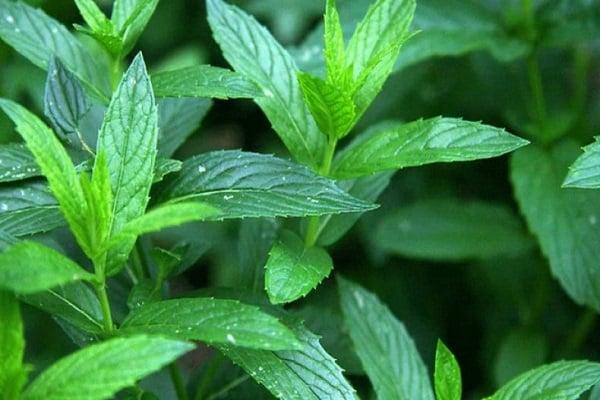
Places where field mint grows
Perennial mint prefers to grow in areas previously planted with legumes, melons, and buckwheat. These plants enrich the soil with calcium, stimulating future growth. Mint should not be planted near flowering berries, fruits, or vegetables. It's best to plant non-edible crops like flowers, herbaceous shrubs, or bushes as neighbors.
Take a look Also
Medicinal and beneficial properties of mint
Field mint contains a large amount of menthol, which is an effective anesthetic. For medicinal purposes, the leaves are rubbed onto the skin and applied to inflamed mucous membranes. Medicinal infusions are made from mint stems to improve gastrointestinal function and cleanse the digestive tract. These infusions are taken twice daily, morning and evening.
Properties of the plant during pregnancy
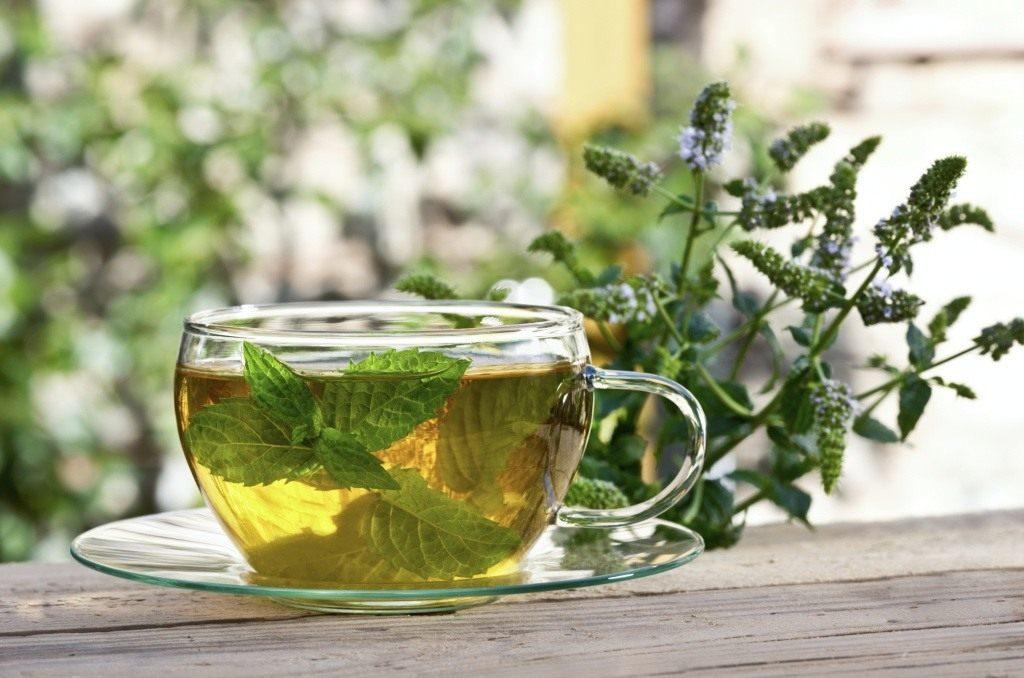
During the perinatal period, most medications are prohibited; alternative remedies such as peppermint are used. This medicinal herb is widely used to relieve nausea, heartburn, and bloating. Drinking 3-4 cups of peppermint tea daily is recommended. The product should be purchased from a pharmacy and should not contain additives or impurities. Use of peppermint essential oil is prohibited for pregnant women.
Meadow mint tincture for men
For men, field mint is an effective remedy for gastrointestinal problems, nervous disorders, heart and vascular problems, colds, and flu.
- Take a bath with peppermint infusion before bed. Add 3 tablespoons of fresh or dried mint. This treatment will help normalize your emotional state after a hard day at work and ensure a sound sleep. Thanks to the relaxing and analgesic properties of peppermint, it can also reduce back, lower back, and joint pain.
- Men often experience excessive sweating of the feet. This is accompanied by an unpleasant odor and physical discomfort, leading to a host of complications. The affected skin develops chafing, blisters, and is prone to fungal or bacterial infections. Foot baths with mint leaf infusion are recommended. This treatment reduces foot sweating and fatigue, provides an antibacterial and refreshing effect, improves the overall condition of the skin, reduces odor, and prevents a number of pathological processes.
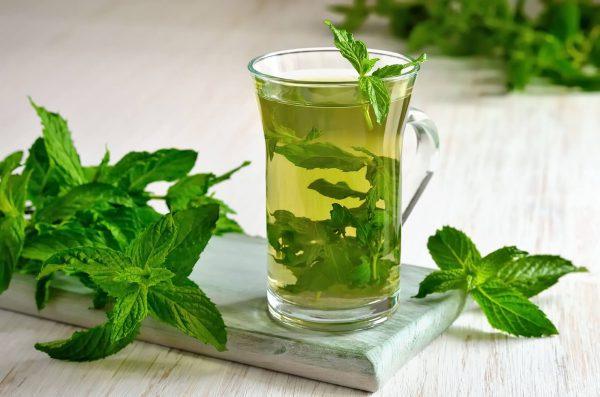
You can add sage, rose hips, and lemon balm to mint baths to enhance the effect.
How is grass beneficial for children?
Children are given peppermint infusions to quickly relieve diarrhea. Prepare the remedy using 2 dessert spoons of the herb and 1 cup of boiling water. Combine the ingredients in a glass jar and let steep for half an hour. Cool the liquid and strain through cheesecloth. Drink it throughout the day in small doses. Peppermint can be given to children over 3 years old, provided they are not allergic.

Harmful effects of field mint and its limitations
Before using mint-based remedies for therapeutic purposes, please familiarize yourself with the restrictions. Contraindications include:
- intolerance to plants of the Lamiaceae family – sage, oregano, rosemary;
- hypotension;
- low acidity or irritable bowel syndrome.
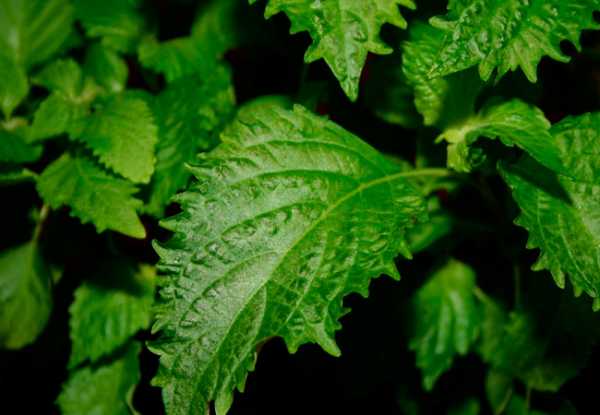
This medicinal plant should not be used concurrently with heartburn medications. Field mint poses no danger if used for no more than 1.5 months at a time.
Medicine
In medicine, mint is used for a wide range of purposes. These include the following conditions:
- cramps, stomach cramps;
- nausea;
- coughing fits;
- muscle pain;
- inflammation, fungal infections of the skin.
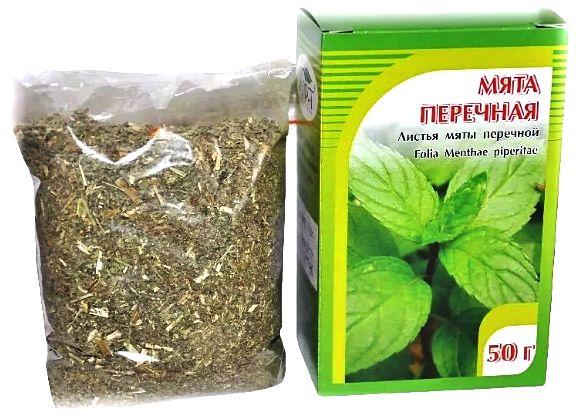
When mint comes into contact with the skin, menthol stimulates nerve impulses, activating them and causing a slight cooling sensation. Small capillaries in the upper layers of the epidermis constrict, and vessels in deeper tissues dilate.
Cosmetology
For bruises and spider veins on the face, use a poultice of fresh mint leaves. Finely chop about 5-6 leaves, place them in a saucepan, and pour in 50 grams of dry white wine. Simmer the mixture over low heat for 5 minutes, then place the leaves on a bandage and apply to the affected area for 15 minutes. Repeat this procedure 2-3 times a day until the bruises and spider veins completely disappear. Mint-based lotions, steam baths, and masks are also used. The plant tones, firms, cleanses, and stimulates facial circulation.
Cooking
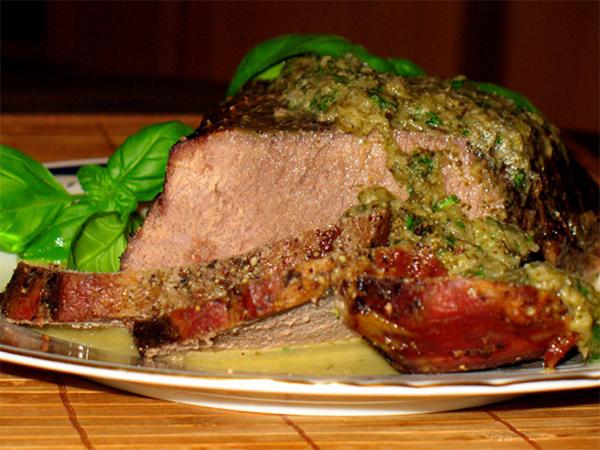
The plant is used as a spice in the liquor and confectionery industries, using not only the mint itself but also its oil and essence. At home, add it to dishes with caution to avoid imparting a bitter taste. Wild mint is used in the preparation of cookies, gingerbread, buns, compotes, fruit drinks, kissels, liqueurs, and kvass.
How to plant and grow field mint
Before planting mint, you should decide on a time: late spring or midsummer. If you're growing the plant in a greenhouse, you can plant it any month. Prepare the seedlings in advance, and disinfect all the seedlings. Dip them in a potassium permanganate solution for 20 minutes. Then, remove them and let them dry.
Mint should be planted in a well-lit area, protected from the wind.
Fertile, loose soil with plenty of nutrients is considered optimal. Field mint grows well in black soil. The plant does not thrive in calcareous soil. The area should be pre-treated with nutrients such as superphosphate, potassium chloride, ash, and saltpeter.
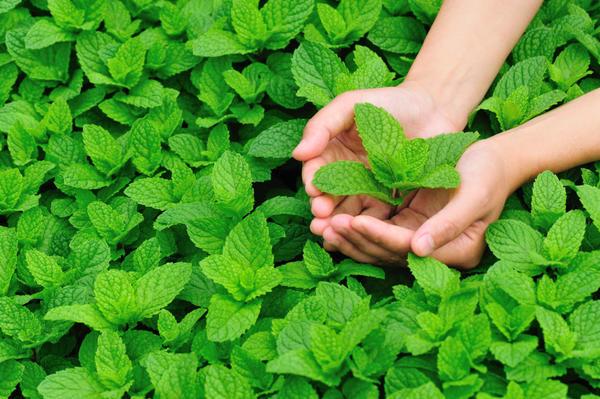
To plant mint in the garden, use the following method:
- First, rows are marked out, on which holes are made;
- Maintain a distance of 50-60 cm between the bushes so that they do not shade each other;
- On each row, dig holes 5 cm deep, add humus, water with warm water, and then plant the seedlings.
After planting, the holes are filled with soil and watered again.
Collection and preparation of field mint
Mint is harvested when it's in active bloom. The stems and leaves are infused with essential oils and tannins. When harvesting, inspect the bushes; they shouldn't be too young. Unripe seedlings have a weak aroma and are less nutritious. After harvesting, the mint is stirred in the sun and dried for 3-4 days. The dried plants are stored for winter storage. Field mint is placed in plastic bags and refrigerated.
Related posts:
 General information about pennyroyal, planting and caring for ombalo or fleabane
 Description and cultivation of spearmint, planting and care rules
 Features and uses of spearmint, planting and care rules
 Description and properties of Moroccan mint, planting and care instructions
 Names and descriptions of mint species, what varieties exist in nature
 The medicinal properties of mint for the human body, areas of application and contraindications
 Description and general information about chocolate mint, planting and care
 How to properly plant mint seeds outdoors at your dacha