
Mint is a fragrant plant used in a variety of fields, including cooking, medicine, and cosmetology. The question of how to properly store mint occupies many people's minds, as the plant's natural growth period is short, and they want to cherish the memories of summer throughout the year.
On winter evenings, it's a pleasure to treat yourself to tea with the refreshing aroma of menthol, a prominent component of the plant with an additional tonic effect.
By learning popular recipes for preserving this green wonder, you can stock up on the minty flavor and aroma for a year. You can use the preserved greens:
- for preparing and decorating various dishes;
- for the purpose of refreshing and whitening facial skin (masks, lotions);
- as a calming drink (mojito, cocktails with added mint flavor);
- for baths and bathtubs;
- as a medicine (infusions, decoctions).
To ensure mint doesn't lose its qualities, you should prepare it for future use by following simple recommendations.

Features of storing mint
There are a variety of simple ways to keep a plant healthy. However, it's important to keep a few nuances in mind when storing it for the winter. These include:
- The plant exhibits its most beneficial properties at the end of June and the beginning of July, that is, during the period of active flowering, so it is necessary to plan for future harvesting during this period.
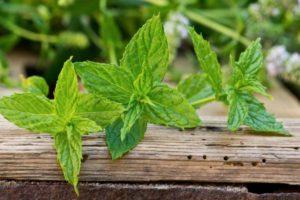
- Young stems with an abundance of aromatic leaves, which contain a high concentration of essential oils, are suitable for storage.
- Collect mint It is recommended after the dew has disappeared, but no later than 11 am.
Only mint harvested within the specified timeframe will delight you with its minty flavor and delightful aroma. The most successful storage methods include drying the plant or freezing it.
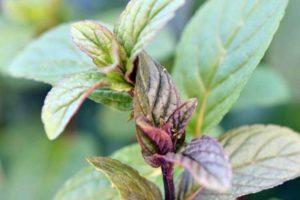
Mint can be harvested from whole sprigs or individual leaves.
Preparation of raw materials
Harvested plants require careful preparation before storing, using any preferred method. The raw material preparation procedure is virtually identical for all recipes.
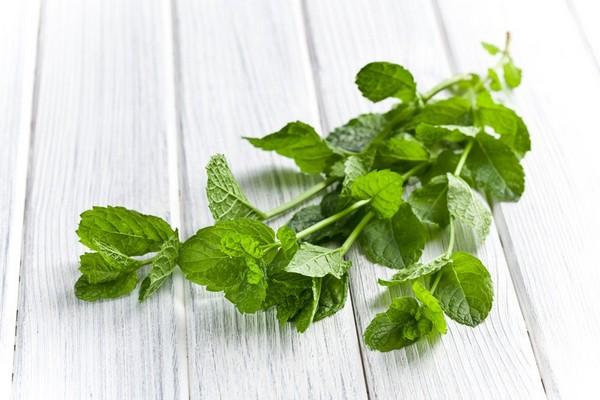
To achieve a good result, you need to:
- sort through the stems and leaves, removing dry fragments, weeds, accidentally dropped debris and insects;
- rinse the plants under running water and drain in a colander;
- lay it out on a towel and wait until excess moisture is removed;
If only the leaves are to be stored, they must be removed from the stems. It's best to do this by hand, avoiding metal objects such as pruning shears, scissors, or knives. This will prevent the risk of oxidation, which can cause premature spoilage.
How to store fresh mint
Harvested mint quickly withers, as a result of which it loses not only its original freshness, but also its beneficial qualities.
Storing in the refrigerator is the best option, as it allows you to keep the product fresh for a week.
After preparing the emerald greens in the manner described above, they are kept in the refrigerator using simple tricks:
- Place the plant stems in a jar of water. Changing the water daily will keep the greens fresh for up to 10 days.
- Place a bunch of mint in a plastic container with a tight-fitting, air-tight lid. Store for 5-7 days.
- Spread the stems in a thin layer on a damp cloth and roll it into a roll. Store for 3-4 days.
These recipes help prolong the mint's shelf life for a short time. However, it quickly loses its vibrant color. Furthermore, other foods tend to absorb the plant's odors.
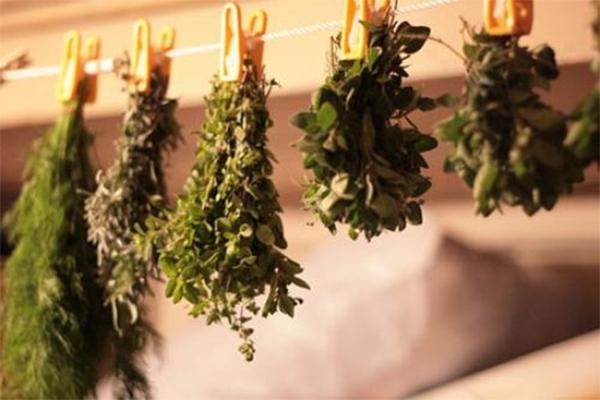
Drying mint
Drying is an old, tried-and-true method for preserving plants. This method preserves all the flavor, color, and menthol aroma. There are several drying options:
- natural - in a well-ventilated place;
- using a microwave oven;
- drying in the oven.

Oven and microwave drying reduce the preparation time, but as a result of heat treatment, the product loses a significant number of its beneficial properties; essential oils simply evaporate during this type of treatment.
Natural air drying allows you to achieve a truly amazing result, provided that all the requirements of the preparatory stage described above are met.
The rest of the steps won't take much time:
- it is necessary to collect mint in small bunches;
- Tie the lower part of the stems tightly with strong thread or twine;
- Hang bouquets of mint with the inflorescences down so that all the substances are concentrated in the leaf area.
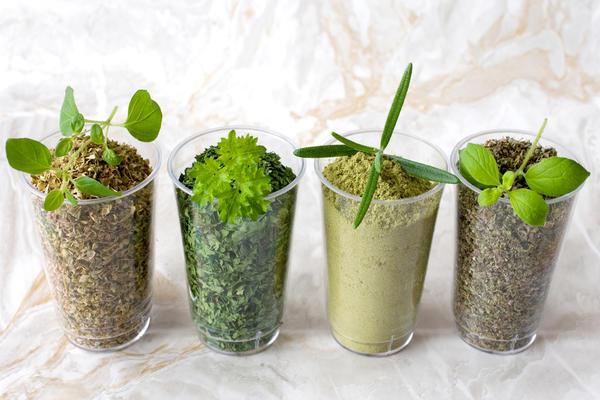
The room should be well ventilated without direct sunlight hitting the plant.
After the stems and leaves have completely dried, the resulting raw material must be placed in a dry glass container (preferably dark in color), tightly closed and placed in a dark place.
This preparation can be stored for over a year without losing its properties. Tea, meat dishes, and desserts are the main uses for dried mint.
Freezing a plant
Mint can be preserved for the winter using a freezer. Frozen mint, like dried mint, retains all its qualities for 7-8 months.
Whole leaves
Well-prepared greens are placed in a plastic bag with a hermetically sealed clasp.
If you want to freeze only the leaves, they are first removed from the stems by hand.
An important requirement: there should be no moisture on the leaves, and air should be removed from the bag using a cocktail straw.
Whole branches
Freezing the leaves and stems is perfect for garnishing holiday dishes. This mint is also used to make infusions and decoctions for cosmetic and medicinal purposes.
The plant branches are placed in a plastic bag, from which the air is removed. The bag is then tightly rolled into a tube and placed in the freezer.
Finely chopped
Convenient packaging of products is more suitable for preparing first courses.
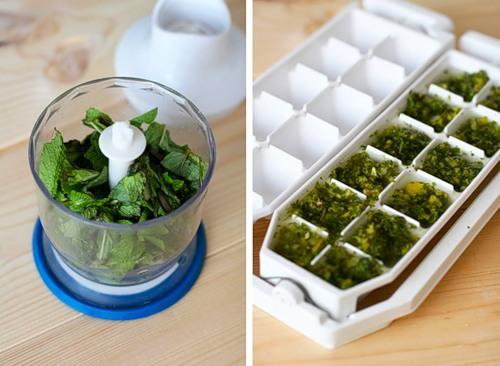
The greens are pre-chopped with a knife or in a blender, placed in small containers and frozen.
The disadvantage of this method is that it is difficult to separate the required amount of product.
In ice cubes
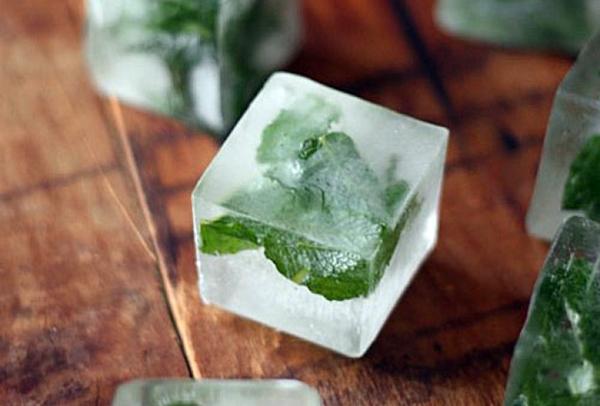
The most convenient way to freeze mint is in special ice cube trays. Candy trays can also be used for this purpose.
The advantage of this method is portioned packaging.
Preparation:
- Place 1-2 mint leaves in each cell;
- add water;
- freeze.
These cubes have a wide variety of uses, including tea, mojitos, facial cleansing, and cooking.
The variety of mint storage methods allows you to choose the most suitable option based on your capabilities, needs, and intended use.
Related posts:
 General information about pennyroyal, planting and caring for ombalo or fleabane
 Features and uses of spearmint, planting and care rules
 Description and cultivation of spearmint, planting and care rules
 Description and properties of Moroccan mint, planting and care instructions
 Names and descriptions of mint species, what varieties exist in nature
 Medicinal properties and contraindications of field mint, description and care
 Description and general information about chocolate mint, planting and care
 The medicinal properties of mint for the human body, areas of application and contraindications