Herbal medicine, folk medicine, and culinary applications of the spicy herb mint are numerous. Since it's widely found in the wild or grown in home gardens, finding the right ingredients is easy. But the question remains: how to properly dry mint so it retains its appearance and aroma all winter long.
Preparing mint
The first and most important step is to prepare the raw materials correctly.
If you need not just an herb, but a plant with spicy and medicinal properties, then there are several simple rules for collection:
- Harvesting near roadsides and industrial sites is not recommended. Mint grown there will contain various chemical compounds that will not provide health benefits.
- Young shoots are also unsuitable for drying: they quickly dry out and lose their aroma. Flowering plants, which contain the maximum amount of essential oils, are best.
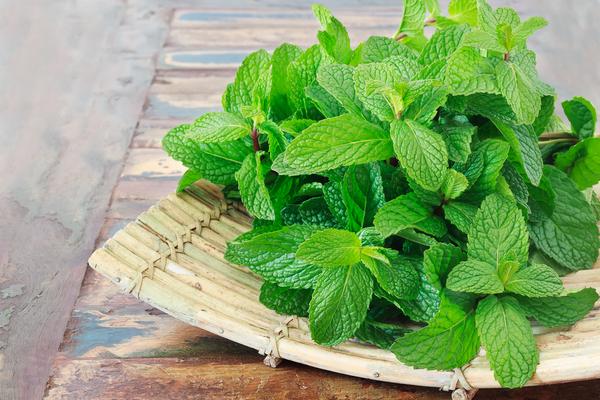
- A third of the main stem's length is used for cutting. This doesn't harm the plant; it can regrow and produce a new "harvest."
- You cannot take sick or damaged plants, as they lose their medicinal properties.
- When harvested in damp weather, the spice requires a long drying time. This causes the leaves to turn brown, which affects the marketable appearance. Hot weather is also not ideal for harvesting, as the mint leaves wilt from lack of moisture.
If the plant leaves are covered with dust, it is better to carry out artificial sprinkling before harvesting, let the leaves dry out, and only then begin harvesting.
When to harvest mint for drying
The best time to harvest mint is June-July. This depends on the specific region where the harvest is being carried out. The main criterion is the beginning of budding. At this time, the leaves, rich in essential oils, are harvested. During flowering, the leaves and shoots are suitable for harvesting. However, after flowering, harvesting should be stopped, as the amount of nutrients decreases and the shoots become rough and hard.

The ideal time for harvesting is morning and evening, when there is no rain or extreme heat. This is the period when high-quality raw materials suitable for subsequent storage can be obtained.
Since ancient times, mint has been dried, added to dishes, used as a remedy, and used to scent homes. But its most popular use was as a tea infusion.
Drying the plant
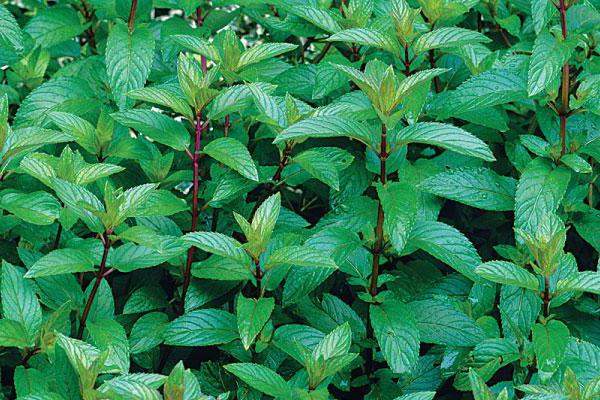
After collecting the aromatic herbs, they are washed, lightly dried, laid out on paper (cloth) towels, and then the drying process itself begins:
- at home, if the mint is collected with stems, loose bunches are tied together and tied with ropes;
- the leaves are spread out in an even layer on paper or fabric under a canopy in a draft (I use an attic, balcony, or shed);
- Shade and good ventilation are the main allies when drying medicinal raw materials;
- make sure that there is no road nearby and that dust does not fall on the raw materials:
- The leaves are periodically stirred and turned over, otherwise they will become moldy.
It's important to keep the plants away from direct sunlight, otherwise they lose some of their beneficial properties. Leaves can be covered, and tufts of grass can be covered in paper. The covers should be loosely placed to allow air to pass through.
To dry mint, the optimal temperature is about +20, +30 C.
Sometimes accelerated drying is used in a conventional oven or electric dehydrator. The temperature is set to no higher than 30°C. At higher temperatures, the aromatic odors "evaporate." This method is far from ideal and is used only in rainy summers. Natural conditions for preparing raw materials are considered the best.
If necessary, use a food dehydrator, dehydrator, or microwave. When using these, it's important to know the proper drying procedures to avoid damaging the plant material.
Features of drying mint
There's a special technique used by mint tea lovers: fermenting it. This process destroys the leaf's structure, releasing its juice. To do this, the leaves are rolled between the palms, ground in a meat grinder, or frozen. Next:
- the fermentation process is started under the influence of bacteria;
- oxidation of leaves occurs;
- over time, the color of the fermented mass changes;
- the smell becomes especially intense.
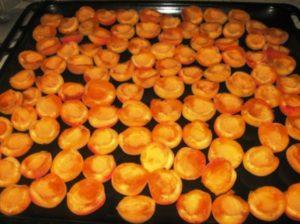
The leaves obtained by fermentation should be dried and stored for the winter to make aromatic teas. For herbal tea, you can create a fragrant bouquet of mint leaves, currants, raspberries, and cherries. You can also create your own combinations based on your favorite flavors.
How to store dried mint
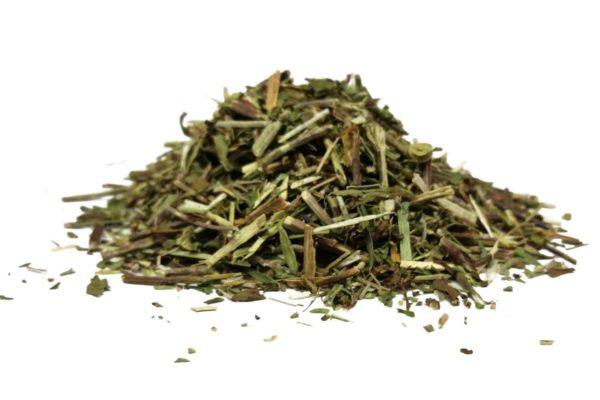
The entire drying process takes about a week. If the mint is ready for storage, the leaves rustle, break off easily, and crumble. These are all signs that the mint has been dried well.
It's usually ground into a powder for winter use, making it easier to store. However, it's preferable to preserve the stems with the leaves, as this preserves their flavor. The most convenient way to store dried herbs is in jars with tight lids or linen bags. Airtight ceramic or wooden containers are also suitable.
It is not advisable to use plastic or paper bags or cardboard containers, as they will draw out the mint aroma and subsequently the dish with the addition of the spice will lose its rich aroma.
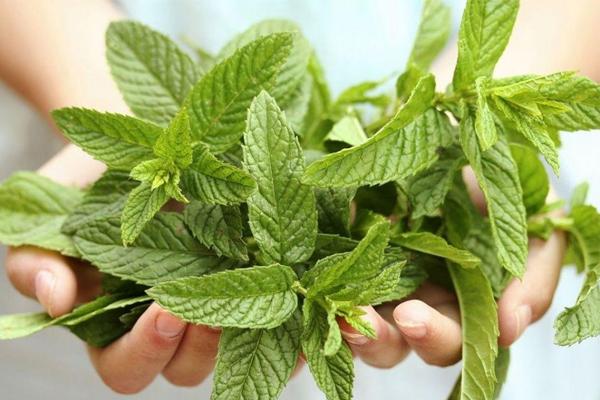
Choose a dark, dry storage location, away from heating appliances. The shelf life is 2 years. During this time, check your supplies and label jars or containers with the collection date.
It's a shame to throw out expired mint that still has its aroma; it can be used to scent baths. This not only provides aromatherapy but also benefits the skin.
Drying mint is easy, and in winter, it's a delight to enjoy with a richly flavored tea or a savory dish. Small bags of mint scattered around the house will bring the scent of summer into your home. This homemade spice will provide a few pleasant moments, which are rare in our lives.
Related posts:
 General information about pennyroyal, planting and caring for ombalo or fleabane
 Causes and treatment of eggplant pests and diseases, how to combat them at home
 The best eggplant varieties for growing in a polycarbonate greenhouse: planting and care
 How to grow mint from seeds in a pot on a windowsill in winter, care instructions
 How to properly harvest and dry chicory at home, harvesting rules
 Description and cultivation of spearmint, planting and care rules
 Features and uses of spearmint, planting and care rules
 Methods for planting and propagating cherries at home