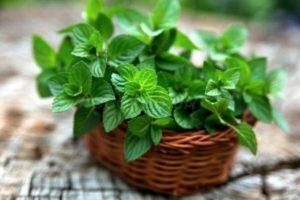
The familiar, aromatic herb mint has many species and subspecies, most of which can be grown in your own garden. Consider mint, a variety that contains a high amount of menthol. It's easy to care for, but its leaves have a more intense flavor and cooling effect than other varieties.
Characteristic features of the plant
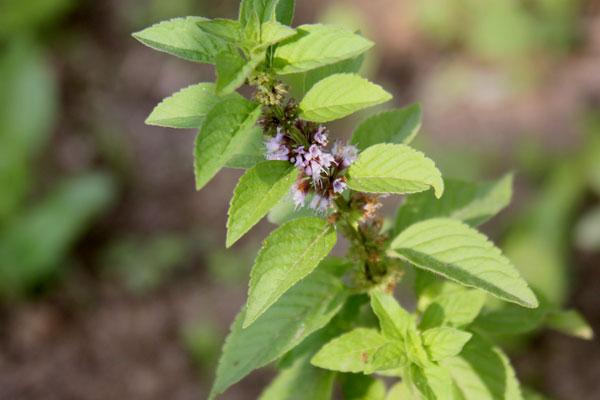
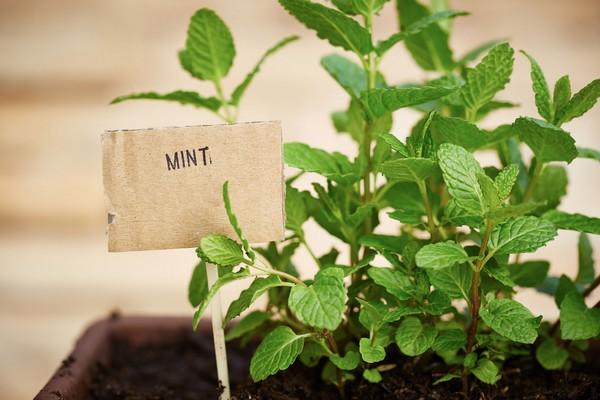
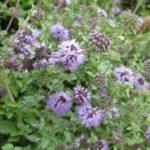
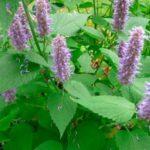
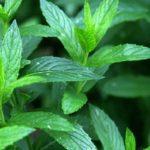
The main difference mint from other garden Species – an intense, pungent menthol scent. The plant has darker stems and ordinary green, ovate leaves with serrated edges. It can reach a height of 1 meter, but averages about 60-70 cm. Menthol mint flowers are small and purple.
Beneficial properties
The leaves of this plant contain a large amount of essential oils and menthol, which provide a strong aroma and cooling effect. They are used in medicine, cosmetology, aromatherapy, and in the preparation of desserts, cocktails, appetizers, and main courses.
The aroma of mint is simultaneously cooling, relaxing, and calming. In folk medicine, the tea and essential oil are used as:
- sedative;
- anti-inflammatory;
- disinfectant;
- pain reliever.
Many industrial drug formulations also include mentholated mint ingredients.
Seed preparation
The seeds are small and require no additional preparation before planting. It's important to be confident in their quality: buy seeds from reputable producers. If you harvest them yourself, collect them fully ripe and follow proper drying and storage procedures.
You can plant menthol mint directly in open ground, grow seedlings first, or propagate the plant by cuttings.
Preparing a landing site
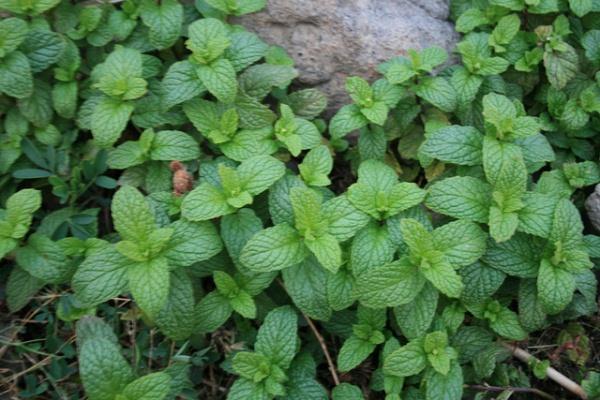
The plant thrives in soft, loose, fertile soil. Fertilizing is recommended during cultivation. The seedbed should be in moderately sunny, but not dry, soil. Mint dislikes clay-rich, dense, or overly dry soil.

Sowing
If you're planning to plant mint from seedlings, you can do so as early as early April. Prepare small containers with suitable soil and a sunny location for them. The optimal temperature for seed germination is 20-25 degrees Celsius (68-77 degrees Fahrenheit). Make sure the soil doesn't dry out or become too wet, otherwise the seeds may spoil.
Moisten the soil. Place the seeds at a depth of 0.5 cm, cover the containers with plastic wrap until a couple of leaves emerge above the soil. Then remove the plastic wrap. Transplant the two-leaf mint seedlings into separate pots or space them well (at least 8 cm) apart, to a depth of about half a finger.
After two weeks, you can repot the plants. It's important to note that mint doesn't always grow well from seed. If three weeks have passed since planting under plastic and the seeds still haven't sprouted, the seeds have died.
Fortunately for gardeners, ready-made mint seedlings are available for purchase at markets and specialty stores during the season, or you can try the more reliable method of propagating mint by cuttings.
Caring for the crop
Menthol mint doesn't require any complicated care; the main thing is to do it regularly and follow the proper sowing and planting guidelines.
Features of watering
Water the plant moderately to prevent root rot and death. If the mint grows too tall, it's not getting enough water.
Initially, seedlings are watered frequently until they become established in the beds. With normal rainfall, mature plants can be watered once every two weeks. This is best done in the evening.
Loosening
Mint prefers loose, airy soil. Loosen and hill it up every time after watering and weeding. This allows water and oxygen to easily reach the plant's roots.

Weeding
It's important to promptly remove all weeds from the mint beds. Too much grass around the plant will reduce its size.
If all procedures are carried out on time and correctly, and the mint still does not bush out, but only grows upward, cut off its top.
Diseases
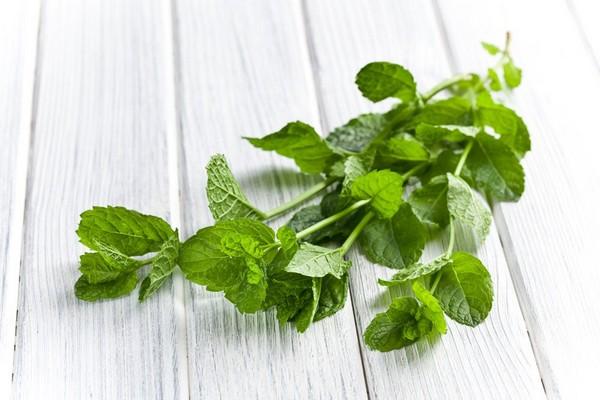
Mint often suffers from "rust," which causes rusty spots to appear on the undersides of leaves, starting from the roots. Affected plants should be pulled up and burned.
Another common problem is powdery mildew, which appears as a white coating resembling a fine web. A 1.5% colloidal sulfur solution can help save mint; spray it on infected plants after removing any diseased leaves. In the fall, dig the soil to a depth of at least 20 cm.
The crop can also be affected by fusarium, downy mildew, anthracnose, and mycoplasma growth.
Do not eat infected leaves!
Pests
Mint is often infested with insect pests. To prevent them, space the plants apart from each other and other plants. Periodically, gently mist with a hose.
Most often, on and under the leaves you can find mint mites, flea beetles, aphids, wireworms, weevils, and caterpillars of various butterflies.
Harvesting and storage
Pruning benefits mint, making it more lush and bushy, so you can begin harvesting leaves when the plant reaches a height of over 20 cm. It's not necessary to cut the entire stem; you can also harvest individual leaves.
If you're planning to dry herbs, it's best to wait until June for the flowers to bloom. They will last until mid-September. To get the maximum yield, pick the buds just as they begin to open.
To dry, wash the leaves, pat them dry, and spread them in a thin layer on a cloth or paper towel in a dry place, out of direct sunlight. Leave them there until completely dry. You can store the dried leaves in cloth bags or glass jars.
Related posts:
 Features and uses of spearmint, planting and care rules
 Description and properties of Moroccan mint, planting and care instructions
 Names and descriptions of mint species, what varieties exist in nature
 General information about pennyroyal, planting and caring for ombalo or fleabane
 Description and cultivation of spearmint, planting and care rules
 Medicinal properties and contraindications of field mint, description and care
 The medicinal properties of mint for the human body, areas of application and contraindications
 Description and general information about chocolate mint, planting and care