
The cucumber is one of the oldest and most well-known vegetable crops, with numerous varieties. It is grown in greenhouses, under hotbeds, and in the open ground. It can be planted both directly and with seedlings. There are special varieties for pickling and storage, as well as for eating straight from the garden. However, many gardeners still prefer all-purpose varieties, such as the Ecole cucumber.
Description of the variety
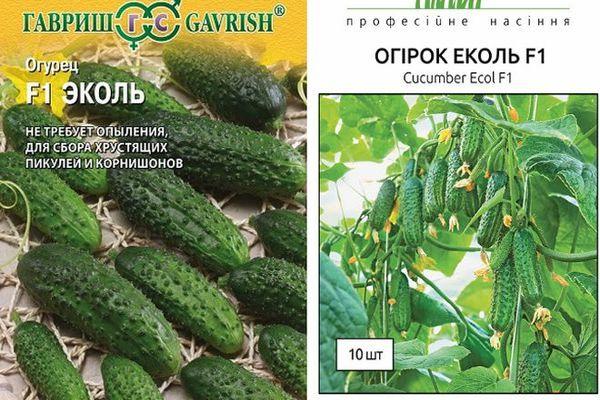
Ecole F1 is an early-ripening hybrid variety developed by Dutch agronomists at Sygnenta Seeds. It stands out among other varieties for its rapid growth before flowering. Its main characteristic is that it begins fruiting six weeks after the first leaves emerge.

Suitable for trellis planting in open ground. The fruits are short, up to 10 cm, cylindrical, and prickly with white spines. Several fruits, at least two, are produced simultaneously at a single node. The variety is moderately vining, tall, with few additional shoots arising from the main stem. The leaves are dark green. The fruiting period lasts about two months.
Growing
To speed up the germination of the Ecole F1 cucumber, you can use specialized products (Epin or Zircon) or natural immune stimulants (1 teaspoon of honey or aloe juice per 1 cup of water, soak the seeds for 6 hours). Then, germinate the seeds on a damp cloth or gauze napkin.
Agronomists recommend using seedling cultivation to accelerate fruit set and fruiting. The best option is to use large peat pots to avoid damaging the plant's root system when transplanting into the soil.
Sprouted seeds are planted to a depth of 2 cm and placed in a warm location at least 25°C. When the first shoots appear, they should be moved to a well-lit but cool location, at least 18°C, for a week to prevent excessive plant stretching.
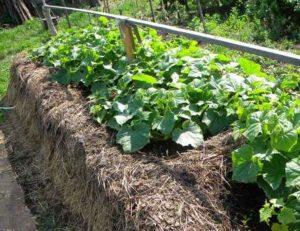
Once 2-3 full leaves have formed, the cucumber can be transplanted into a garden bed. Be sure to monitor the temperature; cucumbers stop growing below 14°C (55°F).

Plant cucumbers in a bed that was used last year for cabbage or onions – the quality of the harvest will be higher.
The Ecole F1 cucumber grows well in loose soil, in a sheltered bed with full sun. Cucumbers should be planted up to 30 cm apart within a row. Try not to plant more than three plants per square meter; if all conditions are met, these cucumbers will ripen first.
Care Features
The Ecole F1 cucumber variety is relatively low-maintenance, but to get a truly good harvest, you need to follow these simple steps:
- Loosen the soil around the plants to a depth of 10 cm.
- Water with warm water up to +25 °C in the morning or evening using a watering can.
- When the temperature drops or during a rainy summer, reduce the intensity of watering so that the roots do not begin to rot.
- In warm weather, fertilize the plants in the evening under the ground.
- Apply fertilizer 4 hours before watering cucumbers.
- Prepare a trellis support for the long vine to climb upward. The bush should be held vertically.
- Cover with film overnight or at temperatures below +14° C.

It's recommended to remove the ovaries from the bottom 4-6 leaves. This will allow the plant to develop a strong root system, which will increase yield.
Advantages and disadvantages
The variety has more positive qualities than negatives. The main advantages of the Ecole F1 hybrid are:
- Resistance to the main cucumber diseases: viral mosaic, powdery mildew, olive spot of cucumber, cladosporiosis.
- Parthenocarpic variety that does not require pollination by bees.
- Tolerates temperature fluctuations and heat well.
- Early maturing, fast ripening of fruits.
- Suitable for open ground.
- Thin skin and pleasant delicate taste without bitterness.
- High-yielding variety – up to 20 kg/m.
- Suitable for processing and canning.
- Small in size, can be used as pickles and gherkins.
- Suitable for cultivation in industrial agricultural complexes.

There are very few disadvantages: when overripe, the fresh, delicate taste is lost and the skin thickens, and there are prickly spines on the fruit.
Pests and diseases
Most cucumber varieties are susceptible to unpleasant diseases or pest attacks:
- White rot is characterized by the appearance of a whitish coating and a slimy layer on the leaves. Remove the affected parts of the bush and spray with an aqueous solution: 2 grams of copper sulfate and 10 grams of urea per bucket of water. Use one liter of solution per 10 square meters.
- Downy mildew causes light yellow spots on leaves, leading to drying out of the plant. A grayish coating also appears on the undersides of the leaves. Damaged plant parts should be removed and sprayed with a Bordeaux mixture solution: dissolve 100 g of the mixture in one bucket. You can also treat with specialized products such as Topaz, Ridomil Gold, or Quadris, following the instructions on the packaging.
- Tobacco mosaic disease is characterized by yellowish spots on leaves and fruits. There is no cure; affected plants should be removed.
- Melon aphids are insects that damage the leaves, flowers, and shoots of plants. Treatment with malathion (Karbofos) according to the instructions is recommended (2 tablespoons per bucket of water, heated to 30°C, and sprayed at a rate of 1–2 liters per square meter).
- Spider mites are insects that damage leaves by covering the undersides of the leaves with webbing, causing them to dry out. Spray with an infusion of 10 grams of red pepper and 1 kilogram of potato tops per bucket of water. Vertimec can also be used according to the instructions.
- Whiteflies damage cucumber leaves by sucking out the juice. If damage is caused by this insect, rinse the leaves with clean water. Place bait nearby: a piece of yellow plywood coated with Vaseline or castor oil.
 Disease prevention involves timely weeding, loosening, proper watering, and removal of dry branches after harvesting.
Harvesting and storage
The Ecole cucumber variety is harvested at least every 2-3 days, without waiting for it to become overgrown. It's delicious both fresh and processed. The ideal size is 5-7 cm, making it ideal for pickling, canning, and other preserves, including winter salads. Avoid picking the cucumbers; it's best to carefully cut off the stem with a knife. Fresh cucumbers can be stored in a cool, dark place (like the refrigerator) for up to one week.

Reviews from vegetable growers
Most gardeners speak highly of the Ecole variety, citing its high yield, abundant fruit set, clustered fruiting, excellent flavor, and suitability for canning and pickling. The only drawback: gloves are required when harvesting to avoid injury from the thorns.
Related posts:
 30 Best Dutch Cucumber Varieties with Descriptions and Characteristics
 The best grape varieties for growing in the Urals, planting and care rules in summer
 The best eggplant varieties for growing in a polycarbonate greenhouse: planting and care
 Methods for planting and propagating cherries at home
 How to propagate and grow peas, cultivation technology, and care in open ground
 Carrot care guidelines for outdoor cultivation to ensure a good harvest
 Description of varieties of sowing peas and cultivation, to which family they belong
 How to plant grapes step by step, with a description of the process and care