
Plum puree is a delicate, delicious, and healthy treat. It's ideal for both adults and children. With little or no sugar, it makes a wonderful addition to any menu. Plums contain many vitamins, including potassium. A short cooking time preserves most of them. Recipes for making plum puree for the winter will help you preserve the fruit. All of this is inexpensive.
How to prepare plum puree for the winter
There are some features that should be taken into account when preparing this product:
- The berries must be carefully sorted. They must be free of damage and rot;
- The amount of sugar used varies according to personal taste;
When heating the mixture, choose enameled cookware. This will greatly reduce the risk of the product burning..
Preparing the main ingredient
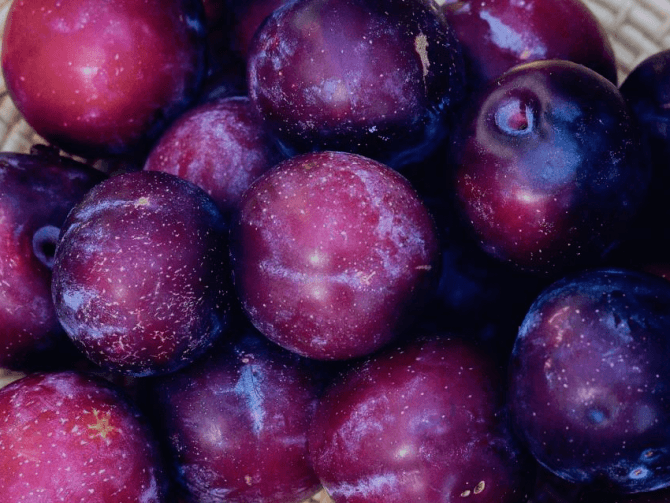
To make plum puree, choose fresh, firm-textured plums that are not overripe. Rinse the plums thoroughly under running water, remove the pits, and cook them according to your chosen recipe.
Simple recipes for making plum puree
It's quite easy to prepare this product at home. There are several ways to do it.
Sugar free
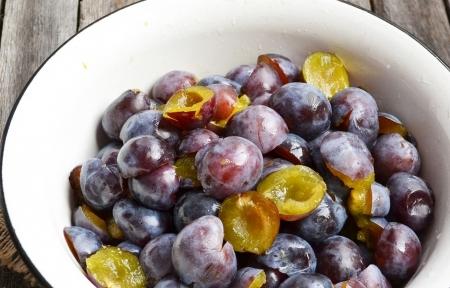
This is the simplest method. To do this, wash the plums, cut them in half along the groove, and remove the pits. Next, add a 1.5-2 cm layer of water to the pan and bring to a boil. Once boiling, simmer the plums for 10-15 minutes until they are completely soft.
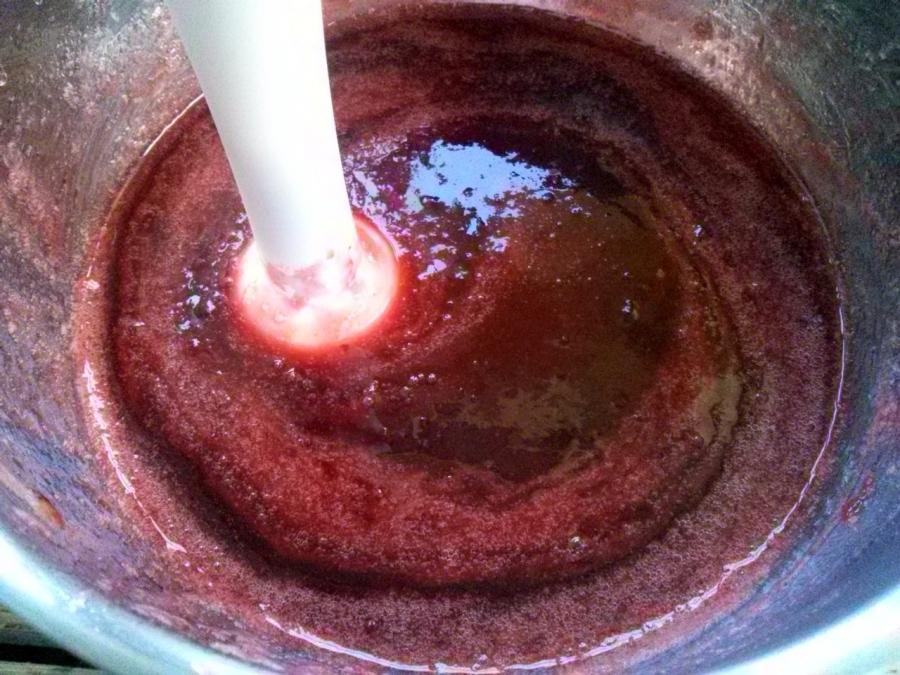
Then, strain the resulting mixture through a sieve. You can use a blender—it will make the job faster and easier.
After this, place the mixture on the stove and simmer for about 10 minutes. During this time, sterilize the jars and lids, then add the hot puree and seal. Next, wrap the jars in a blanket and let them cool gradually.
With sugar
The preparation principle is similar to the previous one, but differs by adding sugar to the resulting puree. Peeled and washed berries are placed in a saucepan and sprinkled with sugar at a ratio of 1 part sugar to 2 parts plums. After this, the fruit is blended or mashed, boiled for no more than 10 minutes, sealed in sterile jars, and placed in a warm blanket to cool.
In the microwave
The microwave cooking method differs from the traditional method. The berries are peeled, pitted, cut into small pieces, and placed in a microwave-safe container. The container is then microwaved for 10 minutes at maximum power.
Then, remove the berries and mash them with a fork. Afterward, microwave them again for 7-8 minutes, then stir. This cycle should be repeated 3-4 times until the mixture is smooth. After this, place the puree in jars, seal, and store.
With cinnamon
This puree has a pleasant fruity aroma with subtle hints of spice. To prepare, you'll need:
- Sugar.
- Plums.
- Ground cinnamon.
- Vanillin.
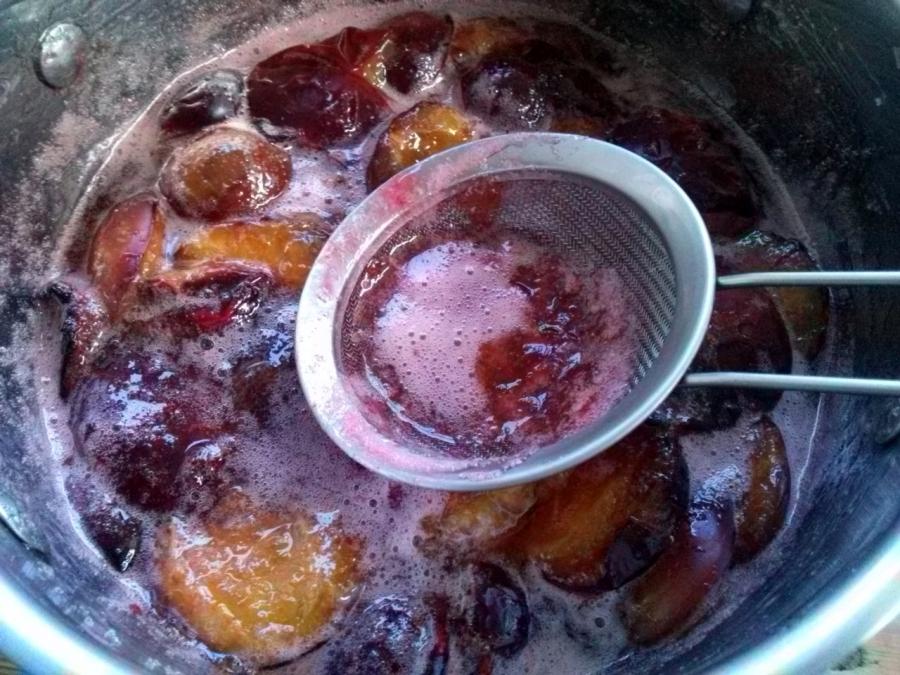
Plums are prepared in the standard way: washed, peeled, covered with a small amount of water, and placed on the stove. Once the plums have softened, they are mashed through a sieve, adding sugar, vanilla, and ground cinnamon. The puree is then brought to a boil and simmered for 14-15 minutes. The hot puree is placed in sterilized jars, sealed, and left to cool.
With condensed milk
To make plum puree with condensed milk, you need to prepare the plums as in all recipes - wash them under running water, cut them in half and remove the pits.
Next, place the fruit in a saucepan and place it on the stove. After forty minutes, blend the resulting mixture, add a little sugar and condensed milk, and stir. Afterward, seal the puree in sterilized jars and store.
Take a look Also

From prunes
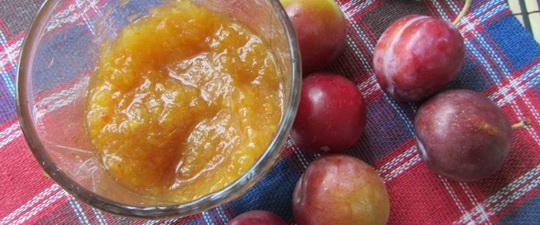
This puree can be made any time of year, as it doesn't require fresh plums. All you need are prunes and water. First, wash the prunes thoroughly and remove the pits. Then, soak the berries in warm water to plump them up.
After 24 hours, drain the water, rinse the prunes under running water, place them in a saucepan and fill with water so that it completely covers the berries.
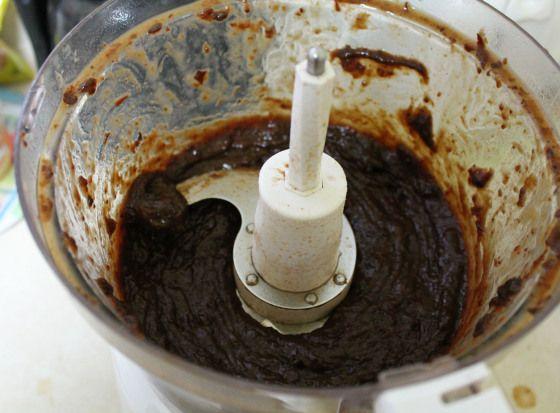
Cover the saucepan with a tight-fitting lid and simmer over low heat for ninety minutes to allow the berries to gradually warm up. Then carefully remove the berries and transfer them to a blender. Return the mixture to the saucepan and return to the heat until it boils. Once boiling, you can pour the hot puree into sterilized jars, seal with sterilized lids, and store it after it cools.
Storage
The shelf life of a canned product may vary depending on:
- selected recipe;
- quality of the selected berries;
- the presence or absence of a cellar;
- compliance or violation of storage rules.
Although canned fruit and berry purees are less sensitive than meat or fish, they can still spoil. The level of sterilization of the product itself, as well as the containers and lids it will be stored in, plays a significant role.
If the lid of a can bulges during storage, this is a sure sign that the product should not be consumed under any circumstances. This could indicate the development of botulism bacteria, which can be fatal if consumed.
It's best to store puree and other preserves in a cellar, where the temperature is lower, which will extend their shelf life. However, canned jars can also be stored indoors, away from heating appliances and direct sunlight. When using puree, remember that plums in any form have a laxative effect.
Related posts:
 12 simple recipes for making pear puree at home for the winter
 8 Best Step-by-Step Recipes for Making Peach Puree for the Winter
 Description of 36 of the best sweet and large varieties of gooseberries
 Recipes for making apple puree with condensed milk "Nezhenka" for the winter
 Recipes for making apricot puree for the winter with and without sugar, with the addition of apples
 21 Easy Homemade Applesauce Recipes for Winter
 How to make gooseberry jelly for the winter at home: simple recipes
 Beginner's Guide to Growing Grapes in Open Ground in Central Russia
Take a look Also
