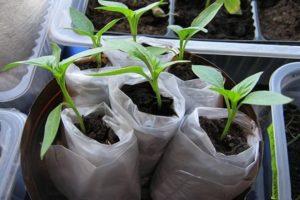
- What determines the germination rate of tomato seeds?
- Why is it necessary to check seeds before planting?
- Features of pre-planting calibration and processing
- Quality factors and testing deadlines
- Methods for testing seed material
- The first method
- The second method
- Reasons for poor seed germination
- How to speed up germination and increase seed viability
- Why don't seeds that have been tested for germination germinate?
Preparations for the gardening season begin several months before planting. Experienced gardeners sow tomato seedlings based on the variety, growing conditions, and harvest expectations. Most gardeners planting tomatoes in their gardens face the question of how to test the seeds' germination.
What determines the germination rate of tomato seeds?
Germination is the ability of seeds to germinate under given conditions. This indicator determines the future harvest and its quality. Germination is expressed as a numerical value, which is the number of sprouts that emerge and their percentage of the initial number..
Many further processes depend on this ability:
- timing of planting seedlings;
- time and materials spent on care.
Germination may vary depending on:
- expiration date and shelf life of seeds (different types of crops have different shelf life periods, which is often ignored by sellers);
- storage conditions (if there is high humidity or low temperature, the planting material may become unsuitable);
- germination rates, which may vary among many crops.
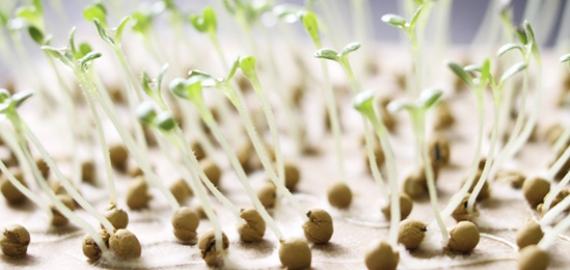
A high germination rate of seed material is considered to be between 95 and 97%.
Why is it necessary to check seeds before planting?
Checking the material for sowing is necessary as a way to save time and effort on caring for non-viable material.
In addition, this procedure allows for planning the future harvest and planning the organization of the area for crops in advance.
Features of pre-planting calibration and processing
Before planting, the seedlings are checked using a quality selection method. The first step is sorting the material. Salt solutions containing table salt are used for calibration. A 3% solution is poured into a jar, the seeds are added, and the solution is left for 10 minutes. Damaged and empty seeds float to the surface, while firm seeds capable of germinating remain at the bottom.

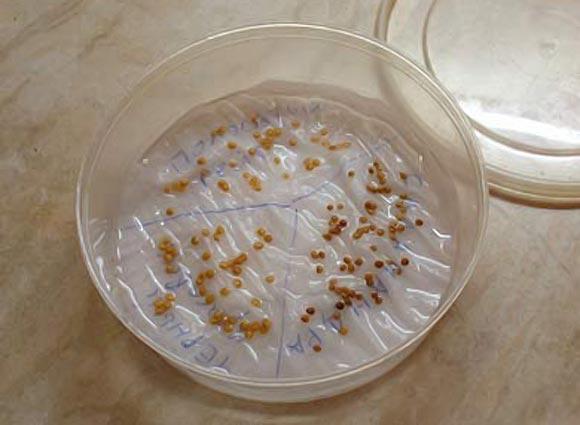
After calibration, the next stage begins, which includes additional processing to improve performance:
- Disinfection of calibrated grains is carried out using dry or liquid chemicals.
- Thermal treatment is a suitable disinfection option: the material is heated using a special temperature regime.
- To enrich the plants with nutrients, they are soaked in prepared solutions.
Quality factors and testing deadlines
The germination of planting material depends on several characteristics:
- appearance (this factor can be used to judge the integrity, absence or presence of damage);
- seed health (it often happens that the material is taken from an unhealthy plant, which leads to a decrease in the germination rate);
- germination energy (this is a special term used by gardeners to indicate the speed and quality of germination).
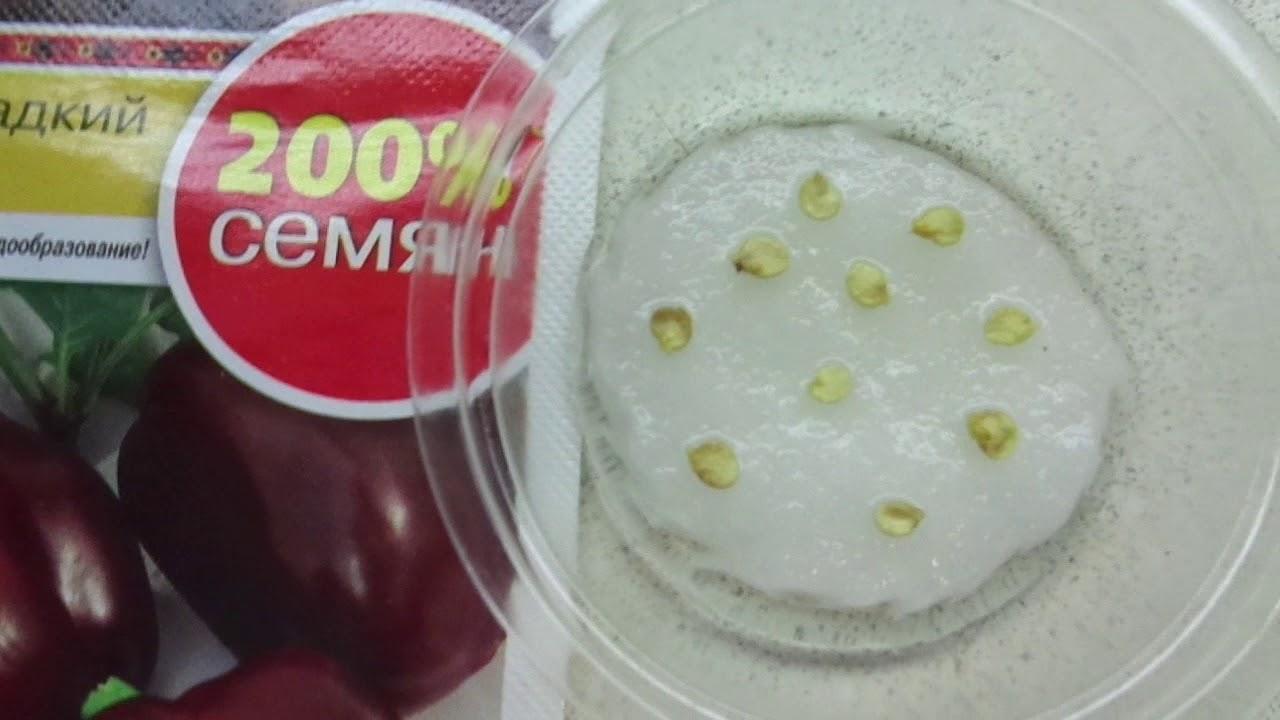
Tomato seed germination times can vary depending on the variety, growing conditions, and sowing depth. The average germination period is considered to be 1 to 2 days.
Methods for testing seed material
To determine tomato germination rates, traditional methods are commonly used. These procedures begin after calibration.
The first method
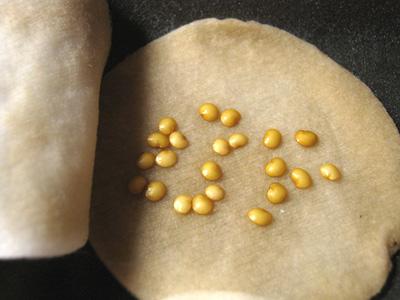
To determine which seeds meet the required criteria, germinate them after soaking. Place a layer of damp cloth on the bottom of a flat saucer, spread out the calibrated seeds, and cover with a second layer of cloth. Place the saucer in a dark room where the temperature remains at 24°C (75°F).
The second method
Another planting option for germination is the "roll" method. Long, narrow strips of damp paper are placed on pieces of plastic wrap, the planting material is placed on top, covered with a second layer of paper, and rolled up. These "rolls" are placed vertically in a container filled with 1-2 centimeters of water.
Reasons for poor seed germination
Despite your best efforts, germination rates may be low. To be prepared, it's important to analyze risk factors and eliminate them from your preparation plan. Germination rates can be affected by:
- low quality of planting material;
- exceeding the time of use of solutions containing chemicals;
- failure to comply with temperature regulations, temperature drops or temperature fluctuations;
- lack of moisture for germination.
How to speed up germination and increase seed viability
Soaking is especially important for tomato seeds. Gardeners claim that soaking accelerates growth and improves germination.
Tomatoes are a heat-loving crop, so the soaking procedure requires special requirements:
- Temperature limits: from +22 to +25 degrees.
- Use of prepared water: melted, magnetized, settled.
- The maximum germination period for tomatoes is 1.5 days.
- Creating a greenhouse effect to prevent evaporation: using glass or polyethylene.
- Ventilate the seeds every 4 hours to prevent oxidation.
Many gardeners consider hardening off the tomato plants to be an important step in preparing them for planting. Hardening off the plants is especially important if they will be planted in harsh climates with poorly fertile soil.
Information! Properly conducted hardening off has a positive effect on planting material and increases the germination rate.
Why don't seeds that have been tested for germination germinate?
The main signs of errors made during seed calibration are considered to be:
- poorly moistened soil (the plantings did not have enough moisture);
- waterlogged soil (plantings have rotted);
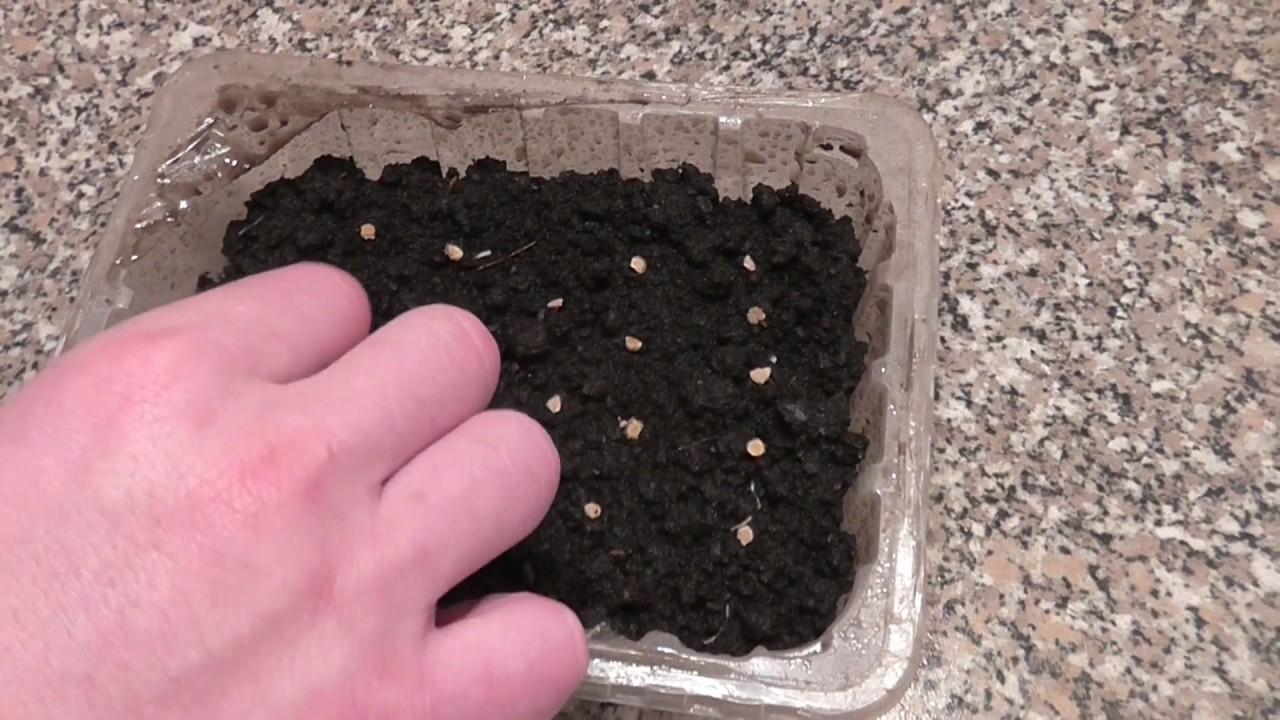
- deep planting (tomato seeds are sown no deeper than 1 centimeter, otherwise they may become moldy and lose their ability to germinate).
Constant monitoring of seeds allows you to correct some errors at the initial stage.
Related posts:
 How to quickly test cucumber seeds for germination in water, sawdust, and a paper roll
 Is it possible to soak treated cucumber seeds before planting and how to do it correctly?
 What is the shelf life of tomato seeds and how long do they remain viable?
 How to prepare tomato seeds for planting seedlings
 How to properly plant peas in a greenhouse and open ground
 How many days after sowing do tomato seeds germinate? Germination time and conditions
 Why cucumbers don't sprout in greenhouses and open ground, and what to do
 Carrot care guidelines for outdoor cultivation to ensure a good harvest