
At what depth should tomato seeds be planted to ensure strong and healthy seedlings, even at the early stages of growth? After all, the yield and marketable quality of the fruit depend on this depth. Gardeners have long noticed that planting seeds at a certain depth can yield more delicious and attractive tomatoes in the summer. Incorrectly choosing this depth can sometimes result in seedlings failing to emerge at all or producing a meager harvest.
How deep should tomato seeds be sown to ensure seedlings emerge?
Once you've selected a container and prepared the soil mixture for sowing tomato seeds, begin making furrows or holes using a marker, the back of a teaspoon, or other available tools. The average depth of such a hole is 1 cm.
The furrow depth is determined by the individual characteristics of the particular tomato variety. Small-fruited and low-growing varieties (such as cherry tomatoes) are sown at a depth of 0.8 cm, while taller tomatoes are sown at a depth of 1.5 cm. If there's any doubt about the variety of the chosen cultivar, make a 1 cm beard. This depth is universal and allows you to grow healthy, high-quality tomato seedlings.
Consequences of improper planting of tomato seeds
Incorrectly planting tomatoes at the wrong depth negatively impacts plant development and the future harvest. According to gardeners, the most common mistakes are:
- planting too deep;
- planting tomatoes close to the soil surface.
In the first case, the risk of seed rot and slow germination increases. Even if seedlings emerge, the tomatoes will develop poorly and will not produce a good harvest. Furthermore, the seedlings may lack the strength to break through the thick layer of soil. Delayed germination means that the seedlings do not have time to reach the desired size by the time they are planted in the garden. As a result, all stages of the growing season are delayed, and the harvest is late.
If seeds are sown close to the soil surface, germination occurs more quickly, but the tomatoes' root system develops poorly. This can be corrected by transplanting the tomatoes, burying the stems deeper.
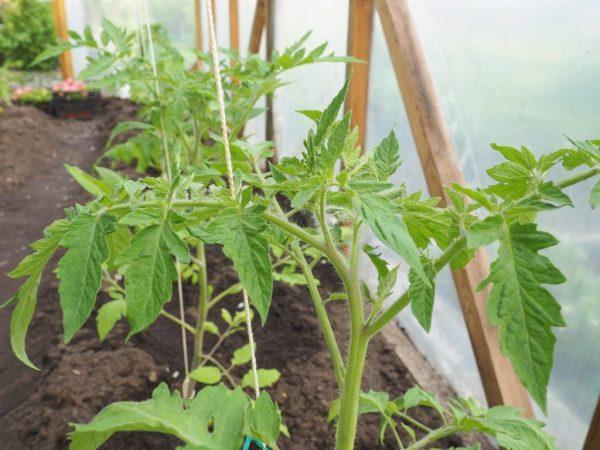
At what depth should seeds be planted if they need to be planted in the ground?
Sometimes seeds are sown directly into the beds. In this case, no more than two seeds are sown per square centimeter. The planting depth depends not only on the variety but also on the coarseness of the seed and whether growth inhibitors are used. Typically, the depth is no less than 0.5 cm and no more than 1 cm. If the seed has already sprouted, the hole is dug based on the rootlet's height.

If seeds are sown close to the soil surface, they may become exposed during irrigation and not be incorporated into the soil. Immediately add about 1.5 cm of soil, and instead of standard watering, use a spray bottle.
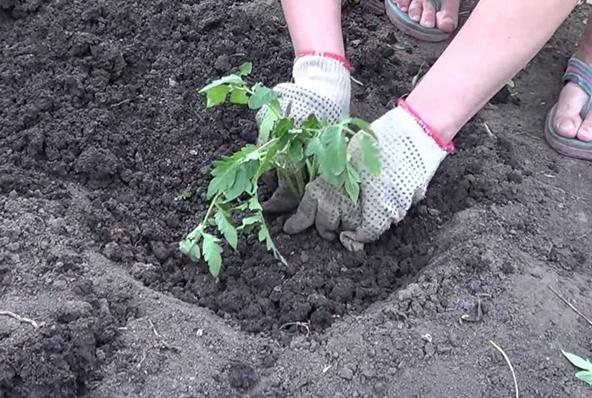
How deep should tomato seedlings be planted?
Ready-to-plant seedlings also need to be planted at a specific depth to ensure they develop properly and produce abundant, high-quality harvests. This depends not only on the condition of the tomatoes themselves but also on the soil they are planted in. It is taken into account that after watering the soil will settle a little, and a small depression will form around the tomato, in which the water will be retained.
Planting depth of overgrown seedlings
Planting overgrown seedlings is no easy task. Tomatoes are quite fragile plants, so it's important not to damage the stems during the process. The depth of the planting trench is about 10 cm. Fertilizer and any humus are added to the trench and mixed with the soil. The prepared holes are filled with water and left until completely absorbed.
Remove the lower leaves from the seedlings and place them horizontally in the hole, covering them with soil and leaving no more than 30 cm of the top. Leave at least 20 cm between adjacent tomato plants. The above-ground portion of the plant is tied to stakes and secured in a vertical position.
With this planting method, even overgrown tomatoes develop a strong root system and produce a good harvest. At first, avoid loosening the soil to avoid damaging the roots located close to the surface. If the planting depth does not exceed 15 cm, the tomatoes will come into contact with microorganisms that actively feed the root system. This rule also applies to tomatoes grown in low-light conditions and those with very thin stems.
Take a look Also
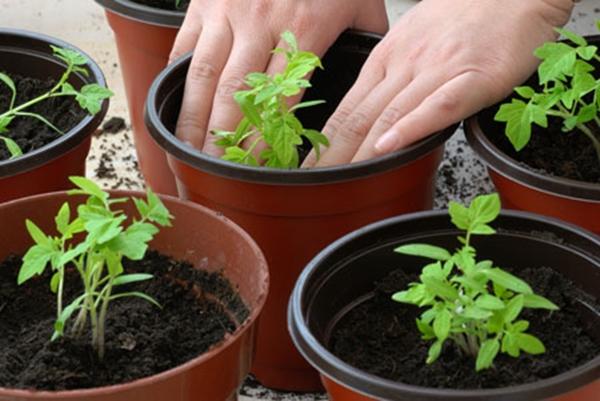
Depth dependence on soil
Soil quality directly influences how deep tomatoes should be planted. In rocky soil, plants are planted deeper than usual because the soil will be well-drained and allow water to penetrate deeper.
Dense and loamy soils don't drain well. If you plant tomatoes too deep, they won't receive the necessary moisture and nutrients and will soon die. A disadvantage of light, sandy soils is that the topsoil is quickly blown away or washed away by precipitation. To prevent the tomato plants from becoming exposed to the roots, they should be planted deeper than usual in such areas.
If tomatoes were planted too deep, don't rake the soil out of the hole or remove any excess soil. The stem will soon rebuild, and the lateral buds will produce additional roots that provide the plant with nutrients. However, if the soil cover is disturbed, the roots will be damaged, and the tomato plant will slow in growth and development.
Related posts:
 What is the best way to feed tomato seedlings to make them plump?
 How to prepare tomato seeds for planting seedlings
 What is the best way to mulch tomatoes in open ground and greenhouses?
 What fertilizers and when to use for feeding tomatoes in a greenhouse
 Description and characteristics of the best indeterminate tomato varieties for greenhouses
 Description of the best tomato varieties for pickling and canning
 Technology for growing tomatoes in buckets in open ground and greenhouses
 What varieties of tomatoes are best to plant in a polycarbonate greenhouse?