
The Alhambra f1 tomato belongs to a group of hybrid varieties with large fruits. This variety can be grown in open ground and greenhouses. Trial plantings of this tomato were conducted in 2005-2006 in fields in Russia, Belarus, and Ukraine. The hybrid performed well when grown in greenhouses with small-scale hydroponics. High yields of Alhambra have been recorded when this hybrid was grown in a second crop.
Characteristics of the variety
The characteristics and description of the Alhambra tomato are as follows:
- The hybrid begins to bear fruit 110-115 days after sowing the seedlings.
- Tomatoes of this species have a generative type of development.
- The first inflorescence on the bush appears above the 9th or 10th leaf, with subsequent specimens developing every 3rd leaf. The inflorescences themselves (they are medium-sized) have a simple structure and do not form so-called folds.
- The clusters are formed on the initial five inflorescences. The first inflorescence produces four fruits, and subsequent ovaries are left with no more than five. Therefore, each inflorescence produces four to six tomato plants with a uniform structure and nearly equal weight.
- The average fruit weight reaches 0.15-0.18 kg, but during the summer and autumn turnover, gardeners receive tomatoes weighing from 0.16 to 0.2 kg.
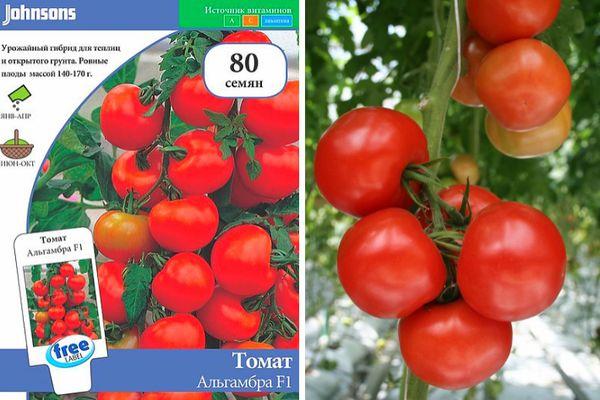
- The fruit is spherical, flattened at the top and bottom. Inside the fruit are 4 or 5 seed chambers. The tomatoes are smooth with shiny skin. Unripe tomatoes are light green in color, but without a spot in the stem area. Ripe fruits are red.
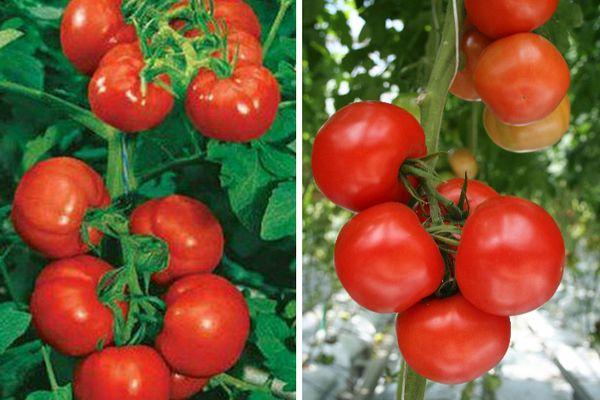
Feedback from farmers growing this variety indicates the potential for a long harvest of 50-54 kg of fruit per square meter of garden bed. Most often, gardeners obtain an average of 15 kg of fruit per square meter during the first harvest, and during the second harvest, the average yield ranges from 12 to 17 kg of tomatoes per square meter.
Gardeners note the hybrid's resistance to diseases such as cladosporiosis, tobacco mosaic virus, and fusarium. The Alhambra variety is also resistant to blossom-end rot.
The fruits appear on all the bushes almost simultaneously, making harvesting easier. They are attractive and quite firm. Consumers note the tomatoes' pleasant flavor. Because they are resistant to cracking and retain their marketable appearance for 20-30 days, Alhambra tomatoes are a popular choice among retailers. Alhambra tomatoes can be transported over long distances.

How to grow this variety in your garden?
Seeds are purchased from specialized brand stores or seed farms. They are processed using the standard method of potassium permanganate or aloe juice. This will protect plants from viral and fungal infections and strengthen their immunity.
The seeds are sown in boxes filled with tomato soil, after adding manure or peat. The seeds are covered with soil, and then the box is covered with plastic.
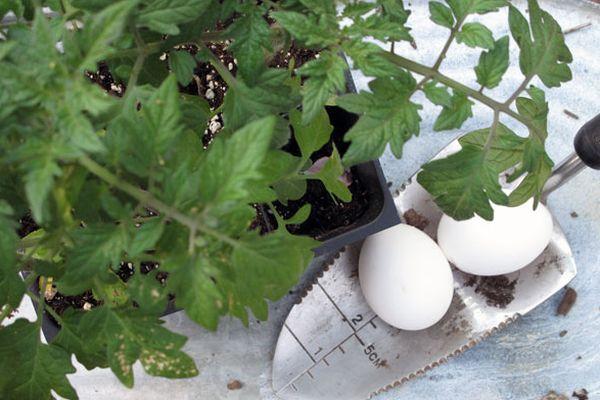
They need to be watered regularly. The room temperature should be maintained between 15 and 20°C. The first shoots will appear in 1–2 weeks.
After sprouts emerge, they are pricked out when they have 2-3 leaves. After this, when the sprouts reach 8-10 cm in height, they should be transplanted into individual pots. The room temperature is reduced to 14-15°C. Before transferring the seedlings to their permanent soil, they are hardened off using the standard method.

Seedlings are planted indoors from early April to May. They should be fed with liquid fertilizer every 14 days after fruit development.
Seedlings are planted in individual pots or boxes in the greenhouse. On average, 2-3 plants should be planted per square meter. Once the bushes produce 4 to 6 inflorescences, it is recommended to regularly pinch off the side shoots and tops of the plants. Water the bushes regularly, mound them, and remove weeds.
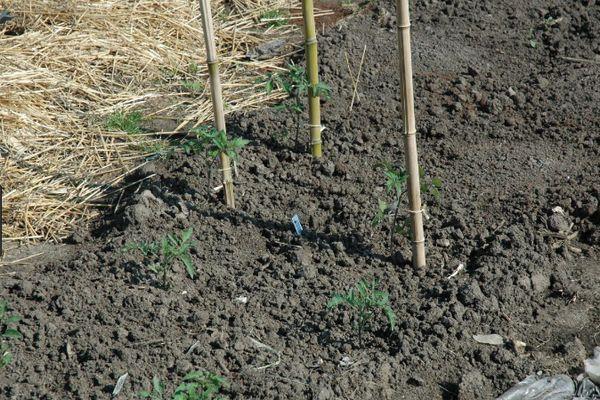
To prevent the branches from breaking under the weight of the fruit, it is recommended to secure them with supports. When sown in a greenhouse, Alhambra can be harvested from June to mid-October. If planted outdoors, the first fruits are harvested in late August.
Related posts:
 80 Best Eggplant Varieties for Different Regions with Descriptions and Characteristics
 Description of the best varieties of black tomatoes for open ground and greenhouses
 50 Best Pumpkin Varieties with Descriptions and Characteristics for Outdoor Planting
 Description of the Krasotka grape variety, planting and care technology
 Description and cultivation of the Korinka Russian grape variety
 Description of the hybrid tomato variety Favorite and growing the plant on a plot
 Description of the Russian tomato Caramel F1, cultivation on the plot and varieties of the variety
 The best eggplant varieties for growing in a polycarbonate greenhouse: planting and care
