
The "Miracle of Altaya" tomato was developed by agrobiologists last century as a variety capable of abundant and long-lasting fruiting in the harsh climate of Siberia. Its fruits are distinguished by their flavor and versatile use. The plant is included in the State Register of Breeding Achievements.
Advantages of the variety
The description of the Chudo Altaya variety indicates that these tomatoes can be grown in greenhouses and open ground. This tomato has a mid-season ripening period, with the first harvest occurring 90 days after germination.
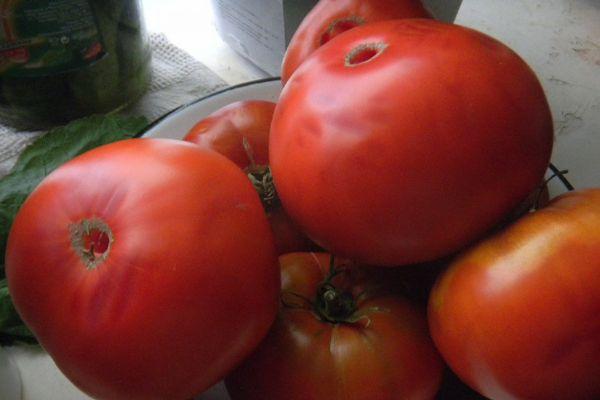
The variety's characteristics and description classify this tomato as an indeterminate plant, characterized by continuous growth of the main stem. During the growing season, the bushes reach a height of 130–160 cm. These robust bushes are distinguished by sturdy stems and emerald-green foliage.
Description of fruits:
- The variety is adapted to low temperatures and retains the ability to set fruit under extreme conditions.
- 3-5 tomatoes ripen in strong brushes.
- Unripe fruits are characterized by a small dark spot near the stalk, which disappears as they ripen.
- The tomatoes are an intense red colour, have an oval, slightly elongated shape, and tender and juicy flesh.
- The fruits are sweet in taste with a barely noticeable sourness.
- When cut horizontally, 5-7 chambers with seeds are observed.

The first ripe tomatoes are large, weighing up to 300–350 g. Higher yields are observed during the second wave of ripening, but the average weight of tomatoes decreases to 150–200 g.
This variety is characterized by a long fruiting period and a full yield per bush. Reviews from vegetable growers indicate high yields. When grown in greenhouses, 10-15 kg of tomatoes are harvested per square meter (4 kg per bush).
Yields in open ground vary slightly, but under favorable conditions can match those of greenhouse cultivation. Tomatoes are used in fresh salads and as an ingredient in various dishes.

This large-fruited variety, with the resonant name "Altai Miracle," is distinguished by its elongated, pear-like fruit. The tomatoes weigh up to 300 g, and during the growing season, the bush grows to a height of 1.2 m.
Agricultural technology of cultivation
Cultivation of this variety requires adherence to generally accepted rules. In March, seeds treated with an aqueous solution of hydrogen peroxide or potassium permanganate are placed on the soil surface.
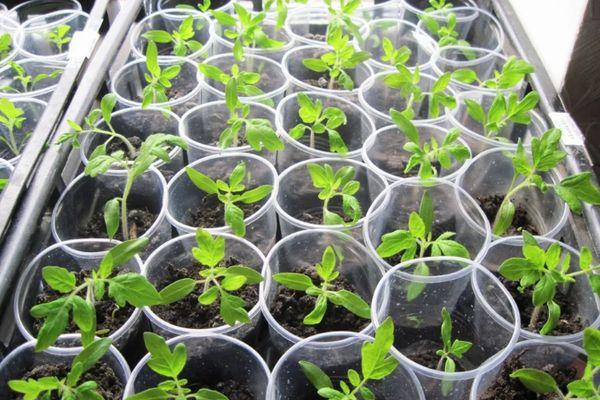
The top of the seedlings is mulched with a 1 cm thick layer of peat. The container with the seed is watered with warm water using a sieve or sprayer, covered with film and placed in a warm place.
To ensure uniform germination, the crop is provided with adequate heat and light. After germination, the film is removed, and the seedlings are placed in a location with maximum sunlight.
For 5-7 days after the sprouts appear, it is important to maintain the temperature at +15…+16 ºC, and then increase it to +20…+22 ºC. This event ensures the development of a strong plant.
When 1-2 true leaves have formed, transplanting is performed. Ready seedlings, 60-65 days old, with 6-7 true leaves and 1 true flower stalk, are transplanted to their permanent location.
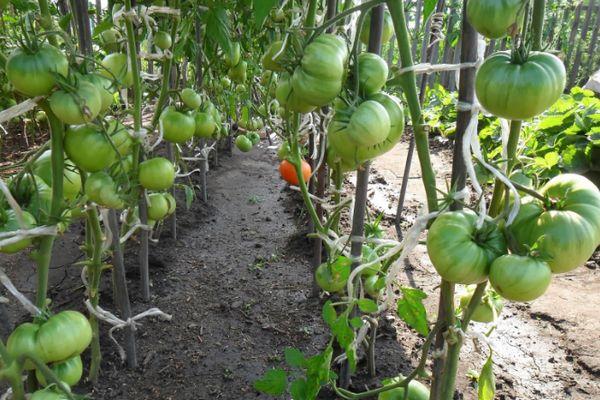
It is recommended to plant 3-4 bushes per square meter. During bush formation, it is necessary to tie the stems to the support in a timely manner, remove excess shoots, and ensure adequate airflow.
Cultivation includes applying mineral fertilizers, hilling, and loosening the soil. To ensure even moisture distribution and control weeds, the soil is mulched with grass, leaves, and non-woven black fiber.
Preventive measures to combat biological pests and diseases of nightshade crops include treating bushes with special preparations.
Related posts:
 What is the best way to feed tomato seedlings to make them plump?
 The best eggplant varieties for growing in a polycarbonate greenhouse: planting and care
 The best and most productive tomato varieties for greenhouse cultivation in the Urals, with descriptions
 80 Best Eggplant Varieties for Different Regions with Descriptions and Characteristics
 What varieties of tomatoes are best to plant in a polycarbonate greenhouse?
 Description of the best varieties of black tomatoes for open ground and greenhouses
 Description of the best tomato varieties for open ground and greenhouses in the Krasnodar region
 Description and characteristics of the best indeterminate tomato varieties for greenhouses

My tomatoes grow quite large, although I only use BioGrowThis bioactivator is inexpensive and works wonderfully, one of the best remedies.