The Irma tomato is designed for outdoor cultivation. The aromatic fruits of this early-ripening variety have excellent flavor and are used fresh and for canning.
Advantages of the variety
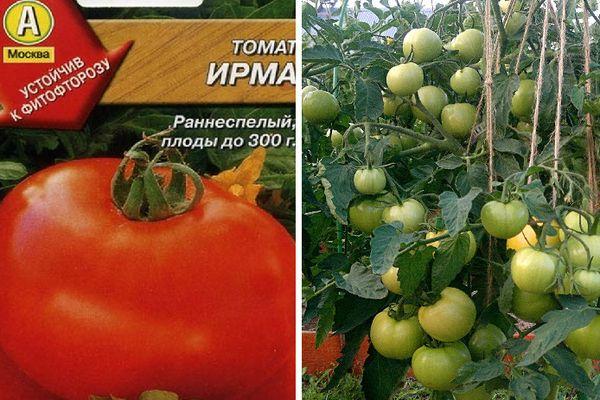
Among the crops intended for outdoor cultivation, the Irma tomato variety is characterized by its early harvest and resistance to late blight. It grows to a height of 60 cm.
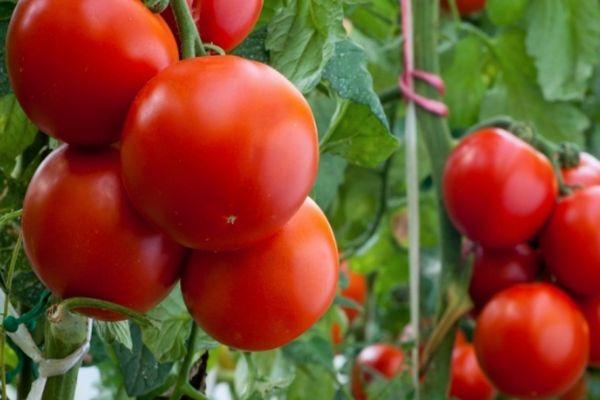
The first fruits are harvested 100 days after germination. Flower stalks form after two leaves. This compact plant is planted at a rate of 6 bushes per square meter.
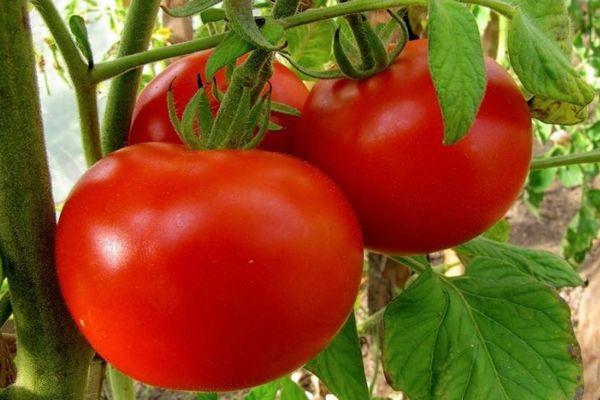
The tomatoes weigh 300 grams, have firm skin, and no green mark near the stem. They are resistant to cracking and retain their flavor for a long time after harvest.
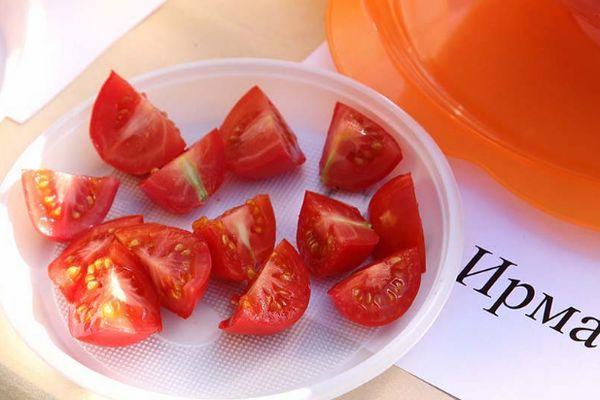
A horizontal cut of a ripe fruit reveals chambers containing a small number of seeds. The sweet and sour fruits are used fresh as a salad ingredient. Tomatoes are also used for canning and vegetable preserves.
The advantage of this variety is the rapid ripening of the fruits.
The plant thrives under temporary shelter. In cool greenhouses, the bush becomes elongated, and the fruits become small.
Cultivation techniques
The Irma tomato requires regular application of complex fertilizers during cultivation. Growing instructions call for sowing the seeds for seedlings in mid-March.
After seedlings emerge, the plants should be illuminated with a lamp, extending daylight hours to 16 hours. Tomatoes are pricked out when two true leaves have formed. It is recommended to plant outdoors after the spring frost period has passed.
For the first three days after transplanting, plants should be covered with non-woven material. To increase crop yields, mulch the soil with mown, withered grass or dark fiber.
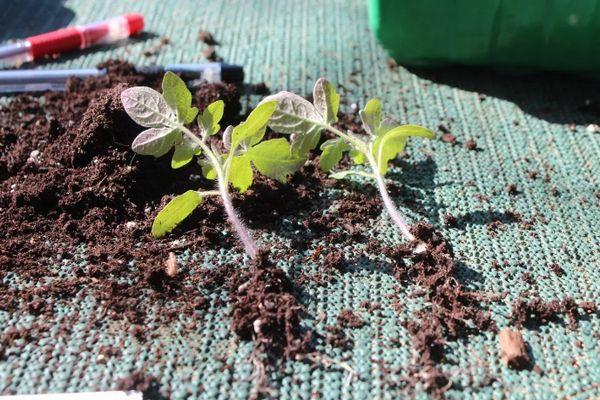
The variety's characteristics and description indicate the plant's resistance to pathogens. Nightshade bushes are treated against pests using folk remedies or insecticides.
The plant forms a strong stem and doesn't require staking. However, tomato plants tend to become overloaded, and when the yield is high, they fall over onto the beds. Mulching the soil helps preserve the harvest.

The Irma variety does not tolerate excess moisture and heat, and is sensitive to temperature fluctuations and lack of light.
Opinions and recommendations of vegetable growers
Those who have planted the Irma tomato variety note the excellent taste of its large fruits, which can be eaten fresh or canned. Reviews from gardeners also point to the plant's resistance to disease.
Petr Kozlovsky, 53 years old, Astrakhan:
"I planted Irma tomatoes last season. They're very easy to care for. The key is to sow the seedlings on time and maintain a consistent watering schedule. Avoid overwatering the soil, as this reduces the yield and quality of the fruit. The fragrant fruit sinks to the ground under its weight. I didn't use any staking, but instead laid a layer of grass under each bush. This both protects against weeds and helps balance the moisture."
Evgeniya Potapova, 57 years old, Adler:
"My neighbors recommended Irma tomatoes. I grew the seedlings myself, pre-treating them with a potassium permanganate solution. This resulted in uniform emergence of the loops. The plant requires pruning. No additional stem shaping is necessary during the growing season. The stem is stable, but tends to deform under the weight of the tomatoes. To protect the fruit from soil contamination, I mulch the soil with a special material. The fruits are tasty, aromatic, and store well thanks to their thick skin."
Related posts:
 Description and characteristics of the Irma strawberry variety, planting and care nuances
 The best grape varieties for growing in the Urals, planting and care rules in summer
 80 Best Eggplant Varieties for Different Regions with Descriptions and Characteristics
 The best eggplant varieties for growing in a polycarbonate greenhouse: planting and care
 Descriptions of the 20 best cherry varieties for the Moscow region, their planting and care
 What varieties of tomatoes are best to plant in a polycarbonate greenhouse?
 Description and characteristics of the 27 best plum varieties for the Urals, planting and care
 How to propagate and grow peas, cultivation technology, and care in open ground