- Characteristics and description of the Evpator F1 tomato
- Productivity and fruiting
- Resistance to diseases and pests
- Suitable region and climate
- Characteristics of bushes
- Characteristics of vegetables
- History of selection
- Advantages and disadvantages of the variety
- Instructions for planting tomatoes
- When to plant?
- Selection and preparation of seeds
- Planting seeds
- Growing seedlings
- Transplantation into open ground
- How to care for it properly?
- Top dressing
- Pinching out stepsons
- Watering
- Pest and disease control
- Collection and storage
- Reviews of Evpator tomatoes
Among the wide variety of tomato cultivars, there are several hybrids. One popular option is the Evpator tomato. This variety is prized for its high yield and ease of care.
Characteristics and description of the Evpator F1 tomato
The hybrid variety Evpator F1 has a number of distinctive qualities. When planning to plant this variety, it's recommended to familiarize yourself with its key characteristics beforehand.
Productivity and fruiting
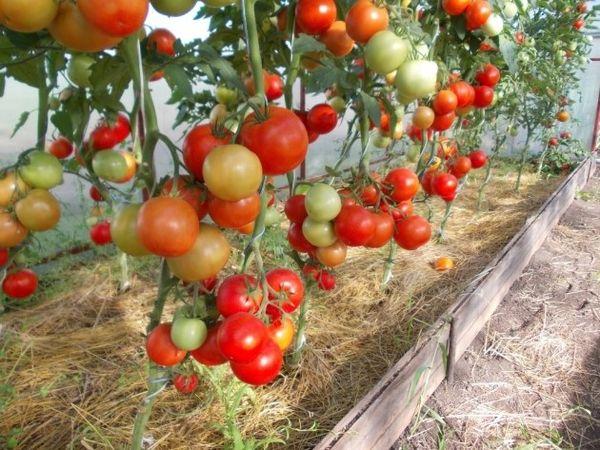
The popularity of the variety is due to the possibility of obtaining a harvest on an industrial scale. With proper care, you can harvest up to 40 kg per square meter of land. Fruiting begins 100-110 days after planting the seedlings.
Resistance to diseases and pests
Evpator F1 is highly resistant to pests and common diseases. In unfavorable climates and adverse environmental conditions, there is a risk of phoma infection.
Suitable region and climate
Tomatoes are intended for planting in greenhouse conditions, so cultivation is permitted in almost all regions of the country.
The variety demonstrates good yield indicators both in the southern and northern regions.
Characteristics of bushes
Spreading, large bushes reach a height of 1.4-1.8 m. Standard-type plants are classified as indeterminate.
Characteristics of vegetables
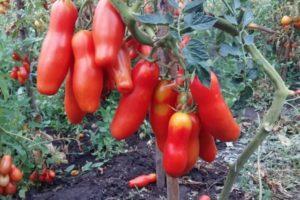
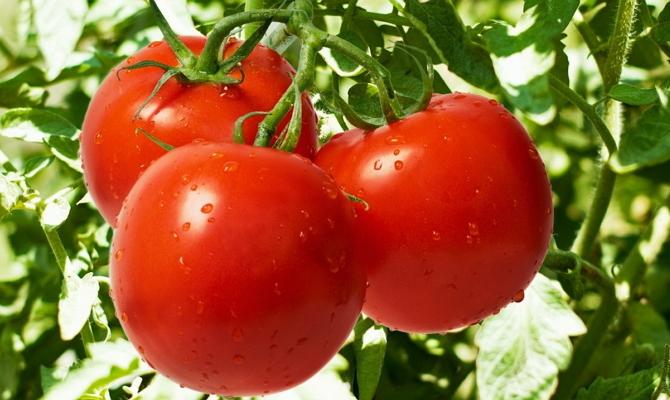
Ripe fruits acquire a red hue and a slightly elongated, rounded shape. The average weight of the fruit is 130-170 g. The skin is smooth and even. The number of internal chambers varies from 4 to 6.

History of selection
The variety was developed by Russian breeders. Evpator F1 was officially added to the State Register in 2008.
Advantages and disadvantages of the variety
Tomatoes have many beneficial properties. Key benefits include:
- high and stable yield;
- resistance to infections;
- high taste characteristics;
- friendly ripening of vegetables in a short period.
A small drawback is the need to trim growing branches and secure the bushes.
Instructions for planting tomatoes
To ensure your bushes consistently bear large fruit, it's important to follow several planting guidelines. The seedlings must be pre-treated, then favorable conditions for the seedlings' development must be created, and they must be transplanted into open soil in a timely manner.
When to plant?
Seedlings are sown from the second half to the end of March. Early sowing ensures the seeds have time to germinate before they are transferred to the greenhouse.
Selection and preparation of seeds
After purchasing seeds, it's recommended to visually inspect them to remove any damaged ones. The selected seeds are soaked in a potassium permanganate solution, using 1 g of the solution per cup of liquid. Simply place them in a cloth bag and soak them in the solution for 15-20 minutes, then rinse with water. The material is processed for disinfection, disease prevention, and enrichment with nutrients.
Planting seeds
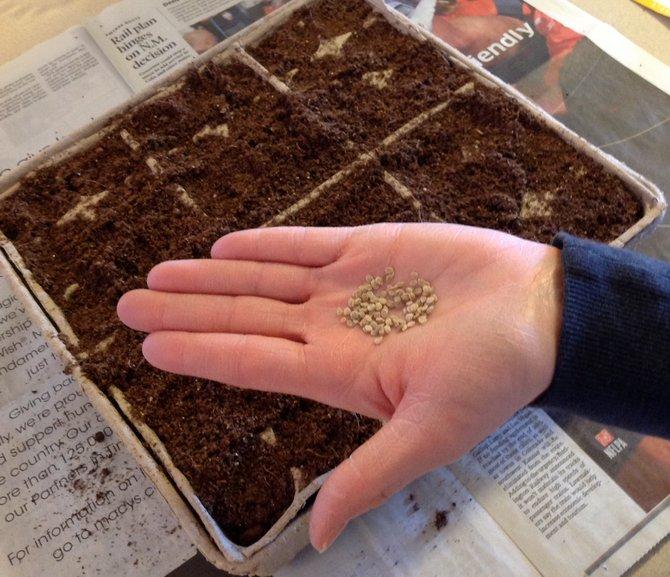
Fill a seedling container with fertile soil and place tomato seeds on the surface. Cover the seeds with a layer of soil about 1 cm thick. For germination, the ambient temperature must be between 25-30 degrees Celsius, so it's recommended to keep the seedling containers near a heat source. Cover the seedlings with plastic film or glass to create a greenhouse effect.
Growing seedlings
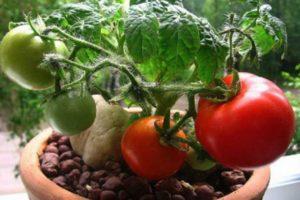
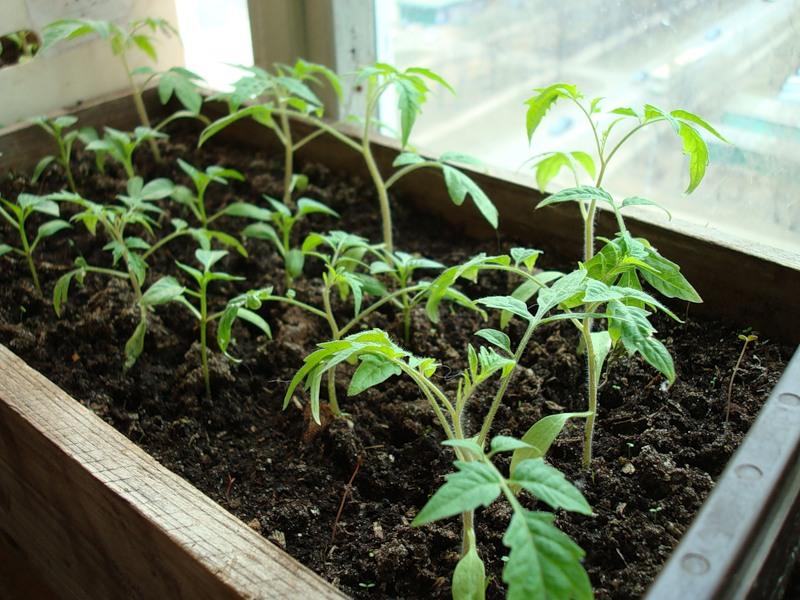
While growing seedlings, it's important to regularly check the soil. If the soil dries out, spray it generously with a spray bottle. If it's too wet, simply remove the plastic wrap and let it dry naturally. If mold has formed on the soil where the seedlings are growing, carefully remove the infected layer and treat it with an antifungal agent.
Transplantation into open ground
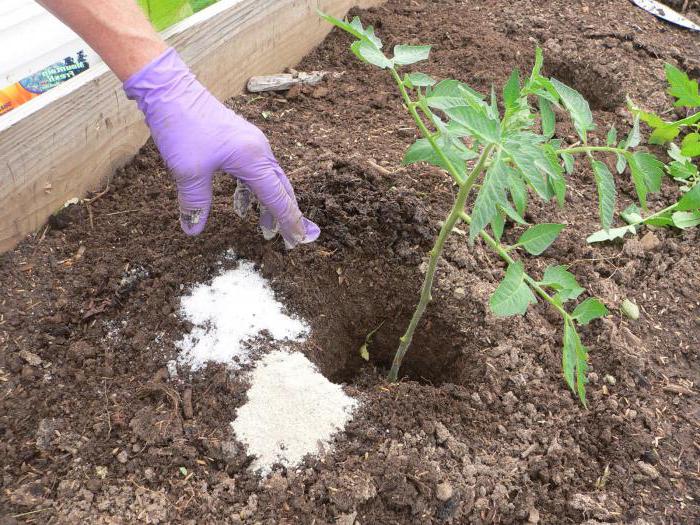
40-45 days after sowing, the seedlings are transplanted into open ground. To do this, dig shallow holes in the prepared area and place one seedling in each.
How to care for it properly?
Seedlings transplanted to a permanent location require regular care. When growing the hybrid variety Evpator F1, standard care is sufficient, including watering, fertilizing, bush training, and protective treatments.
Top dressing
Fertilize tomatoes 5-10 days after planting, during the active flowering period, and a week before the planned harvest. Phosphorus-potassium and nitrogen fertilizers are suitable for the Evpator F1 variety.
Pinching out stepsons
The Evpator F1 variety has highly branched and spreading bushes, so they need to be trained to allow sunlight to reach the fruit. Overgrown side shoots should be removed regularly. The tomato is trained into a single stem. The top of the plant can be pruned, but this will prevent the stem from becoming too elongated and branching.
Watering
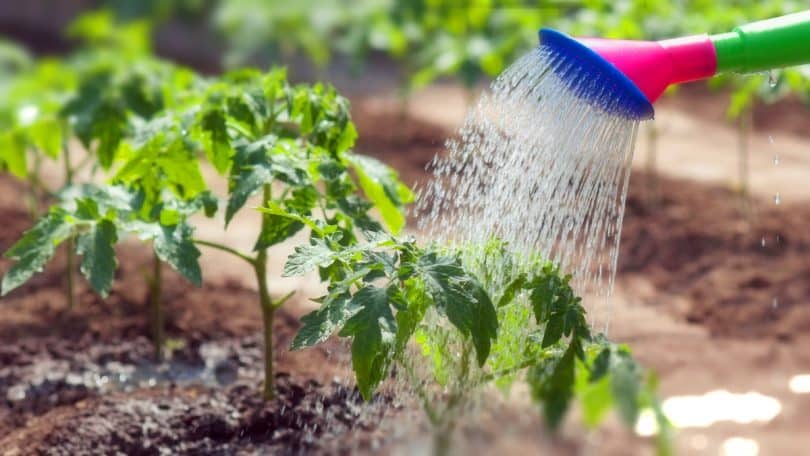
Moisten the soil as it dries. Avoid overwatering, as stagnant moisture can cause root rot.
Pest and disease control
If pests or signs of disease are detected, spraying with protective agents is necessary. Insecticides and fungicides designed for vegetable crops are used.
Collection and storage
Ripe tomatoes can be harvested until the first frost. During harvesting, inspect the fruits to remove any damaged ones. Store tomatoes in the refrigerator or in a cool, dark place with low humidity.
Reviews of Evpator tomatoes
Nadezhda: "I managed to get several dozen kilograms of harvest from just a couple of bushes. This is my first time planting Evpator F1 and I'm very pleased."
Vasily: "I read the recommendations of those who had planted this variety and planted it in a greenhouse. The fruit grew juicy and I encountered no problems."
Related posts:
 The best grape varieties for growing in the Urals, planting and care rules in summer
 How to propagate and grow peas, cultivation technology, and care in open ground
 80 Best Eggplant Varieties for Different Regions with Descriptions and Characteristics
 How to plant grapes step by step, with a description of the process and care
 How to properly plant peas in a greenhouse and open ground
 Description of the 30 best plum varieties for the Moscow region, planting and care
 What varieties of tomatoes are best to plant in a polycarbonate greenhouse?
 Growing and caring for almonds, planting and pruning rules at home
Take a look Also