
By growing the Giant tomato, a gardener can provide their family with delicious fresh salads and preserves for the winter. The size of the fruit is a particular delight: one tomato is enough to make a salad for the whole family. But to grow such a harvest, the plant must be properly cared for.
General characteristics of the variety
Giant tomatoes come in two varieties: raspberry and black. The descriptions of the varieties are identical except for the fruit color. Giant tomatoes are determinate plants; they self-top, stopping growth after producing 4-7 fruit clusters. Despite this, the tomato plants are vigorous and quite tall: in greenhouses, they can reach over 1.8 m in height, and in open ground, up to 1.5 m.
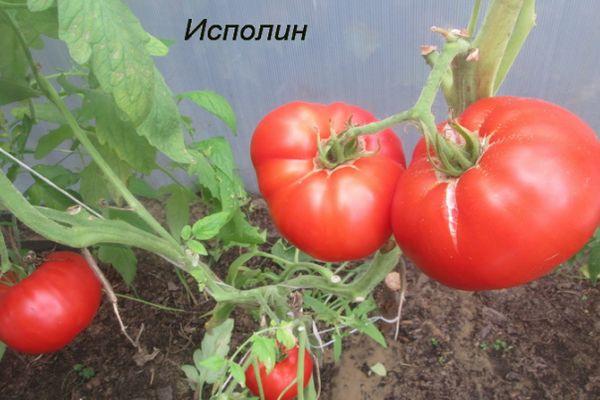
Tomatoes need to be tied to a support and trained to prevent numerous side shoots. It's recommended to train the large-fruited Ispolin tomato variety in 2-3 trunks to increase the yield per plant. With properly trained stems, gardeners can achieve larger fruits, which begin to ripen around mid-July (110 days after sowing).
Tomatoes have a long fruiting period, with ovaries forming over the course of 2-3 months. Some fruits can be harvested at the blanched or milky stage if they don't ripen in time before the onset of cold weather. By storing these tomatoes in boxes, gardeners can enjoy fresh produce until late autumn.
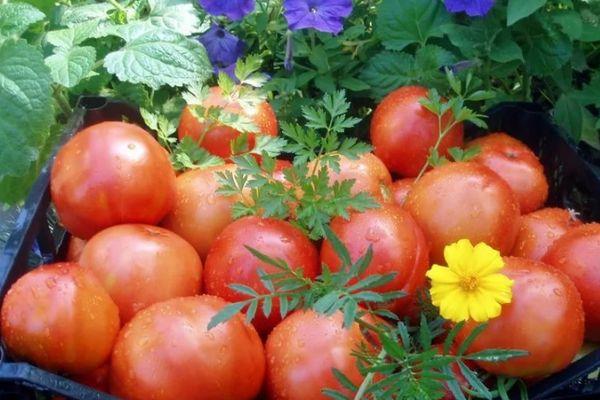
Reviews from gardeners who have planted giant tomatoes in their plots indicate that they don't tolerate low temperatures well and experience reduced yields during cold seasons. In regions with risky farming, it's best to grow large-fruited giant tomatoes in a greenhouse. This will allow the tomatoes to ripen well and achieve the desired sugar content.
The variety's downside is its susceptibility to disease. The Raspberry Giant tomato is easily affected by brown spot. When grown in a greenhouse, the infection can be controlled by ventilating the room and avoiding overwatering.
In open ground, it can be affected by late blight, which requires special treatment with fungicides. The Black Giant tomato is relatively resistant to both diseases.

Both black and red varieties can be affected by blossom-end rot. This problem often occurs when growing any large tomato variety if the soil lacks calcium. To prevent crop loss, it's important to prepare the soil for planting Giant tomatoes.
Features of giant fruits
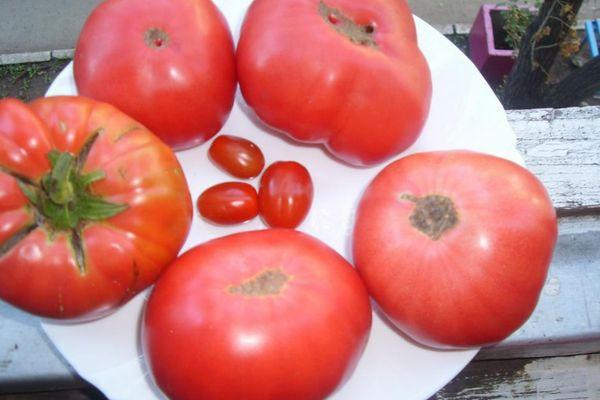
Giant tomatoes form clusters containing 3-5 ovaries of varying sizes. The average berry weight is around 300-500 g, but some plants can produce very large tomatoes weighing up to 700 g. The average yield per bush is 8-10 kg.
The fruit is flattened and rounded, with distinct ribbing at the base. The ovaries, developing from the double flowers, often have a complex shape with folds and protruding parts. These tomatoes are best eaten rather than used for seed production.
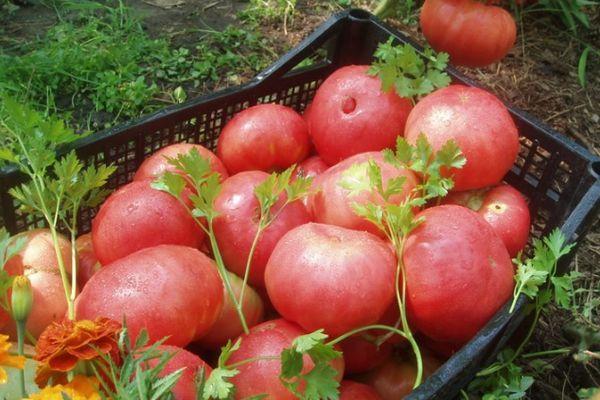
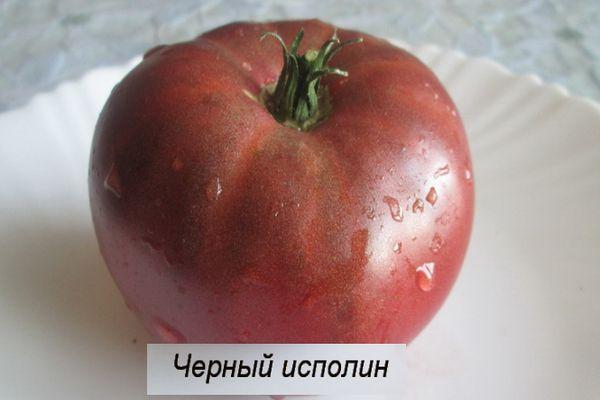
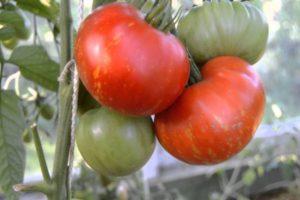
Tomato skin is soft, yet quite durable. It doesn't burst when the tomato is ripening and holds up well during transportation and storage. The skin's color varies depending on the variety:
- The Giant Raspberry tomato has a pink color of varying intensity, without green areas;
- The black giant got its name from its dark brown color, sometimes with green on the shoulders.
At technical maturity, the fruits are similar and have a light green hue with a blurred dark spot near the stalk.
The flesh coloration across varieties is almost uniform, a rich pinkish-red hue, often with a brighter area in the core than the edges. Like any beefsteak tomato, the seed chambers are small and contain almost no seeds.
The fruit's texture is fleshy, juicy, and soft, reminiscent of a ripe melon. The flavor is sweet without being sour, with a distinct tomato aroma. Gardeners rate the Ispolin tomato's flavor qualities, based on its characteristics and variety description, at 5 out of 5.
Tomatoes are primarily used fresh. They're an excellent salad vegetable, with a beautiful cut and a pleasant flavor. They're perfect for festive slicing or as a light appetizer, on sandwiches, or on hamburgers. Tomato slices are great for baked tomato dishes.

Processing surplus produce is limited by the size of giant tomatoes. Even small tomatoes are difficult to can, but they are suitable for barrel pickling. For this purpose, choose smaller, slightly underripe, firm tomatoes. Juicing allows you to preserve overripe tomatoes.
The resulting pulp is quite thick, with minimal moisture, so it can be quickly brought to the desired consistency, and with a brief boil, almost all the vitamins are preserved. Besides juice, tomato pulp is used to make a filling for tomato preserves, lecho sauce, and various ketchups.
How to Grow Large Tomatoes
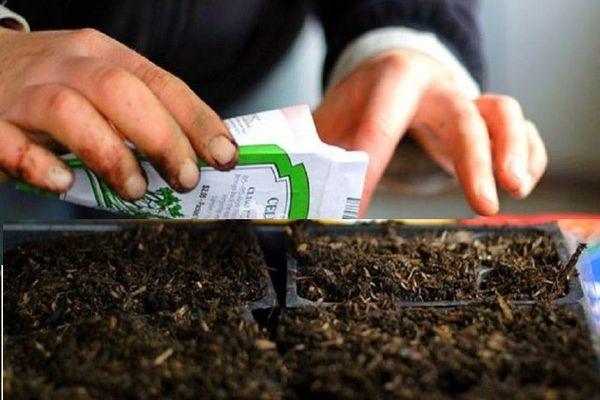
Seedlings should be sown no earlier than 60-70 days before planting, otherwise the seedlings will become elongated and weakened. Sowing and growing seedlings follows the general principles, with seedlings being pricked out when they have 2-3 leaves. If the tomatoes are to be grown in a greenhouse, they should be planted in beds in mid-May. For open ground in central Russia, the best time to plant is early June.
To ensure giant tomatoes grow, gardeners who have grown these varieties recommend preparing the plot in advance. When digging in the fall, add well-rotted manure or compost at a rate of 1 bucket per 1 m², and add chalk or dolomite flour (1 kg/m²) to the soil. To provide tomatoes with phosphorus and potassium, add mineral mixtures containing these elements.
If the plot hasn't been prepared, the bushes will need to be fed throughout the growing season to produce large fruits. Giant tomatoes are sensitive to nutrient deficiencies, and gardeners won't get the full benefit of their efforts if the plants lack minerals.
Top dressing is carried out as follows:
- One week after transplanting, nitrogen fertilizers or rotted organic matter are added to the bed under the bushes (0.5 liters of solution for each).
- When the first flower cluster appears, apply phosphorus-potassium mixtures at a rate of 1 liter per plant.
- After 2 weeks, repeat the potassium and phosphorus fertilization.
To prevent the bushes from growing green mass and accumulating nitrates in the fruit, nitrogen mixtures and organic matter are not used during fruiting.
Related posts:
 Description and characteristics of the Ispolin raspberry variety, planting and care
 Instructions for use of Ispolin and the composition of the fertilizer, its pros and cons
 The best eggplant varieties for growing in a polycarbonate greenhouse: planting and care
 Description of the best varieties of black tomatoes for open ground and greenhouses
 80 Best Eggplant Varieties for Different Regions with Descriptions and Characteristics
 Methods for planting and propagating cherries at home
 The best grape varieties for growing in the Urals, planting and care rules in summer
 The health benefits and harms of cherries, rules of consumption, and their effects on the body