
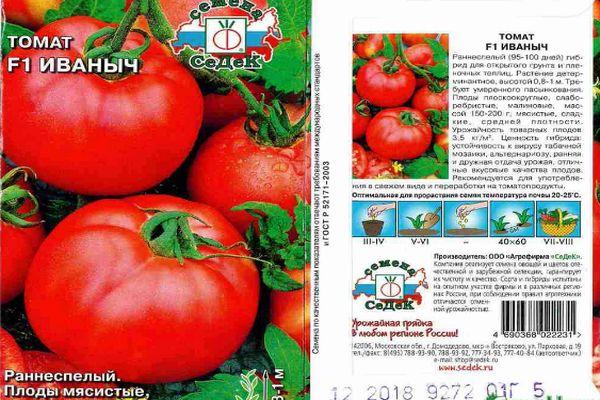
The Ivanych f1 tomato tolerates temperature fluctuations well and is resistant to diseases and infections. According to reviews, this variety is characterized by high yields and excellent fruit quality. Ivanych tomatoes are easy to transport and store, and are low-maintenance. Gardeners often plant seedlings of this variety in their gardens to enjoy fresh tomatoes, juice, and salads all season long.
Description of the Ivanovich tomato
This variety is suitable for both open ground and greenhouse cultivation. The bushes grow small, quite strong, and productive. This variety of tomato is versatile, as it can be used for pickling, canning, and producing tomato juice, which produces a very thick juice rich in vitamins, microelements, and organic compounds.
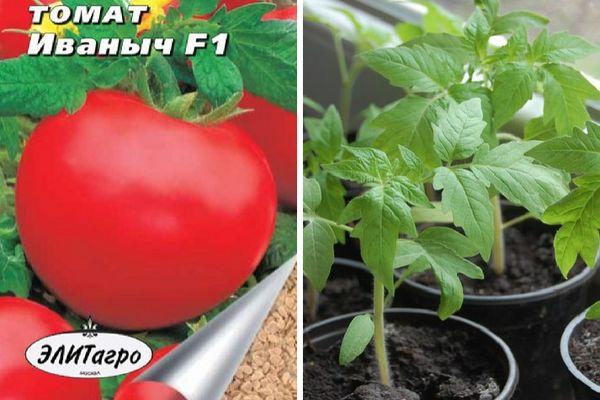
The characteristics and description of the variety are as follows:
- Tomato Ivanovich belongs to the first generation of hybrid varieties;
- belongs to the mid-early group: if you plant the seeds in the ground, and then transfer the seedlings to a greenhouse or to the beds, then in just 3 months you can get the first fruits;
- determinate bushes, reaching a height of 60-70 cm (this is the maximum height);
- there are not many leaves on the plants;
- the bush forms clusters containing 5-6 tomatoes;
- According to gardeners, 12-18 kg of Ivanych f1 tomatoes can be harvested from 1 m²;
- The number of tomatoes harvested depends on care: feeding, regular watering, and fertilization.
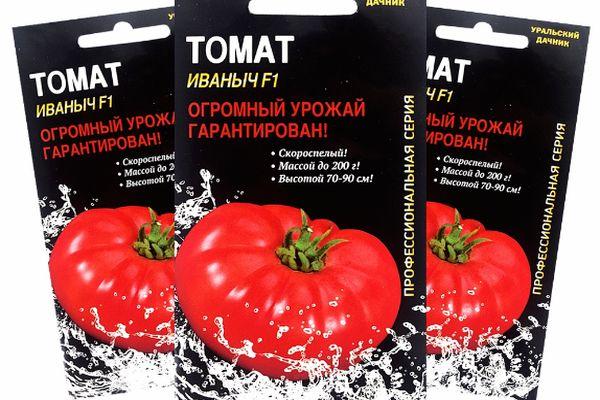
Photos of Ivanych tomatoes show that the fruits are quite large, with an average weight of 200 g. Other notable characteristics of these tomatoes include:
- round or round-flat shape;
- there is a slight ribbing that is located near the stalk;
- the structure is dense;
- the skin that covers the fruit is glossy, elastic and thin;
- The pulp is juicy, not watery, there are few seeds.
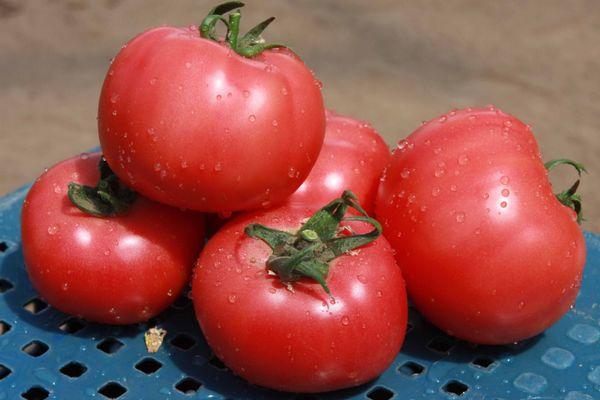
Ivanych tomatoes are distinguished by a sugary, slightly tart-sweet flavor and a pleasant aroma. The fruits change color as they ripen: first, they turn pale, then green, and gradually acquire a rich pinkish-red hue.
How are tomatoes grown?
The yield depends on the region in which the variety, developed by Siberian scientists, was planted. Tomatoes can be grown in regions with unfavorable conditions. For example, with a short summer followed by sudden heat or cold.
Gardeners who have grown Ivanych f1 tomatoes have left positive reviews. They recommend sowing tomatoes for seedlings around March 15th-20th or early April. However, this timeframe is not suitable for gardeners who want to plant the seedlings in a greenhouse. In this case, it is recommended to sow the seeds in the ground in early March. The soil for this variety is made from sand, peat, and sod.
Before planting, soak the seeds in a special growth stimulant for 10-12 hours. Ivanovich tomato seedlings should be planted in containers, burying the seeds 2 cm deep in the soil. Afterwards, lightly mist the soil with warm water and cover with plastic wrap.
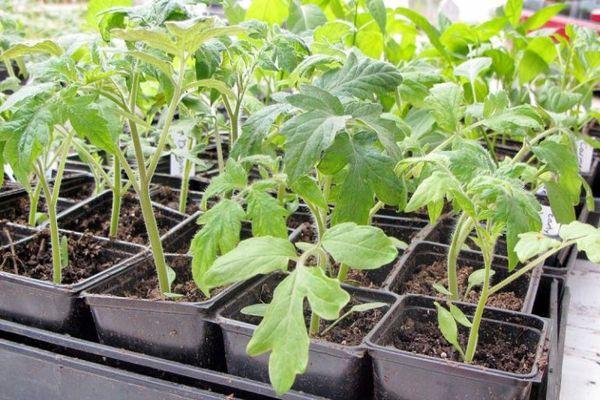
The pots should be placed in a warm place until the first shoots appear. Once the sprouts emerge, place the containers on a windowsill or under fluorescent lights. Water the plants once every 5 days.
Gardeners advise planting in the ground—either in a greenhouse or outdoors—only after the leaves have been pricked out. Wood ash or phosphate should be added to the holes. After the bushes have been planted, there is no need to tie them up, but only feed and water them once every 6 days. Mineral fertilizers should be used as fertilizers.
Reviews from gardeners
Svetlana Andreevna, 53 years old, Krasnoyarsk:
"I used to grow different varieties of tomatoes in my garden. Last year, on a friend's advice, I planted Ivanych tomatoes. I planted all the plants using seedlings. After planting them in the ground, we eagerly awaited the first harvest. The yield exceeded all our expectations! The fruits tasted excellent."

Vasily Andreevich, 65 years old, Kemerovo:
"A neighbor at my dacha recommended planting the Ivanych tomato. I gave it a try. The care is simple and standard. The tomatoes have tolerated the temperature fluctuations well. The yield is good."
Related posts:
 Description of the best varieties of black tomatoes for open ground and greenhouses
 What varieties of tomatoes are best to plant in a polycarbonate greenhouse?
 Rules for growing tomatoes in open ground, choosing a variety, planting and care
 Growing cherry tomatoes in a greenhouse and open ground, when to plant seedlings
 What fertilizers and when to use for feeding tomatoes in a greenhouse
 Description of the best tomato varieties for pickling and canning
 Growing and caring for tomatoes in a greenhouse from planting to harvest
 The best tomato varieties for growing in the Leningrad region for greenhouses and open ground