
The Izyuminka tomato, the characteristics and description of which are provided below, is a compact plant suitable for growing in Russia. The Izyuminka tomato has excellent flavor and is resistant to various garden pests and diseases. Photos of this variety's fruits can be found in various agricultural reference books. This variety was developed by breeders specifically for Russian farmers and gardeners. Izyuminka tomatoes can be grown in high-risk farming zones.
Brief information about the variety
Tomatoes of the described type have the following qualities:
- Tomatoes produce a good harvest both in greenhouses and in open ground;
- maturation from seedling to fruit continues for 80-84 days;
- the average height of an adult plant reaches 0.45-0.5 m;
- The raisin loves warmth, so it is recommended to sow the tomato on the sunny side in the southern regions of Russia, and in the central zone and Siberia it is necessary to use greenhouses;
- These tomatoes practically do not tolerate frost, so they quickly die from sudden temperature changes;
- This variety can be stored for a long time and transported over long distances.
The yield of these tomatoes in open ground in the southern regions reaches 9 kg per square meter. In central Russia, the same area yields up to 6-7 kg of fruit. In greenhouses in the Far North and Siberia, the yield ranges from 5 to 8 kg per square meter. Fruits appear almost simultaneously, and the bush stops growing after several clusters of tomatoes have appeared.
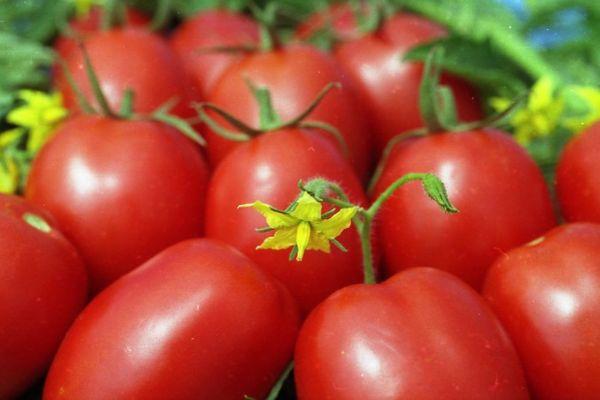
The yield from a single bush can reach 4.5-5 kg, but this can only be achieved with proper cultivation practices. The average fruit weight is 45-50 g. A ripe tomato can be seen in a photo in any agricultural catalog. The fruits are smooth and pink. The tomato has four chambers inside.
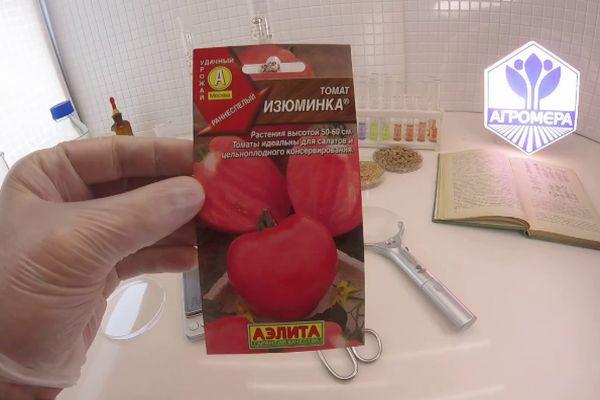
Reviews of Izyuminka tomatoes are generally positive, as the plants have good disease resistance and are easy to transport. However, farmers who grow these tomatoes also note the variety's drawbacks, such as the need for staking and proper training.
Take a look Also
Without these conditions, it's impossible to achieve the desired yield because the bush may not be able to support the weight of the growing fruit and break off before the tomatoes are ripe. Those who have planted the tomato point out another drawback of the Izyuminka variety: it's unsuitable for making tomato paste and juice.
How to grow Izuminka tomatoes?
To grow fruit, this tomato variety is planted using seedlings. To ensure proper germination, the soil must be prepared. This can be done using a mixture of soil or turf with humus, mixed with river sand, previously washed under running water.
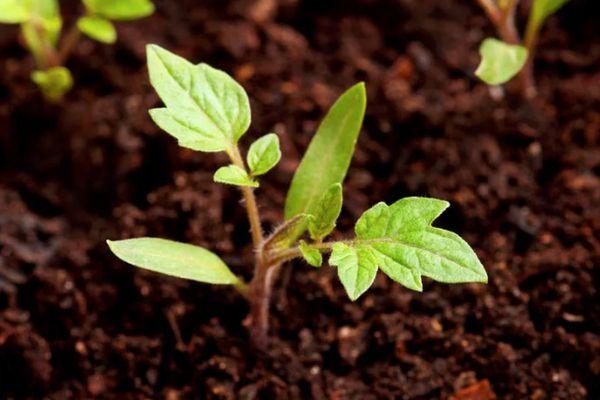
Before planting, seeds should be treated with a potassium permanganate solution, and the soil should be baked in an oven. After the seedlings sprout, they are hardened off by maintaining a regular fertilizing regimen and watering them throughout their growth.
Seeds are planted to produce seedlings in March. This is best done in the second ten days of the month, as any cold snap, even a short one, will destroy all the seedlings.
The seedlings are transplanted into the soil after 1.5–2 months. It is recommended to make holes in the beds. Add mineral fertilizer (such as superphosphate) to the holes, plant the seedlings, and then water them thoroughly with warm water. If superphosphate is unavailable, potassium phosphate, eggshells, or wood ash can be used.
It's recommended to loosen and mulch the soil regularly, once every ten days. Weed the beds once a week. Fertilize the bushes with mineral fertilizers approximately three or four times throughout the season.

Disease prevention and protection against garden pests are carried out using Fitosporin and special liquids for destroying insects.
After the ovaries appear, the plants are treated with decoctions of natural ingredients or herbal infusions. These treatments are performed once every 6-7 days.
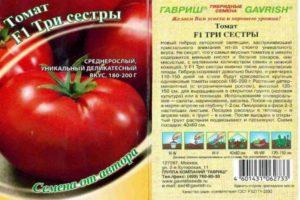
To harvest, the bushes must be trained to contain 1-2 stems. To ensure proper fruit production, the bushes must be tied up at the right time. This will ensure the berries grow and ripen almost simultaneously.
Related posts:
 Characteristics and description of the Izyuminka grape variety, planting and care
 Description of the best varieties of black tomatoes for open ground and greenhouses
 Delicious recipes for canned tomatoes with honey for the winter, preparation steps
 What fertilizers and when to use for feeding tomatoes in a greenhouse
 Rules for growing tomatoes in open ground, choosing a variety, planting and care
 Description of blight-resistant tomato varieties for open ground and greenhouses
 TOP 17 recipes for pickled sweet tomatoes for the winter
 11 Best Recipes for Preserving Tomato Slices for Winter