
The Strawberry tomato is very popular among gardeners looking for an early harvest. It has excellent flavor, is easy to grow and care for, and produces a high yield. Before you begin growing it, it's worth familiarizing yourself with the variety and its care requirements.
The Strawberry variety is divided into two types: orange and red. Yellow-orange tomatoes are considered to have a more intense, sweet flavor and are most often used in salads and sauces. The red variety is more versatile. Its flavor combines spice, sugar, acidity, and light fruitiness. It is this variety that is most often grown by experienced gardeners.
Characteristics of the variety
The Strawberry F1 tomato is an indeterminate variety. A mature plant can reach a height of one and a half meters. The trunk requires additional support, so sturdy stakes should be installed early to allow for tying up the branches later. This variety is suitable for both greenhouse and open ground cultivation. It tolerates minor temperature fluctuations and drought well.
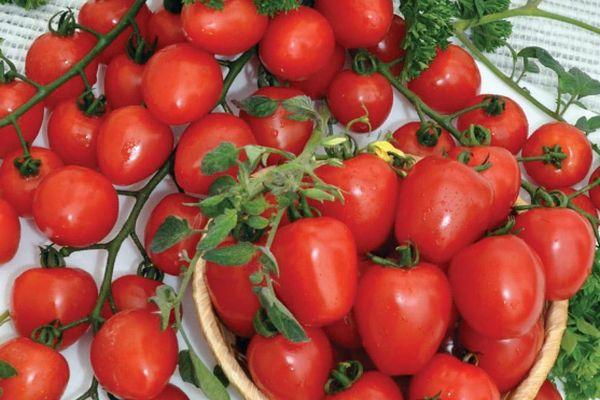
This early-ripening variety allows you to get the first harvest just 85–90 days after sowing the seeds.
Description of fruits:
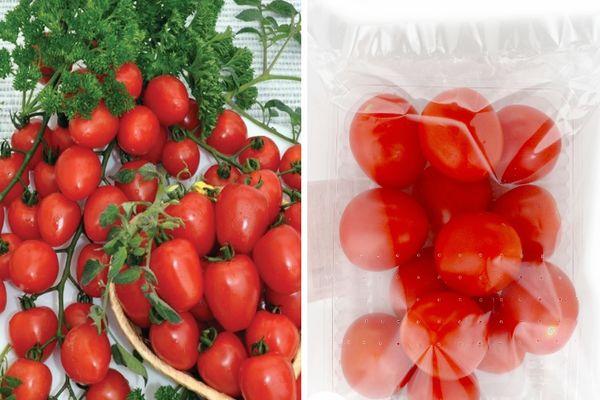
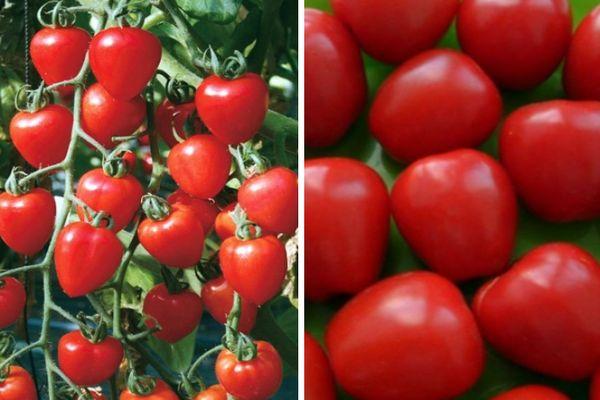
- Ripe fruits have an unusual shape, which externally resembles a strawberry.
- The tomatoes are small in size, on average each fruit weighs from 20 to 50 g.
- Individual specimens can reach even more impressive sizes.
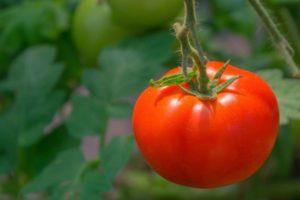
- The color of tomatoes depends on the variety chosen; they can be orange or red.
- Tomatoes have a high yield; 5-7 kg can be harvested from one bush per season.
The taste and aroma of this variety will leave no one indifferent. The fruit's flesh is dense and sugary, with few seeds and a thin, easily peelable skin. The firm tomato is ideal for whole canning. However, these fruits are not ideal for making paste or juice due to their high dry matter content.
Take a look Also
Growing and care
When purchasing Strawberry cherry tomato seeds, carefully read the description and recommendations for sowing and subsequent care of the plant.
Before planting, seeds must be properly prepared. To do this, they are first soaked in a weak solution of potassium permanganate, then in a growth stimulator.
Plant the seeds in a container with pre-prepared soil. You can prepare a special soil mix yourself by mixing soil, peat, and river sand. After planting, store the container in a warm, well-lit area. Water the seedlings carefully to avoid washing the seeds out of the soil. A spray bottle is best for this.
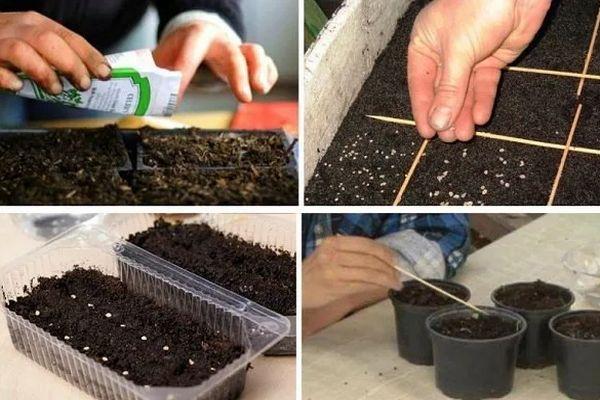
As soon as a couple of green leaves appear on the young strawberry plant, you can begin transplanting. You can transplant the seedlings directly into peat pots. This will simplify and speed up the process of planting outdoors in the spring.
The seeds are sown at the end of March or the beginning of April, and the seedlings are planted in open ground or in a greenhouse in the first half of June.
Like all tomato varieties, the Strawberry tomato prefers fertile soil, so it's important to properly prepare the soil before planting the seedlings. To do this, add humus, wood ash, and a complete fertilizer. Gardeners know that fertilizing the soil in the fall before digging.
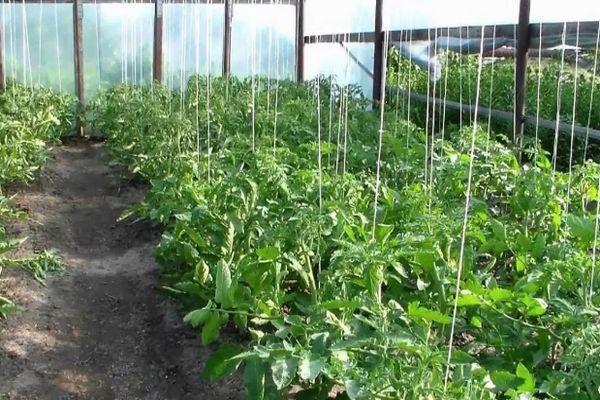
The planting material is planted sparsely, leaving 40 cm between bushes and about 60 cm between rows. Immediately after planting, the strawberry bushes are watered with settled water. The holes are mulched; ordinary sawdust is best for this purpose. Vegetable growers prefer to immediately install supports for subsequent tying.
Caring for tomatoes does not require much effort, as the plant is unpretentious and has good immunity to many diseases.
However, there are still certain requirements for caring for the Strawberry variety:
- Water regularly, but avoid dampness and excess moisture.
- Soil loosening is essential. It should be done 2-3 times a week.
- It is necessary to periodically add complex fertilizers to the soil.
- Gardeners recommend pinching out side shoots and shaping the bush into a single stem.
This variety has received overwhelmingly positive reviews from both experienced gardeners and amateurs. The Strawberry tomato boasts many advantages, including early ripening, high yields, low maintenance, and resistance to many diseases. Its main advantage is its excellent taste. These qualities are what make this variety so popular and sought after.
Related posts:
 Methods for planting and propagating cherries at home
 The best grape varieties for growing in the Urals, planting and care rules in summer
 The best methods for growing grapes from seeds at home
 Conditions for growing mandarin at home and rules for caring for the tree
 Rules for planting and caring for pears in open ground, how to grow them correctly
 Growing and caring for hazelnuts in open ground, rules for planting hazelnuts
 Peach tree care and agricultural secrets, pest control
 Description and cultivation of the 15 best cherry plum varieties for the Moscow region, planting and care rules