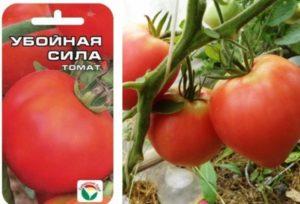
The Fox tomato is included in the State Register of Breeding Achievements. This variety is suitable for both open and protected cultivation. These tomatoes boast excellent flavor and culinary versatility.
Advantages of the variety
Fox tomatoes are characterized by a mid-early ripening period. The variety's characteristics and description indicate that they can be grown under plastic covers and in open ground.

This determinate plant reaches a height of 90-110 cm during the growing season. The bushes have slender stems and large, green leaves. This variety is characterized by a simple inflorescence and an articulated peduncle.
The fruit is oval and elongated, resembling an egg in appearance. When unripe, the tomato is light green, turning a deep orange when ripe.
Tomatoes have a glossy surface and thin skin that is resistant to cracking. The flesh is dense, medium-dense, and has a rich, sweet flavor. When cut horizontally, two to three chambers containing seeds are visible.

Tomatoes contain a large number of vitamins and microelements. The Chanterelle variety is rich in magnesium. The fruits are low in calories, making them suitable for dietary use.
Fruit weight reaches 110-130 g. The yield is 9.1 kg per square meter. Growers of the Fox variety claim that the yield can be increased by training the plant into three stems. To prevent damage and deformation, the bushes are tied to additional support.
This variety boasts a long fruiting period and is resistant to temperature fluctuations. The tomatoes are transportable and store well, maintaining their flavor.

Vegetable growers' reviews attest to the versatile uses of the fruit. In cooking, tomatoes are used for preserving whole fruits and making salads. Dishes with the Fox tomato variety are distinguished by their rich tomato flavor.
Agricultural technology for tomato cultivation
Growing the Fox variety isn't particularly difficult. Its key feature, its adaptability to temperature fluctuations, allows it to be planted in a permanent location regardless of weather conditions.
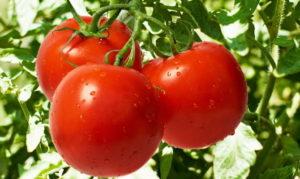

Those who have planted the Fox tomato claim that it's best to sow the seeds for seedlings 55-65 days before the expected planting date. This involves preparing the soil and treating the seeds with an aqueous hydrogen peroxide solution. To boost the plant's immunity, the seeds are also soaked in a growth stimulant.
The seeds are placed in containers filled with substrate to a depth of 1 cm. They are then watered with warm water using a drip method, spraying the moisture evenly, and covered with plastic wrap until sprouts appear.
When two true leaves have formed, transplant the plants into individual peat pots filled with growing medium. This allows the seedlings to be transplanted to their permanent location without damaging their root system.

Before planting, add compost and complex mineral fertilizer to the holes, water, and plant the bushes. Plant care involves regularly hilling the bushes to encourage additional root development.
To maintain moisture balance and allow air to reach the root system, loosen the soil. Regular weeding can prevent fungal diseases.
During the growing season, it is recommended to fertilize with mineral and organic fertilizers. At each stage of plant development, it is necessary to carefully monitor the composition of the mineral nutrition for the crop.

This will ensure normal bush development, fruit set, and ripening. The Fox variety requires the removal of excess shoots to increase yield. Thirty days after planting, remove the lower leaves.
The procedure is carried out carefully, trying not to damage the thin stems. The Fox variety is susceptible to late blight. As a preventative measure, it is recommended to treat the bushes with antifungal agents.
It's important to maintain a regular watering schedule throughout the entire growing season. Mulching is used to maintain a constant moisture level and prevent the topsoil from drying out. Mulch can be made from special black fiber or organic materials (hay, straw, or leaves).
Related posts:
 The best tomato varieties for growing in the Leningrad region for greenhouses and open ground
 The best grape varieties for growing in the Urals, planting and care rules in summer
 Description and characteristics of the 60 best sea buckthorn varieties, how to choose depending on the region
 80 Best Eggplant Varieties for Different Regions with Descriptions and Characteristics
 Descriptions of the 20 best cherry varieties for the Moscow region, their planting and care
 Description of the 90 best varieties of beans for open ground with names
 Description of 30 varieties and types of Muscat grapes, planting, cultivation and care
 Description of the best potato varieties of domestic and foreign selection