
The Moskvich tomato will be a real find for gardeners living in the northern regions of our country. Its undemanding growing conditions, excellent flavor, and high yield make this variety increasingly popular. To ensure a good yield, it's recommended to learn the basic characteristics and rules of tomato cultivation.
Description of the variety
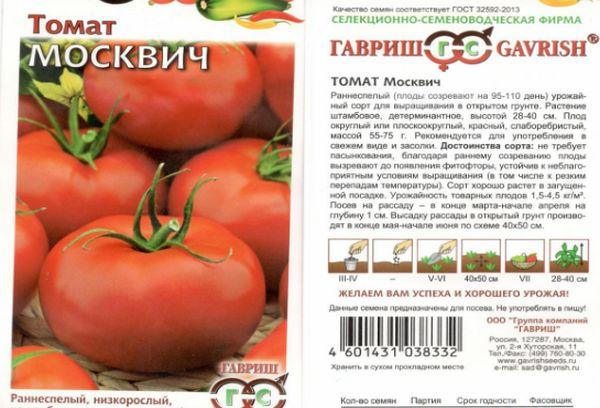
The high-yielding Moskvich tomato variety appeared in the 1970s and is the result of domestic selection. Initially bred for commercial production, the fruit withstands long-distance transportation well and has excellent shelf life and storage qualities. Despite its distinctive name, the plant is best suited for growing in Siberia, the central and northern regions of the country. Cultivation is possible both outdoors and indoors.
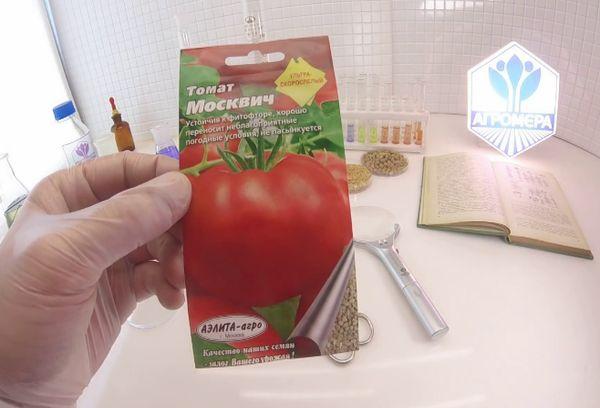
The plant is classified as a determinate plant, resulting in a short, compact growth habit. The average shoot height ranges from 40 to 50 cm. The plant does not require pinching, significantly reducing the time and effort required for care. The leaves on the shoots are small, with a corrugated surface.
The average number of fruits per cluster is 5 to 7. This variety is considered high-yielding. About 7 inflorescences form on the main stem. The first inflorescence is formed by 8 leaves, and the remaining inflorescences are spaced every 2 or 3 leaves. When grown commercially, up to 460 centners of tomatoes are harvested per hectare. The average yield per bush is 1 kg.
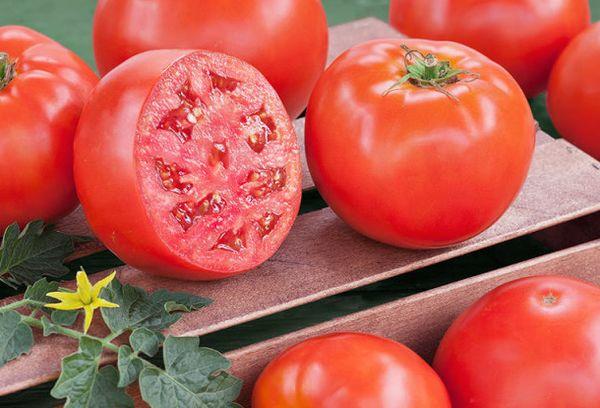
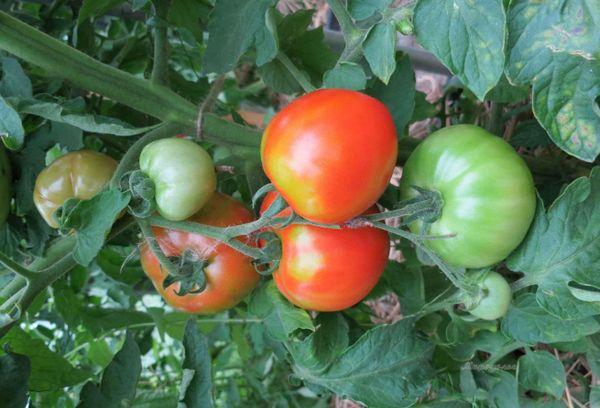
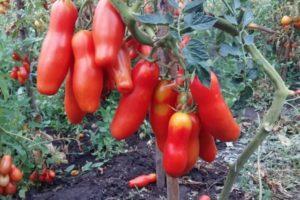
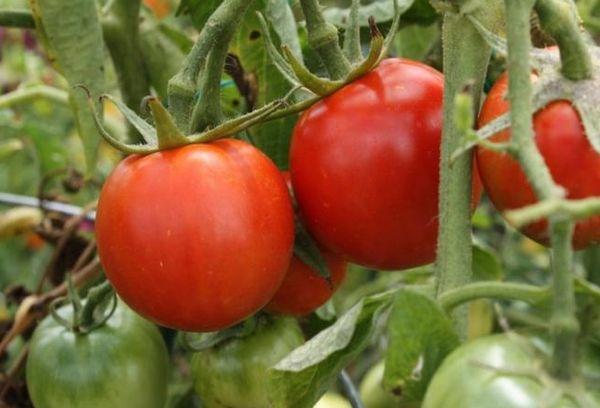
The fruits are medium-sized, weighing between 70 and 80 grams. They are rounded, with slight ribbing around the stem. Unripe Moskvich tomatoes are green with a dark spot around the stem. Ripe tomatoes are a rich, vibrant red. The skin is soft, and the flesh is juicy and fleshy. A distinctive feature is the large number of seeds.
Reviews from gardeners indicate that the fruits have a rich tomato flavor, which is accompanied by sweetness.
Growing
The growing process is carried out using the seedling method. The plant requires fertile soil, which can be found in specialty stores or prepared at home. For the latter, mix the following ingredients in equal proportions:
- peat;
- land;
- humus.
To provide greater nutrition to the soil, it is recommended to add a small amount of wood ash.
Before planting, soak the seeds in a growth stimulant. Sow in a small container at a depth of 1.5 to 2 cm. The distance between the holes should be 4 to 6 cm. Cover the planting area with a small amount of peat moss and moisten with a spray bottle.
Young seedlings require adequate light and watering. Insufficient light causes shoots to thin and become elongated. Pruning is performed after two true leaves have formed. After this, it is recommended to fertilize with a complex fertilizer.
The seedlings are moved to their permanent growing site in late spring, when there is no longer a risk of frost. Before planting, the area is thoroughly dug over, removing at least 35 cm of soil. The soil is treated with a weak solution of potassium permanganate and fertilized. For each square meter of soil, it is recommended to add:
- superphosphate - 60 grams;
- dry bleach - 16 grams;
- Ammonium nitrate ammonium nitrate - 25 grams.
Plant the bushes 25 cm apart, leaving 60 to 7 cm of space between rows. Thoroughly water the soil with warm water before planting, and add additional water after planting.
Care Features
Plant care is standard and doesn't require much time. It involves periodic watering, weeding, and fertilizing. The plants don't require staking; the lower leaves can be removed immediately after planting.
The plant's foliage is minimal, making it easy to care for and suitable for even novice gardeners. Fertilize the soil every two weeks. Water every other day, using only warm water. Failure to follow this rule will result in slower growth and development of tomatoes. The fruits are picked from the bushes as they ripen. Harvesting ends at the end of August.
Advantages and disadvantages
One of the main advantages of the Moskvich variety is its high yield of juicy, delicious fruits. Its adaptability allows it to be grown on a windowsill or balcony.
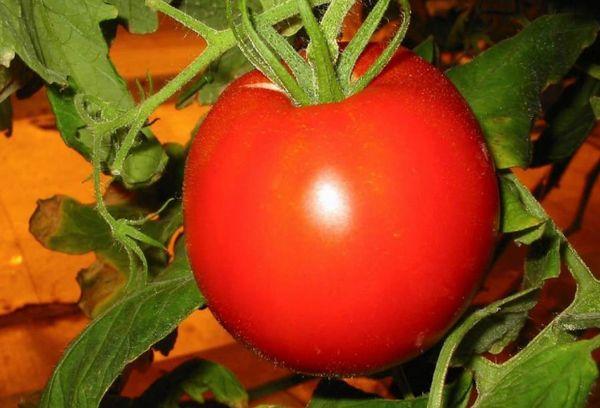
Description of the advantages of garden culture:
- decent taste qualities of tomatoes;
- aesthetic appearance of fruits;
- possibility of universal application;
- ability to tolerate low temperatures;
- undemanding to growing conditions;
- good stress resistance qualities.
Tomatoes are eaten fresh, as an ingredient in first and second courses. They can be used in salads, either alone or as a companion. The fruits of this variety are excellent for marinades and preserves for the winter.
Pests and diseases
Moskvich is resistant to the main types of tomato diseases, a strong characteristic of most early-ripening varieties. Mosaic virus, fusarium wilt, and verticillium wilt pose no threat to this plant.
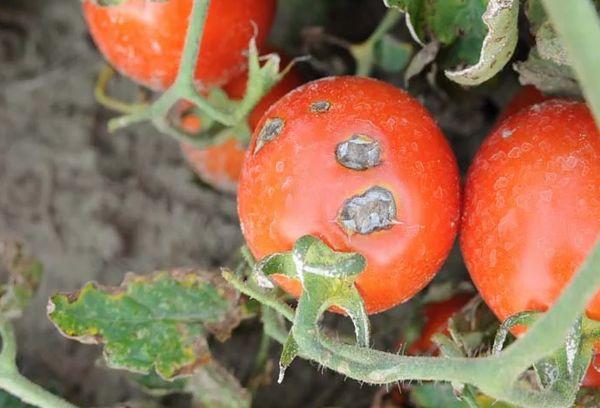
To prevent late blight, it is recommended to periodically spray the plant with copper-based products. Gardeners often use garlic infusion or Bordeaux mixture for the same purpose. Preventing root rot and gray mold involves periodically loosening the soil and preventing weeds from overgrowing the plantings. To reduce the risk of such problems, add peat to the soil.
To prevent fungal diseases, special insecticides are used. Before using, carefully read the instructions and follow safety precautions.
Harvesting and storage
Tomatoes are harvested throughout the growing season, but the plant produces the most fruit during the first flush of ripening. The fruits are picked when they turn red. In most cases, the plant has produced its entire harvest by the end of summer, so the number of green tomatoes is kept to a minimum. If the tomatoes have not yet turned red, they are picked from the bushes and stored in a cool, dark place to ripen.
Take a look Also
Gardeners' reviews
Alexander, 41 years old:
"I planted the Moskvich variety last year. I was delighted with the taste of its tomatoes and the large number of them produced per plant. The bushes are low, compact, and don't take up much space. Importantly, the care is minimal; the shoots don't need to be pinched or tied up. I encountered no complaints or shortcomings while growing them."
Anastasia, 51 years old:
"I liked the Moskvich both for its ease of cultivation and the yield it yielded. The fruits are smooth, tasty, and have juicy, fleshy flesh, with a distinct tomato flavor. They're great eaten fresh or for pickling. The small fruits average 70 grams, so they're perfect for jars of any size."
Related posts:
 The best grape varieties for growing in the Urals, planting and care rules in summer
 Kirov-bred tomato varieties for greenhouse and open-ground cultivation
 80 Best Eggplant Varieties for Different Regions with Descriptions and Characteristics
 Description of the best tomato varieties for greenhouses in the Kirov region
 The best eggplant varieties for growing in a polycarbonate greenhouse: planting and care
 Descriptions of the 20 best cherry varieties for the Moscow region, their planting and care
 Description and cultivation of the 15 best cherry plum varieties for the Moscow region, planting and care rules
 Description and characteristics of the 27 best plum varieties for the Urals, planting and care