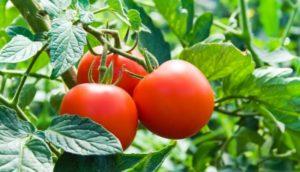
The variety is characterized by high yield, delicious fruit, and resistance to nightshade diseases. The new Pandaroza f1 tomato represents the first generation of a hybrid with early ripening fruit.
Advantages of a hybrid
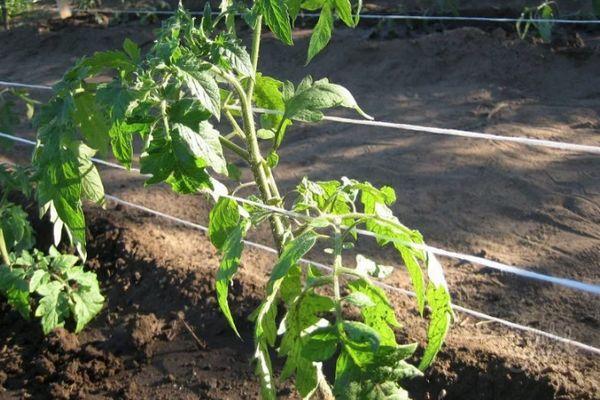
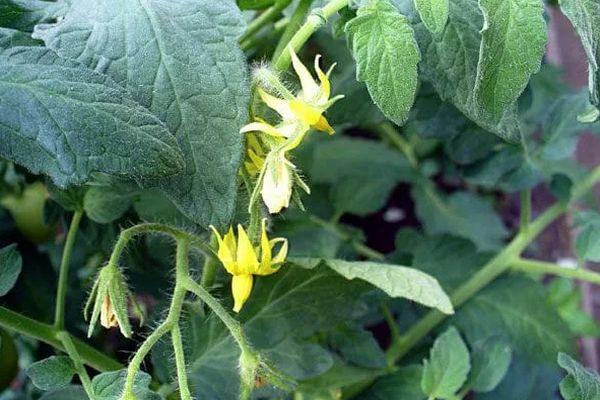
The Pandarosa f1 tomato variety is a first-generation hybrid. Harvesting begins 68-70 days after sowing the seeds for seedlings. During the growing season, a tall plant with large leaves and a well-developed root system develops.
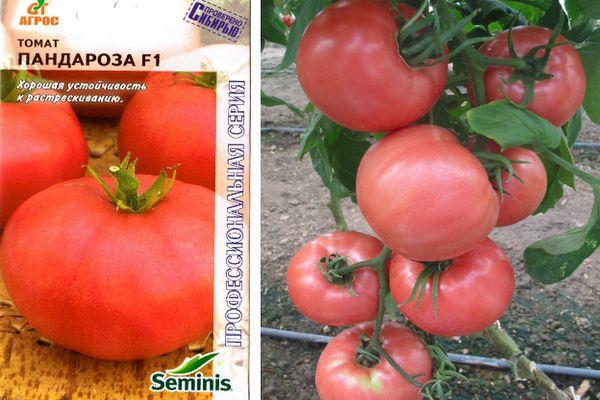
Description of fruits:
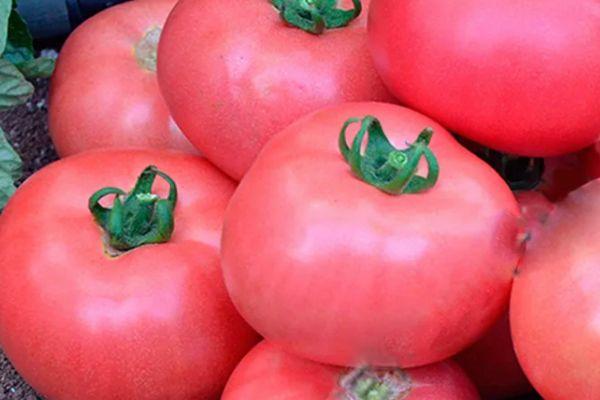
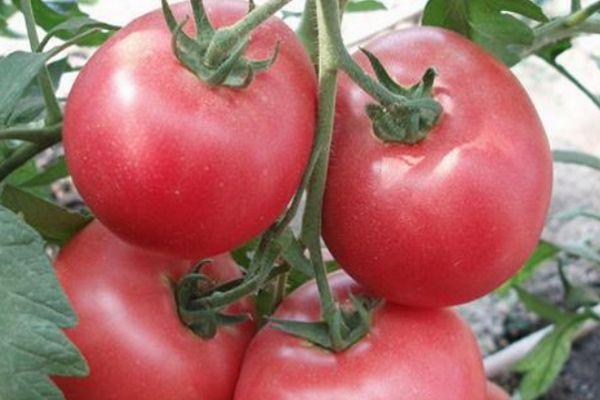
- A ripe tomato of an attractive pink color, weighing 210-230 g.
- The tomato is flat and round in shape.
- The dense skin allows the fruits to be transported over long distances; after harvesting, the crop can be stored for 10 days.
The characteristics of the crop indicate resistance to cracking, fungal and viral diseases (apical rot, yellow leaf curl virus, tobacco mosaic virus, fusarium, root rot).
This indeterminate hybrid is undemanding to growing conditions and is suitable for indoor cultivation. The tomato sets fruit regardless of temperature. The ripened fruit is harvested as individual fruits.
In the world of tomatoes, there are varieties with the same name, but differing in appearance and taste.
The plant's name practically describes another tomato, Pandarosa, which belongs to the beef tomato group (large-fruited tomatoes). This tall, mid-season variety produces flat, round, red fruits weighing up to 400 g.
Cultivation techniques
One way to increase crop yield is to use crop rotation. The best predecessors for tomatoes are considered to be winter grains, early cabbage, annual legumes, and cucumbers.
The hybrid is recommended to be grown in the spring-summer period in film structures on humus-enriched soil and artificial substrates.
Seeds can be planted directly in their permanent location once the soil temperature reaches 10–12°C. The planting depth for this method is 5–6 cm. When growing the crop from seedlings in containers with prepared soil, seeds are planted in pre-made furrows to a depth of 1 cm.
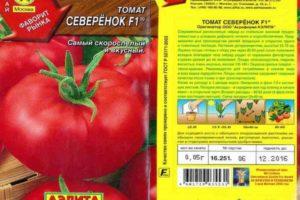
Before sowing, it is recommended to treat the seeds with a growth stimulant. The seed container is generously watered with warm water using a spray bottle and covered with plastic wrap until the sprouts emerge.
To ensure healthy seedlings develop, supplemental lighting with fluorescent lamps is recommended to extend daylight hours to 16 hours. When 1-2 true leaves develop, transplant the seedlings into individual containers.
Peat pots can be used for this purpose, and the seedlings are then transplanted to their permanent location. During the growing season, it is recommended to apply mineral fertilizers and ensure timely watering.
To achieve optimal yield per square meter, apply 40–50 kg of organic fertilizer and 700 g of complex fertilizer per 10 square meters. Potassium nitrate and ammonium nitrate are added as fertilizer.
Drip irrigation has a positive effect on root development and fruit formation. To optimize weed control, mulch the soil with last year's grass or non-woven black fiber.
Opinions and recommendations from gardeners
Reviews from vegetable growers who grow the Pandarosa variety indicate disease resistance, high yields, a long fruiting period, intense pink color, and a sweet flavor.
Margarita Vorobyova, 51 years old, Tyumen:
"Last year, I grew the Pandarosa variety in a greenhouse. According to the seed producer, the plant can even be planted outdoors. I grew it using seedlings. I moved the seedlings to the greenhouse in early May. The bushes grew to medium size, and they produced numerous fruits. When ripe, they acquired a pleasant raspberry color and a sweet flavor. I used them fresh for salads."
Mikhail Efremov, 56 years old, Adler:
"I bought the Pandarosa hybrid at a specialty store. I grew it directly in the ground. Over the course of the growing season, vigorous bushes developed. I prepared a special bed for the tomatoes in the fall and added plenty of organic fertilizer. During the growing process, I was impressed by the plant's resistance to viruses and fungi, its high yield, and its excellent taste. I used it fresh. I will definitely grow this variety next season. The only drawback is that the hybrid seeds are not suitable for starting a new crop."
Related posts:
 80 Best Eggplant Varieties for Different Regions with Descriptions and Characteristics
 The best grape varieties for growing in the Urals, planting and care rules in summer
 Descriptions of the 20 best cherry varieties for the Moscow region, their planting and care
 Description of the best varieties of black tomatoes for open ground and greenhouses
 50 Best Pumpkin Varieties with Descriptions and Characteristics for Outdoor Planting
 Description and characteristics of the 60 best sea buckthorn varieties, how to choose depending on the region
 Description of 30 varieties and types of Muscat grapes, planting, cultivation and care
 How to grow grapes in the Moscow region in open ground without a greenhouse