
- Description and characteristics of the variety
- Yield of the Dubok tomato
- Application of fruits
- Resistance to diseases and pests
- Advantages and disadvantages of the Dubrava tomato
- Peculiarities of growing tomatoes
- Planting dates
- Growing tomato seedlings
- Selecting and preparing a site
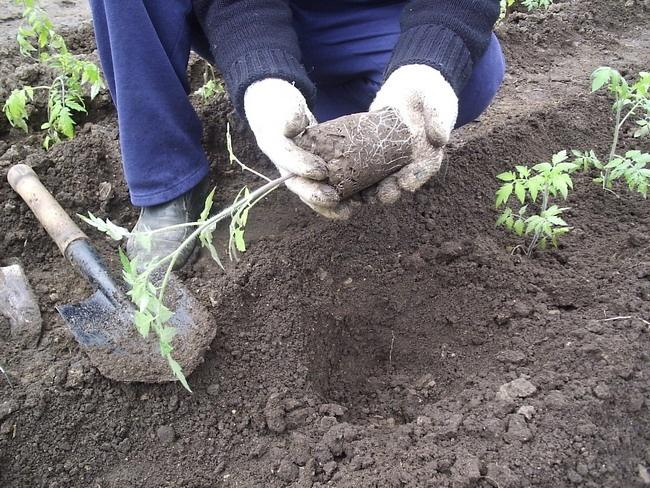
- Planting seedlings in the ground
- Rules for caring for tomatoes
- Watering and fertilizing
- Formation of bushes
- Tying up
- Pinching out stepsons
- Pest and disease control measures
- Harvesting and storage
- Reviews from gardeners
Tomatoes are the most popular vegetable among gardeners. However, of all the varieties available today, farmers prefer those that are easy to grow and care for, and suitable for planting outdoors. One of the most successful tomato varieties is Dubrava (Dubok), which does not require shaping or pinching.
Description and characteristics of the variety
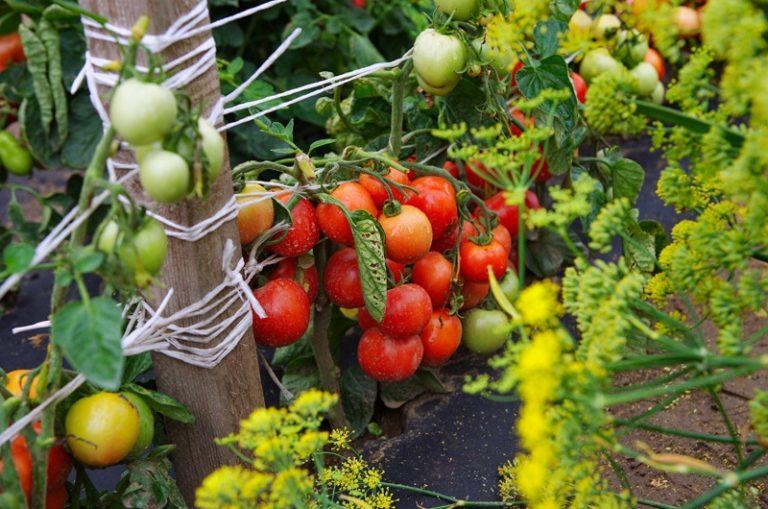
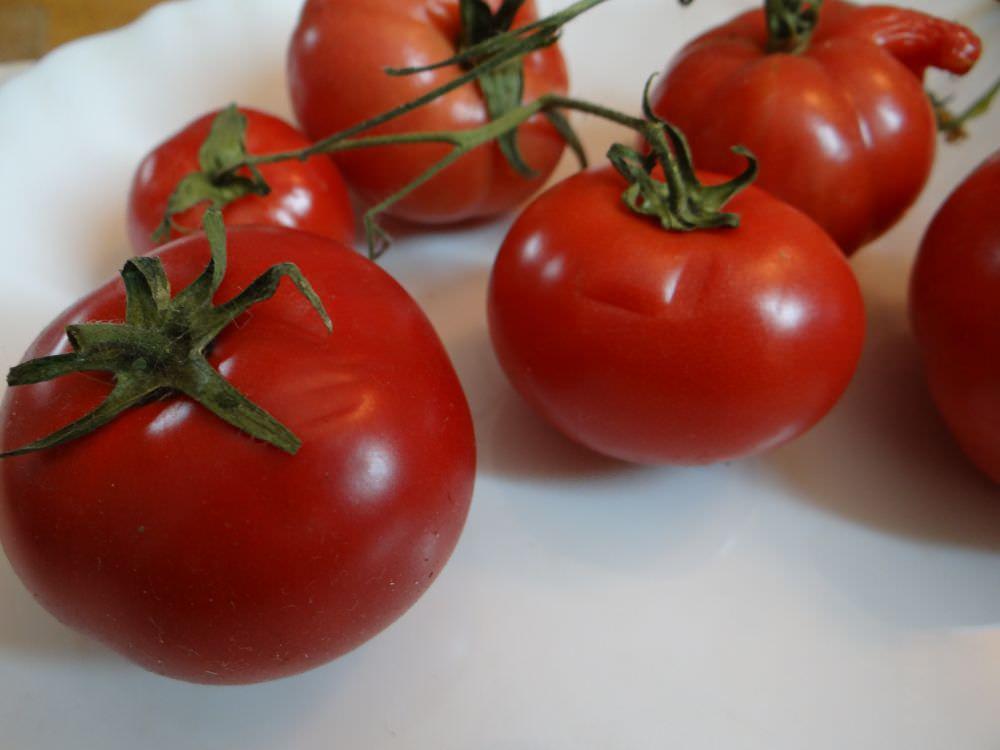
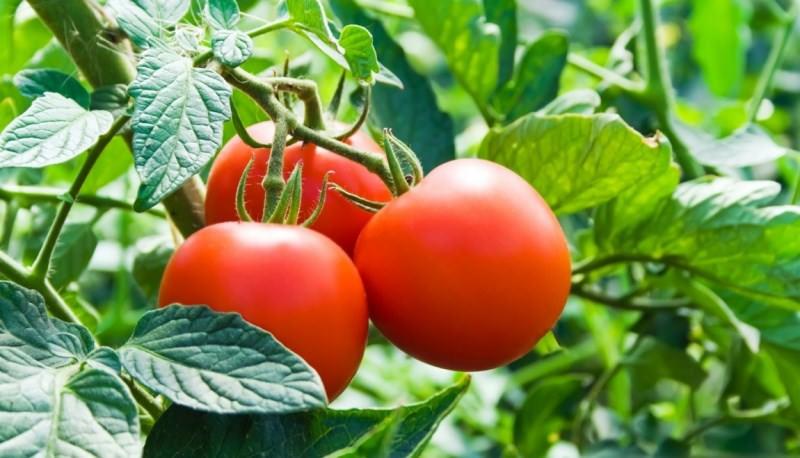
Dubrava is an early-ripening tomato variety, producing ripe fruit in an average of three months. The plant reaches half a meter in height and is not characterized by abundant branching or excessive foliage. The fruits themselves are smooth, round, and uniformly red. The skin is thin, but the flesh is fleshy.
The average weight of a Dubrava tomato is 65-110 grams. Its flavor is similar to sweet varieties with a slight tartness.
Yield of the Dubok tomato
The yield of the Dubrava tomato is largely influenced by the soil and climate conditions in the growing region. This variety is especially common in the Central Federal District, where nature has created ideal growing conditions for the Dubok. Statistically, this region produces twice as many commercial fruits as any other area. When growing this variety in Moscow and the Moscow region, you can expect a yield of 4-6 kilograms per square meter.
Application of fruits
These fruits are versatile and are used:
- in canned goods;
- in cooking, both fresh and after heat treatment;
- in industrial production;
Take a look Also
Interesting! Small Dubrava fruits are also recommended for canning whole pickled tomatoes. The skins don't crack, so the preserves turn out beautiful and appetizing.
Resistance to diseases and pests
The Dubok tomato is virtually immune to various diseases. Pests also tend to avoid the plant, overlooking it due to its small stature and small, inconspicuous leaves. However, despite its good resistance, it is recommended to treat the plant with a solution against aphids and locusts.
Advantages and disadvantages of the Dubrava tomato
Dubrava tomatoes have a number of undeniable advantages:
- fast ripening;
- ease of processing;
- lack of sensitivity to temperature changes;
- high yield rate;
- maintaining all indicators during transportation.
A downside is that the variety must be grown exclusively from seedlings. Seeds do not survive outdoors.
Peculiarities of growing tomatoes
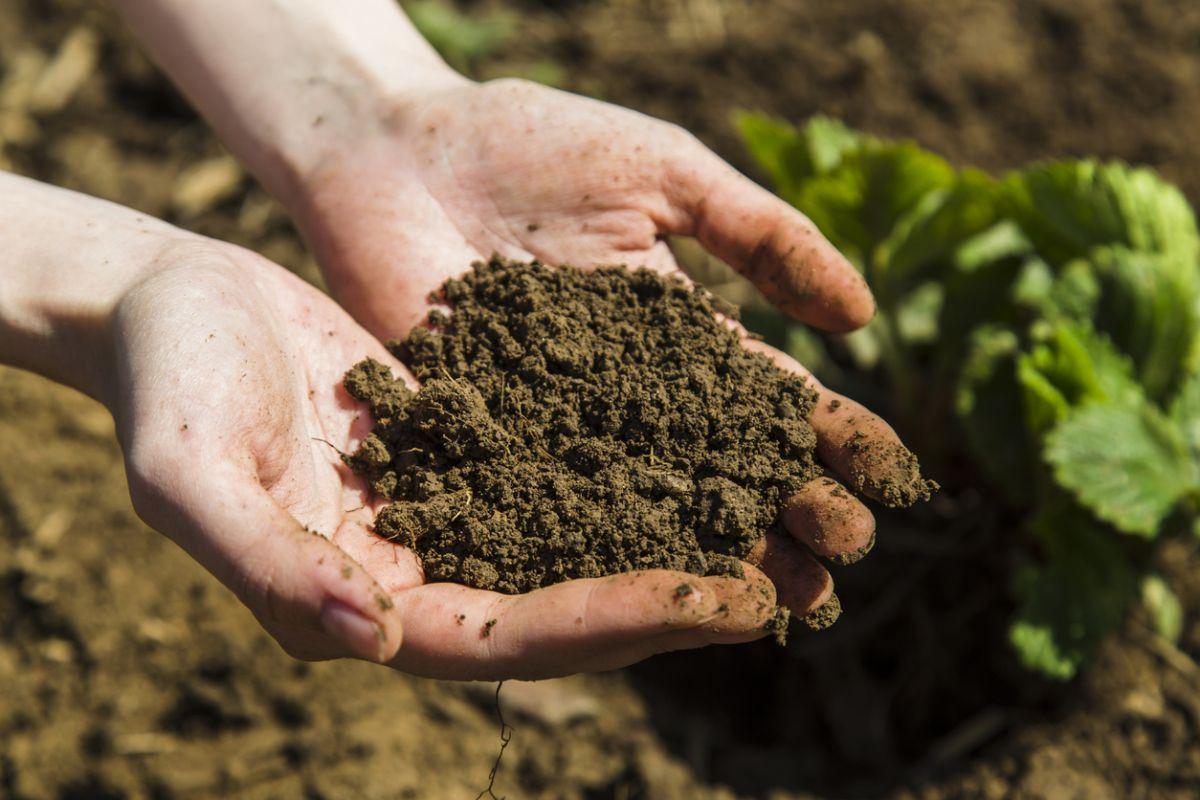
This variety is undemanding when it comes to soil. It can be planted in a vegetable garden, a greenhouse, or a potted plant.
Important! Do not plant Dubrava when the weather has not yet stabilized.
The variety isn't affected by heat, but soil freezing can cause the seedlings to die completely. The minimum acceptable air temperature is plus five degrees Celsius.
Planting dates
If you're buying ready-made seedlings, the timing depends entirely on climate conditions. Typically, this is late April to early May. However, when growing Dubrava tomatoes from seeds yourself, it's recommended to start sowing in late March. The seeds are grown indoors or in a greenhouse. Within a month or a month and a half, they'll grow and strengthen enough to be planted in the ground.
Growing tomato seedlings
The seeds are planted in a special sand mixture; it is recommended to use substrates left over from zucchini or greens. The soil must be disinfected by heating it in the oven. The growing container should have holes in the bottom for better watering.
Important! When preparing seeds, it is strongly recommended to treat them with a growth activating solution and a 2% potassium permanganate solution to prevent various diseases.
Selecting and preparing a site
To plant Dubrava tomatoes, you need loose, pest-free soil. Soil after squash, legumes, or greens works well. Natural light is also important. Planting tomatoes in the shade is not recommended.
Planting seedlings in the ground
To properly plant seedlings, only three main criteria must be met:
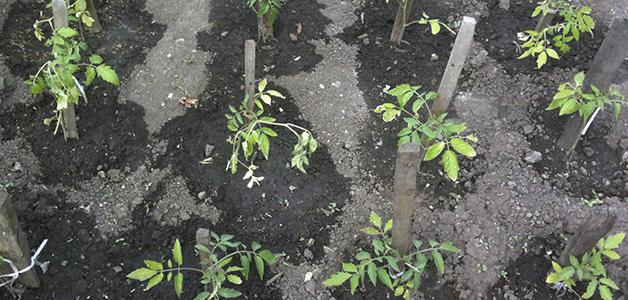
- a maximum of 4 oak bushes can be planted per square meter;
- It is recommended to bury the bushes in holes about 10 centimeters deep at an angle (the plant will straighten itself);
- During the first two weeks, tomatoes require more liquid, so they should be watered generously.
Rules for caring for tomatoes
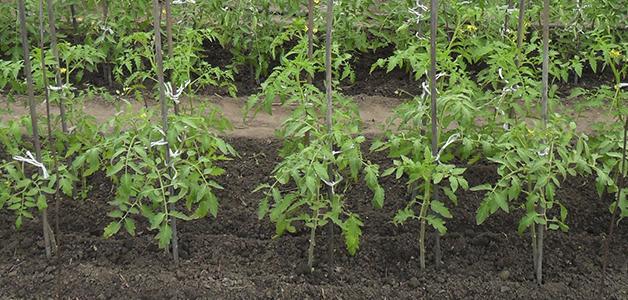
When caring for Dubrava bushes, it's important to provide the plant with sufficient moisture, as the fleshy part of the tomato is formed precisely due to the high water content of the fruit. Due to their small size, the bushes don't require staking or removing side shoots. However, it's important to periodically remove weeds from the beds and weed the soil regularly.
Watering and fertilizing
The watering schedule for Dubrava tomatoes depends on soil moisture, typically 1-2 times per week. It's not recommended to water the plant in full sun; it's best to wait until sunset. Periodic feeding is also necessary to improve fruit quality. To do this, you'll need:
- wood ash (glass);
- superphosphate (50 grams);
- organic fertilizers (1:5).
Important! It is recommended to fertilize the soil every 20-25 days!
Formation of bushes
In terms of bush formation, the Dubrava tomato is a completely independent plant, only occasionally requiring special attention.
Tying up
Due to their small stature, Dubrava bushes don't require special staking. However, in exceptional cases, one or three bushes may require special staking.
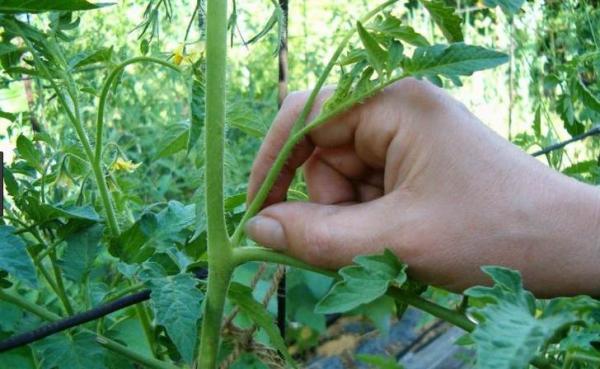
Pinching out stepsons
A distinctive feature of this variety is that it requires no side shoots. However, some gardeners recommend this care method.
Pest and disease control measures
The main indicator of a plant's health is its leaves. If the usual light green color changes to a dull yellow, it's recommended to carefully inspect the entire bush:
- If red veins appear, the plant most likely lacks nitrogen;
- If the leaves turn yellow and fall off, you need to solve the zinc problem;
- Yellow leaves with white streaks indicate a lack of iron.
Bushes can also be attacked by parasitic insects. The appropriate treatment solution depends on the pest species. For example, Actellic or Akarin are effective against whiteflies, while Alatar or Fitoverm are not effective against cutworms.
Harvesting and storage
Harvesting is typically done in July-August, depending on the planting date. On average, the first ripe tomatoes appear 80-95 days after harvest, and then ripen gradually, possibly even until late autumn. The variety is also not fussy about storage and transportation conditions, but it's best to avoid high temperatures.
Reviews from gardeners
Reviews from those who have planted this variety are overwhelmingly positive. They note the ease of care and undemanding nature of the plant. And when planted under proper conditions and in full sun, the yield exceeds all expectations.
Related posts:
 Methods for planting and propagating cherries at home
 Description and characteristics of the 15 best potato varieties for Belarus
 Description of varieties of sowing peas and cultivation, to which family they belong
 The best grape varieties for growing in the Urals, planting and care rules in summer
 Growing and caring for hazelnuts in open ground, rules for planting hazelnuts
 Description and cultivation of the 15 best cherry plum varieties for the Moscow region, planting and care rules
 The best methods for growing grapes from seeds at home
 How to properly plant peas in a greenhouse and open ground