
- Description and characteristics of potato varieties in Belarus
- Advantages and disadvantages
- The best varieties
- Early potato varieties of Belarusian selection
- Uladar
- Aksamit
- Dolphin
- Lapis lazuli
- Mid-early potatoes
- Lily
- Yanka
- Treasures
- Mid-season varieties
- Oak grove
- Krinitsa
- Volat
- Mid-late potato
- Lightning
- Zdabytak
- Maximum
- Late-ripening varieties
- Vesnyanka
- Rogneda
- Criteria for choosing potatoes
- Potato planting guidelines in Belarus
- Further care
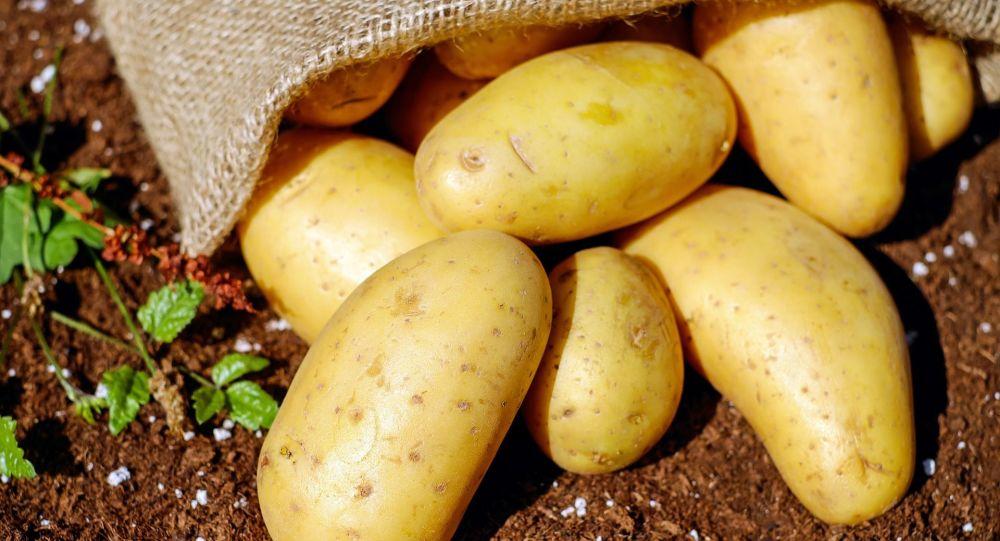
Potato varieties developed in Belarus are very popular in all regions and many countries. They are grown for agricultural purposes and for personal consumption. Varieties with different maturation periods have been developed: early, mid-season, and late.
Description and characteristics of potato varieties in Belarus
Potatoes developed by Belarusian breeders are intended for cultivation in this country. They are grown for agricultural purposes: sold, used for animal feed, and processed into semi-finished products. Many varieties from Belarus are also in demand among gardeners in many countries and regions.
Early, mid-season, and late varieties have been developed, each with its own maturity date. Many of these varieties tolerate drought and spring frosts well. Belarusian potatoes are easy to care for and produce a bountiful harvest.
Important! The later the variety, the greater its resistance to infections.
Advantages and disadvantages
Belarusian species have many advantages:
- High fruit production.
- Selling appearance.
- Smooth edges of potatoes.
- Pleasant taste.
- Long-lasting immunity.
- Drought tolerance.
- Easy to care for.
The best varieties
The best and most popular varieties of Belarusian breeders are considered to be:
- Aksamit;
- Dolphin;
- Scrub;
- Oak grove;
- Volat;
- Lightning;
- Rogneda.
The most successful varieties are considered to be the ultra-early ones; they yield the fastest and allow for two harvests per season. However, storing the tubers requires certain conditions: a cool, dark place with a temperature of 1-3°C. Later varieties are highly resistant to drought and frost and have a good shelf life.

Early potato varieties of Belarusian selection
Early-ripening potatoes fully mature 75-85 days after transplanting. In southern regions, they can be grown twice per season.
Uladar
They are often planted in gardens. The fruits are characterized by moderate cooking time. One bush produces 11-13 tubers. The potatoes are medium-sized, with a yellow-brown skin. The flesh is firm and light yellow.
Aksamit
A medium-yielding variety, yielding 10-15 roots per bush. The fruit's surface is brown, with a light yellow interior. It has a medium starch content and good cooking properties. It has excellent flavor.
Dolphin
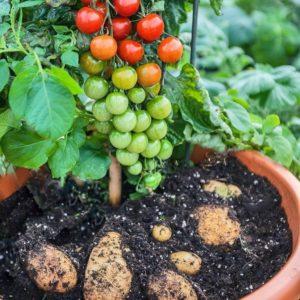
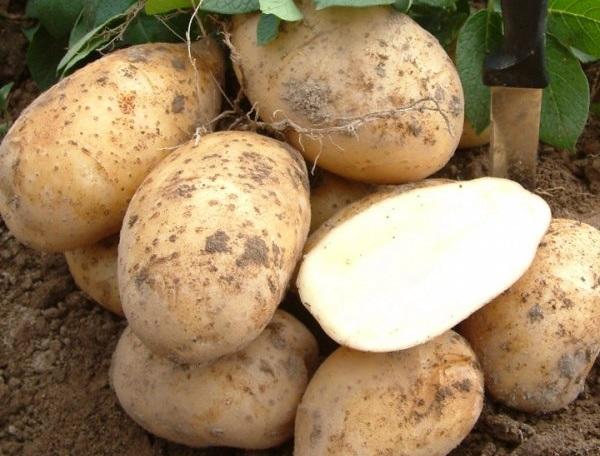
The Dolphin variety produces potatoes with a thin, brown skin and a light yellow color when cut. The fruits are round and elongated. 15-17 tubers are harvested from a single plant. The Dolphin variety has a strong immunity and retains moisture in arid climates.
Lapis lazuli
Produces large fruits with a brown skin. The tubers are light yellow when cut. They have a pleasant flavor. This is an ultra-early variety. Harvesting occurs 65-75 days after sowing. It is immune to potato wart. Store the fruits in a cool place at 2-4°C, protected from sunlight.

Mid-early potatoes
Mid-early potatoes allow for harvesting 92-100 days after planting. These varieties have a moderate shelf life and high yields.
Lily
The lily produces medium-sized tubers with an elongated oval shape. The skin is light brown, forming a small number of shallow eyes. The flesh is firm and yellow. Potato Lileya They are used for freezing and deep-frying. The flesh does not overcook and retains its shape.
Yanka
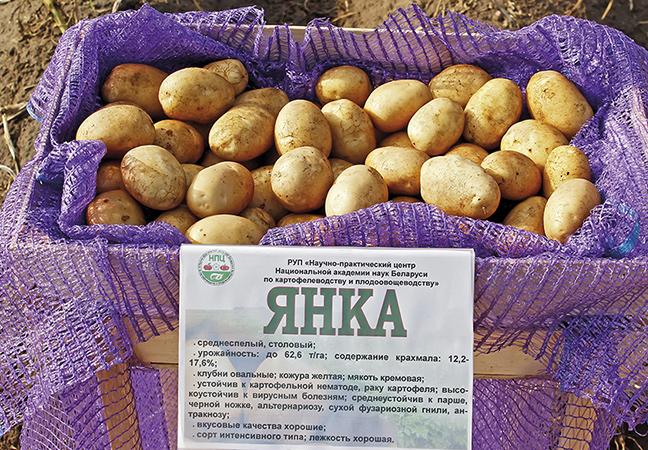
A high-yielding variety, producing 10-13 tubers per plant. Regular fertilizing can increase the yield. The potatoes are medium-sized with light-brown skin; when cut, they are white with a yellow tint. Yanka tolerates prolonged drought well and is resistant to spring frosts.
Treasures
A high-yielding variety, a single bush yields 16 to 20 tubers. All tubers are smooth, nearly identical, round, and have light-brown skin. The inside of the tubers is yellow and retains its shape when cooked. This variety is tolerant of soil fertility and produces fruit even in poor soils.
Mid-season varieties
Mid-season potato varieties yield a harvest 100-105 days after sowing.
Oak grove
Dubrava is resistant to potato diseases such as scab and potato cancer. It produces bright yellow, round fruits. The yield is 50 tons per hectare. The creamy flesh indicates the tubers' high starch content. The fruits fall apart when cooked.

Krinitsa
Krinitsa tubers are yellow-brown in color and have a round, elongated shape. The variety is resistant to scab, nematodes, and canker. The average yield is 49.5 tons per hectare.
The flesh is light creamy in color and has good flavor. Potatoes are grown commercially and in private gardens.
Volat
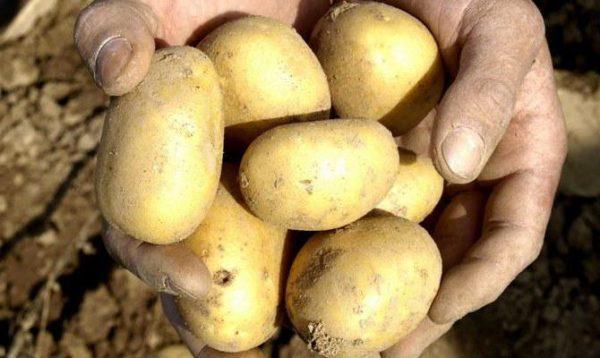
Volat is immune to scab, canker, and nematodes. It produces fruits covered in yellow skin. The fruits are round or oval in shape and light yellow in cross-section. They contain approximately 17-20% starch. The yield is high, with 65 tons of potatoes harvested per hectare.
Mid-late potato
Mid-late potato varieties yield a harvest 112-123 days after transplanting. They are more resistant to diseases and adverse weather conditions. The fruits of these varieties last until the beginning of the following season.
Lightning
The tubers are bright pink, round or elongated. Up to 15 fruits can be harvested from a single plant. The average yield is 52.7 tons per hectare. The tubers are beige in cross-section and do not turn black for a long time after peeling. They are immune to the most common potato diseases.
Zdabytak
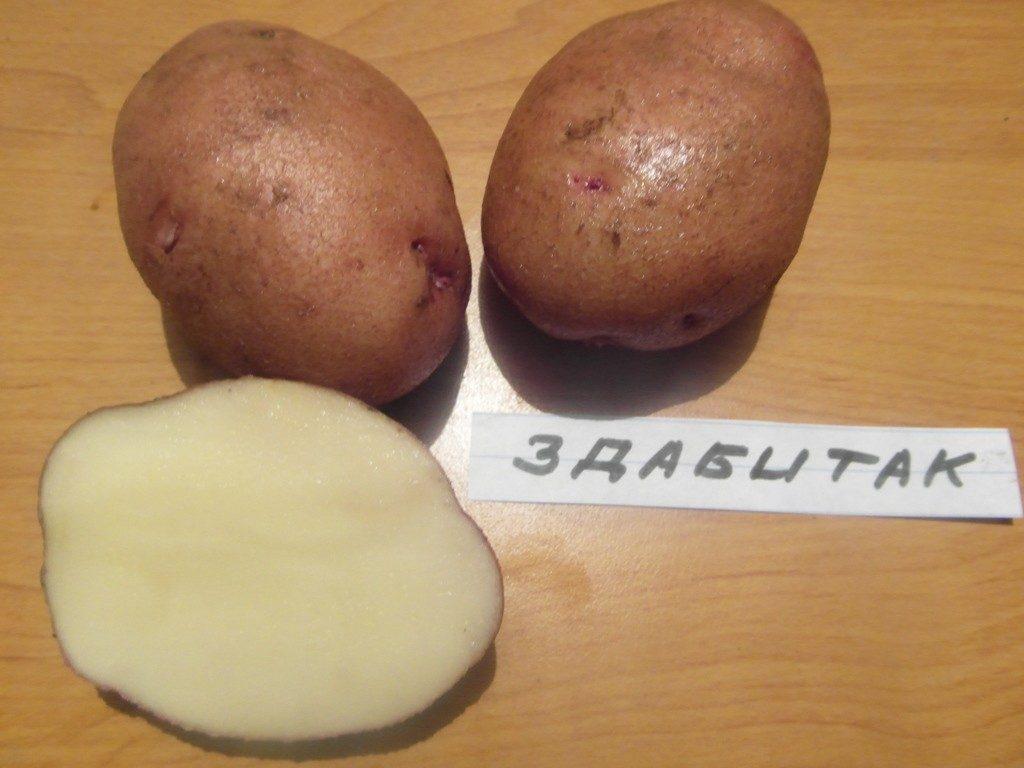
Zdabutak produces medium-sized oval potatoes. The skin is bright burgundy. When cut, it's white with a pink tint. One hectare of land yields 60 tons of potatoes. It's considered a high-yielding variety. The tubers contain over 20% starch, and the fruits become mushy when cooked. This variety requires watering.
Maximum
The Maxima produces medium-sized roots with brown skin that is lighter and yellowish when cut. It contains 17-20% starch, which causes it to soften after cooking. The harvest has a long shelf life. The bushes are resistant to pests and diseases. They require little maintenance, produce well in poor soils, and are drought-resistant.
Late-ripening varieties
Tuber ripening occurs on the 124th-133rd day of the vegetative period. These varieties have strong immunity.
Vesnyanka
It produces medium to large fruits. They are covered with a thin, light-brown skin. When cut, the root is light yellow. Vesnyanka exhibits good shelf life, is resistant to infections, and is tolerant of dry periods.

Rogneda
Tall bushes develop. The fruits are large and light brown. The flesh is bright yellow and firm. It retains its shape when cooked. A unique feature of this variety is that it can be dug up unripe. Rogneda has excellent shelf life, with the fruits retaining their shape until the beginning of the following season.
Criteria for choosing potatoes
To select the right potatoes for growing, adhere to the following criteria:
- soil composition at the growing site;
- climate of the region;
- productivity;
- purpose of cultivation.
Potato planting guidelines in Belarus
Planting takes place from mid-April to mid-May. Timing depends on the weather and variety. The soil should warm to 6-8°C at a depth of 8-12 cm. When planting in April, cover the bed with dark plastic, as night frosts are common at this time.
The soil is prepared in the fall. The selected area is dug over, removing all weeds and stones. Manure or mineral nitrogen fertilizer is added. In the spring, the soil is dug over again. Choose a well-lit location with airy, loose soil that is not prone to frequent flooding.
Beds are formed in the plot, and holes are dug for the seeds. In dry soils, the holes are 8-10 cm deep, and in wet and heavy soils, 5 cm deep. The seeds are distributed 25-30 cm apart, with 50-60 cm between each bed. Potatoes are also planted in a ridge pattern. Narrow beds are made, and the seeds are placed at the ends. This ensures drainage of excess water. The seeds are buried in soil, and the surface soil is leveled with a rake.

Further care
Potatoes are a drought-resistant crop. They are watered three times per season. Three liters of water are applied per plant. The first time is after the sprouts emerge, the second time is when they reach 20 cm, and the third time is two weeks before harvest. During drought, the frequency of watering is increased.
Weeding and loosening the soil are essential. This provides additional oxygen to the tubers.
Hilling bushes is done to retain moisture at the roots. This increases the number of fruits and improves their quality. The first hilling is done when the tops reach 20 cm above the soil. The bush is covered with soil until 2-3 pairs of leaves remain. The second hilling is done two weeks after the first, and the third three weeks after the second. Harvesting begins after the tops have yellowed and dried, and the roots can be easily removed. Digging is done in dry weather.
Related posts:
 Description of the best potato varieties of domestic and foreign selection
 Description of the best potato varieties for 2025, selection for regions
 Description and characteristics of the Rodrigo potato variety, cultivation and care
 Why potatoes aren't growing well in the garden, and what to do to ensure a bountiful harvest
 Description and characteristics of the Krasavchik potato variety, planting and care
 Description and treatment of potato diseases, methods of control using folk and chemical means
 Description of 36 of the best sweet and large varieties of gooseberries
 Description and treatment of potato pests, control measures