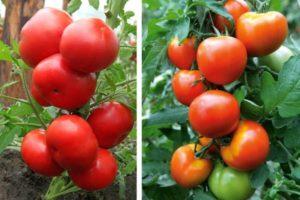
The Severenok f1 tomato is a hybrid variety listed in the Russian State Register. It is grown in open ground and under plastic covers. Due to its rapid ripening, this tomato is resistant to late blight. The fruits of this variety withstand long transportation and are used for canning and tomato paste production.
If you pickle whole tomatoes, they will retain their shape and color for 3-4 months. When used in salads, the excellent quality of the tomatoes imparts a subtle tart flavor that consumers enjoy.
Some information about the plant
The characteristics and description of the Severenok variety are as follows:
- The hybrid bears its first fruits 90-95 days after planting the seeds for germinating seedlings.
- The height of the plant bush varies from 0.65 to 0.75 m, and the leaves of this variety have the usual shape and color for tomatoes.
- The best yield is obtained when forming a bush of 2-3 stems.
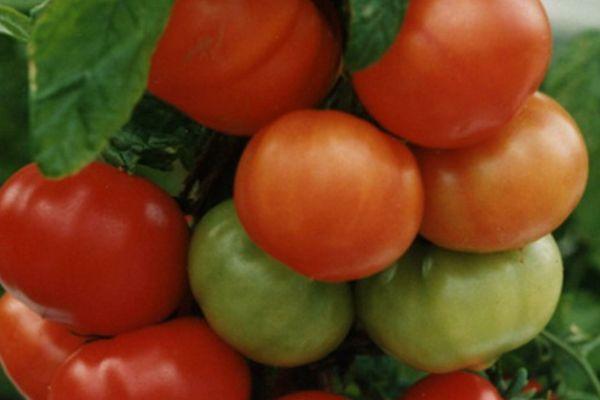
- The fruits are flattened spheroids with subtle ribbing around the stalk. They are dark red in color.
- Fruit weight when planted outdoors ranges from 0.1 to 0.13 kg. If planted in a greenhouse, fruit weight can reach 0.15 kg.
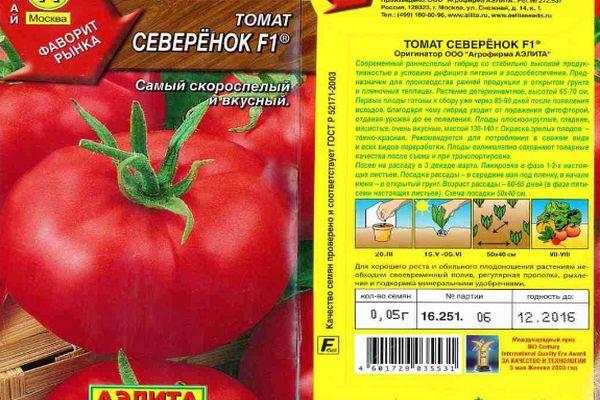
Photos of this tomato variety can be found in agricultural catalogs. Farmers' reviews of this plant are positive. It is noted that the hybrid is resistant to diseases such as tobacco mosaic virus and fusarium wilt. For normal growth, the tomato bushes must be tied to sturdy vertical supports; otherwise, the branches may break during fruit development.
This variety has the ability to produce fruit even under nutrient and water stress. Yields per bush can reach 3.5–4 kg.
Trade organizations and producers readily purchase tomatoes of this variety from farmers due to their excellent transportability. Greenhouse farms in Siberia and the Far North can supply consumers with this tomato variety almost year-round.

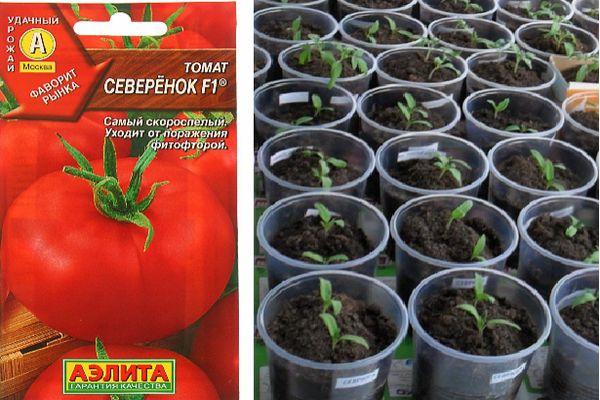
Growing tomatoes of the described variety
Since this plant is characterized by early ripening of fruits, the time to sow seeds for seedlings depends on the gardener's location. If a farmer grows this tomato variety in the central part of the country, it is recommended to plant the seedlings in the first week of April.
Pricking out is done after the seedlings have developed 2-3 leaves. When planting under plastic cover, the time for sowing in the ground is mid-May. If planning to plant the bushes outdoors, gardeners should wait until early June.
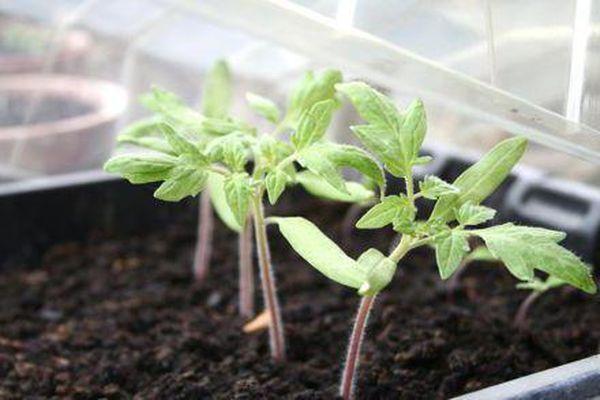
After planting, the plants begin to form bushes and establish supports. With timely care (watering, loosening the soil in the beds, weeding, and applying the necessary fertilizers), a good harvest can be achieved.
It's recommended to water the plants in the evening, after the sun has set. This prevents sunburn on the tomato leaves.
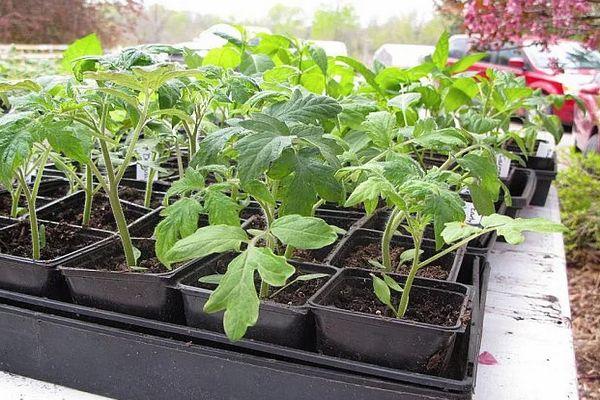
If a fungal infection has developed, the bushes need to be protected by spraying with medicinal preparations. Tomatoes are protected from garden pests using readily available chemicals. The most common attack is the Colorado potato beetle. Some varieties of this pest are practically ineffective against chemicals, so it is recommended to collect the beetles and their larvae by hand and then burn them.
Although this variety can tolerate low water levels, regular watering is essential. If this is neglected for an extended period, the plants will weaken and the yield will be reduced by approximately half.
Plants are fed with complex mineral fertilizers. If these are unavailable, manure alone can be used. This has virtually no effect on the yield.
Related posts:
 The best eggplant varieties for growing in a polycarbonate greenhouse: planting and care
 Description of the Velika grape variety, cultivation and care tips
 80 Best Eggplant Varieties for Different Regions with Descriptions and Characteristics
 Description and characteristics of the best seeds of pea varieties and types
 Description of 30 varieties and types of Muscat grapes, planting, cultivation and care
 Description and cultivation of the Baron Solemacher strawberry variety, planting and care
 Description of the Drogana yellow cherry variety, planting and care
 The best grape varieties for growing in the Urals, planting and care rules in summer