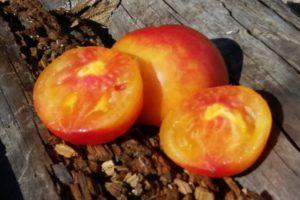
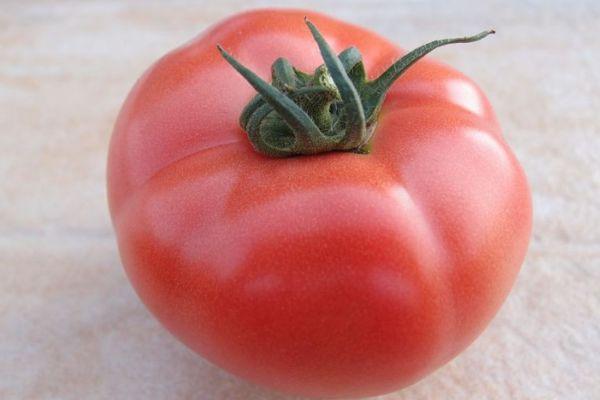
The Pink Claire tomato will appeal to those who love large tomatoes. This indeterminate variety allows for unlimited growth, reaching a height of 2 meters. The root system of this plant develops quite well. The bush produces numerous, rich green leaves. Therefore, to ensure a high number of ovaries, side shoots must be pinched off.
What is a Pink Claire tomato?
Main characteristics and description of the variety:
- The Pink Claire F1 tomato is a hybrid developed by Israeli breeders.
- Its advantage is its resistance to fungal diseases, temperature fluctuations, and drought. However, this tomato variety is susceptible to other diseases in the nightshade family, so appropriate preventative measures should be taken promptly.
- Pink Claire is an early-ripening variety. You can enjoy juicy fruits just three months after planting.
- If you follow the rules and provide proper care, tomatoes will generously reward their owners with a rich harvest: up to 7 kg can be harvested from one bush.
- From 4 to 6 large tomatoes grow on 1 branch of the bush.
- They can be grown both in greenhouses and in open ground.
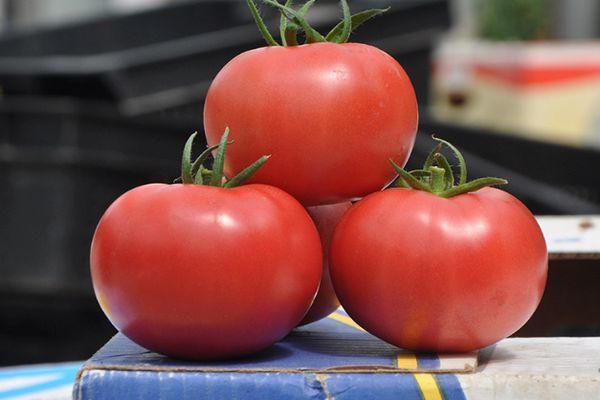
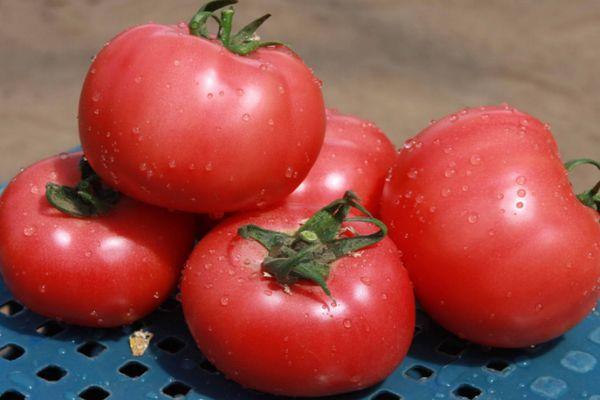
- The weight of 1 fruit is from 200 to 300 g.
- Tomatoes are round in shape, slightly flattened at the top.
Advantages and disadvantages of tomatoes
Reviews from gardeners with experience growing hybrid varieties are mostly positive. However, before planting, it's important to be aware of both the plant's advantages and disadvantages.
Advantages:
- high yield;
- resistance to wilt and tobacco mosaic;
- excellent sweet taste of fruits;
- endurance during transportation;
- versatility in use (can be consumed both fresh and canned);
- drought resistance;
- Possibility of planting in any soil.
Flaws:

- may be susceptible to some nightshade diseases;
- the need for pinching and shaping the bush;
- the plant needs to be tied to a support;
- It does not grow on infertile soil, so the soil needs to be fertilized in a timely manner.
Features of cultivation
Seed planting begins in late February. To ensure a bountiful harvest, the soil needs to be fertilized. A mixture of cow manure, bird droppings, and manure is ideal for this. All components are added to the soil before planting the seedlings.
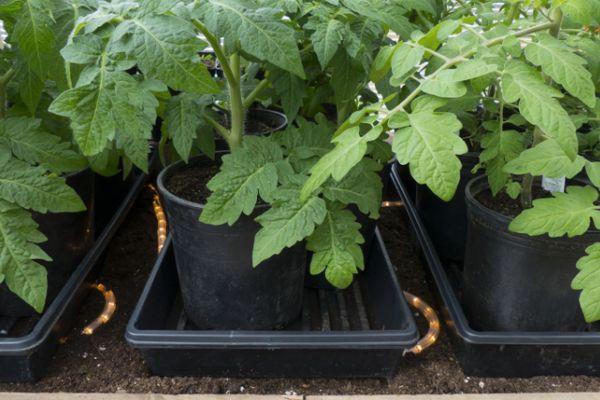
Plant the bushes approximately 60 cm apart to avoid interfering with each other as they grow. Another important factor to consider when planting: tomatoes thrive in areas previously occupied by garlic, onions, zucchini, or legumes.
Timely weeding and removal of weeds are essential for the plant. This improves the soil, and the roots become healthier and stronger.
Frequent watering is not recommended, as excess moisture will cause the plant to wilt. It's important to avoid splashing water on the plant's leaves when watering, as moisture can be a gateway for fungal infections.
Incorrect watering also affects the taste of the fruit; excess moisture makes them too watery and tasteless. It's best to water tomatoes after sunset to prevent sunburn.
The bushes should be fertilized every two weeks. The first fertilization can be bird droppings diluted in a bucket (10 liters) of water. Bird droppings can be replaced with saltpeter, potassium chloride, and superphosphate.
After the first fertilization, wait 14 days before moving on to the next feeding. This is a solution of mullein (1 liter), wood ash (2 teaspoons), and superphosphate (25 g).
The third stage of feeding consists of 0.5 g of manganese sulfate, 3 tablespoons of wood ash, and 25 g of superphosphate. If leaves begin to grow after feeding, stop the process.
Related posts:
 The best eggplant varieties for growing in a polycarbonate greenhouse: planting and care
 Growing and caring for hazelnuts in open ground, rules for planting hazelnuts
 Causes and treatment of eggplant pests and diseases, how to combat them at home
 How to treat grapes for mildew, the best control measures and treatment rules
 How to prune grapes step by step for beginners
 Why plum tree leaves turn yellow and fall off, and the best control measures
 How to plant walnuts, care for them, and grow them at home
 Description and rules for growing Solaris grapes