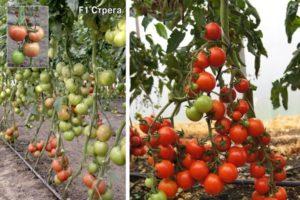
The Pink Pioneer F1 hybrid tomato variety was developed by Japanese breeders and has long been recognized as one of the most popular on the market. Designed for commercial cultivation, the variety arrived in Russia relatively recently—it was only listed in the state register a few years ago.
What is the Pink Pioneer tomato?
This new variety is currently in high demand among hobby gardeners who have greenhouses in their gardens. Farmers are also cultivating this variety for sale.
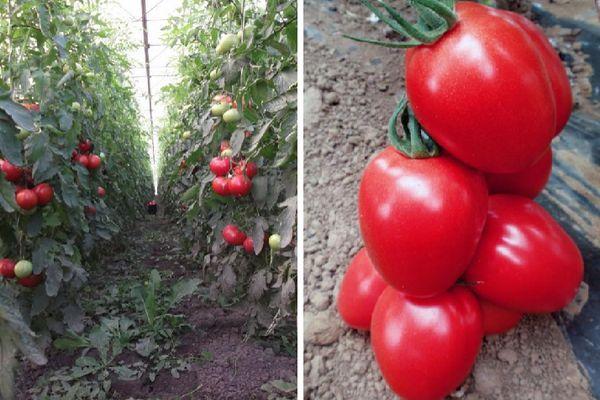
Characteristics and description of the variety:
- Tomato Pink Pioneer f1 belongs to the mid-early tomato varieties.
- The first fruits appear on the bushes 70 days after germination.
- The bushes are distinguished by their strong trunks and tall growth. This variety is classified as indeterminate.
- One of the most important characteristics is the taste of a ripe tomato – it is described as harmonious, as sweetness and sourness are combined in the best possible way.
- The fruits themselves are medium in size, their weight varies between 200-220 g.
- Tomatoes can be stored for quite a long time and tolerate long-distance transportation well.
- The species is not susceptible to diseases such as nematodes, leaf silver viruses, and mosaics.
Experts claim that 1 square meter of Pink Pioneer tomato bushes can yield an average of 28 kg of fruit. This yield can be achieved if a gardener or farmer grows the variety in a greenhouse using proper equipment.
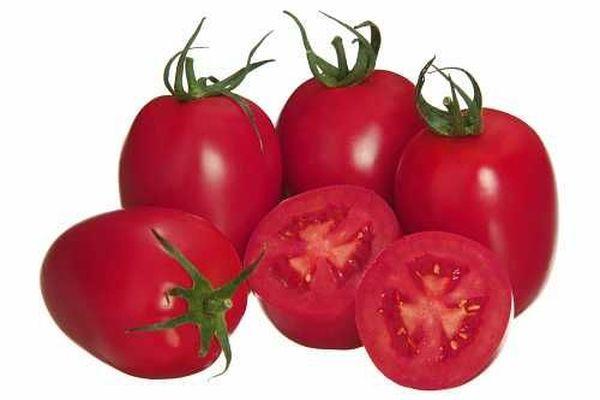
Ripe tomatoes can be eaten raw, used in various appetizers, and added to salads. When cooked, for example in soups or sauces, their flavor improves somewhat. Pink Pioneer tomatoes also have health benefits when added to hot dishes. Their firm flesh also makes them suitable for canning.
Take a look Also

The fruits are also excellent for making tomato juice, preserving the beneficial nutrients. This juice is recommended for the prevention of a number of diseases, including cancer.
How are tomatoes grown?
Since this variety has only recently appeared in Russia, it hasn't yet been thoroughly studied, leading to mixed and very brief reviews. Perhaps this Japanese hybrid will become more popular in our country over time, but it's too early to speak about all its advantages based on reviews. Some gardeners, even considering their first experience growing this variety a success, are hesitant to plant it again.

Among the positive qualities are noted:
- rapid ripening of fruits;
- convenient bush formation;
- good yield;
- early ripening of fruits, resistance to temperature changes;
- Long shelf life is important for those who grow tomatoes for sale.
It is also noted that this Japanese type of tomato is somewhat inferior in taste to other tomatoes, but not to a significant extent.

It's worth noting that Japanese breeders always test their developments in a variety of climates, including sending seeds to other continents for testing. Don't be afraid to buy new products; they are usually high-quality and meet all requirements.
When developing hybrid varieties, the Japanese manufacturer uses innovative technologies, resulting in delicious tomatoes that are resistant to most diseases. No GMO additives are used in the development process—naturalness is the main principle of the work of breeders from the Land of the Rising Sun. Tomatoes are in high demand in European countries.
Related posts:
 Description of the best varieties of black tomatoes for open ground and greenhouses
 80 Best Eggplant Varieties for Different Regions with Descriptions and Characteristics
 The best grape varieties for growing in the Urals, planting and care rules in summer
 What varieties of tomatoes are best to plant in a polycarbonate greenhouse?
 Descriptions of the 20 best cherry varieties for the Moscow region, their planting and care
 Description and characteristics of the 60 best sea buckthorn varieties, how to choose depending on the region
 50 Best Pumpkin Varieties with Descriptions and Characteristics for Outdoor Planting
 Beginner's Guide to Growing Grapes in Open Ground in Central Russia