
The mid-season Casanova tomato is characterized by high productivity. Its uniquely shaped tomatoes boast excellent flavor and excellent transportability. The fruits are resistant to cracking during ripening.
Benefits of Tomatoes
The mid-season Casanova tomato variety was added to the State Register of Breeding Achievements in 2017. It is recommended to grow this tomato in a greenhouse. During the growing season, it develops a bush with a medium amount of foliage, reaching a height of 180-200 cm.

This indeterminate plant requires pruning and shoring to a support or trellis. The variety's characteristics and description indicate a high yield. Up to 12 kg of fruit can be harvested from 1 m² of planting.
Maximum yield per bush can be achieved by training the plant into 1-2 stems. Single clusters can contain up to 5 tomatoes.
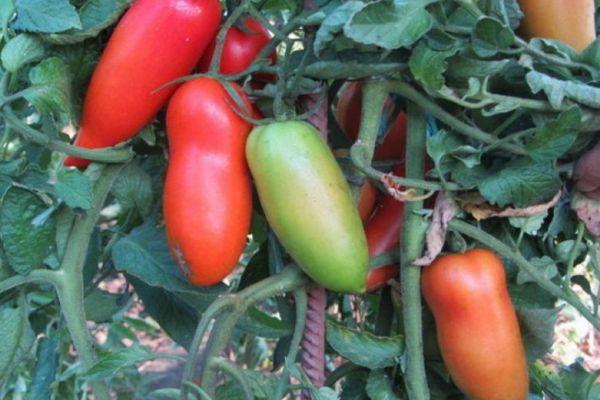
Casanova tomatoes are distinguished by their long fruiting period. The fruits have an exotic appearance, with a forked base, an elongated shape, and a length of up to 20 cm. They are characterized by thick skin, fleshy pulp containing few seeds, and a sweet taste.

At technical maturity, the fruits acquire an intense red color. Tomatoes weigh 150-200 g. Those who have planted the Casanova variety note that the tomatoes are not prone to cracking during ripening.
The harvested crop stores well and tolerates transportation. Under certain conditions (80% humidity, temperature from 5 to 12°C), tomatoes can last until New Year's. To achieve this, they are picked from the vine at the milky stage of ripeness.
Vegetable growers' reviews highlight the versatile uses of the fruit. This salad-type variety, thanks to its shape, fits tightly into jars. The tomatoes retain their shape during cooking. The fruits are used fresh, for canning, and for processing into sauces, juice, and paste.

Agricultural technology for tomato cultivation
To achieve the manufacturer's stated yield, it's important to grow high-quality seedlings. Seeds should be sown 60-65 days before the expected planting date. Before planting, it's recommended to treat the seeds with an aloe vera juice solution and a growth stimulant.

The soil mixture or substrate should be frozen before use for planting. The soil is poured into containers, lightly compacted, and furrows 1 cm deep are made into which the seeds are placed, spaced apart.

Meltwater is good for awakening tomato seeds and boosting their growth. After watering with warm water, cover the container with glass or plastic until the sprouts emerge. When the first loops appear, move the container to a well-lit area.
Due to limited light, seedlings may become elongated, so when two true leaves form, transplant them into individual containers. This stimulates root development and allows for the removal of weak seedlings.
To ensure proper seedling development, it's important to maintain optimal air temperature and apply fertilizer. Before planting, harden the seedlings off for 10-14 days. This process is carried out gradually, protecting the bushes from wind and direct sunlight.
 It is recommended to plant up to 4 bushes per 1 m² in a permanent place. To do this, prepare the beds for planting, disinfect the room and soil. In the fall, potassium and phosphorus fertilizers are added to the soil.
To ensure normal crop development and increase yield, it is necessary to implement a system of agricultural practices. Experienced vegetable growers recommend replacing the top layer of soil to protect plants from potential damage by pathogens.
Before planting, add compost and wood ash to the soil. Crushed eggshells provide calcium for the plants. Magnesium and boron can be added to the soil using specialized fertilizers. Fertilizers are applied to the entire planting area.

During the growing season, periodic root fertilization with complex fertilizers is applied. The mineral composition is adjusted based on soil quality and the plant's stage of development.
The variety responds well to moderate watering. Mulch the plantings with last year's grass or straw. This ensures even distribution of moisture and prevents the surface soil from drying out.

If protection against late blight and alternaria is required, preventative treatment of bushes with special preparations is carried out according to the manufacturer’s instructions.
Related posts:
 The best eggplant varieties for growing in a polycarbonate greenhouse: planting and care
 The best grape varieties for growing in the Urals, planting and care rules in summer
 80 Best Eggplant Varieties for Different Regions with Descriptions and Characteristics
 Methods for planting and propagating cherries at home
 Descriptions of the 20 best cherry varieties for the Moscow region, their planting and care
 The health benefits and harms of cherries, rules of consumption, and their effects on the body
 Description and characteristics of the 27 best plum varieties for the Urals, planting and care
 Is it possible to soak treated cucumber seeds before planting and how to do it correctly?