
Gardeners are asking how to grow Timofey F1 tomatoes, which they read about on vegetable growing websites. This tomato is suitable for growing even for novice gardeners. The variety is undemanding of weather conditions and soil quality, and is easy to care for. The yield is high, and the tomatoes ripen quickly.
Description of the Timofey tomato
This variety was recently developed. Breeders announced its development in 2007. That same year, it was included in the Russian Federation State Register. The Timofey tomato quickly became popular among gardeners thanks to its characteristics.
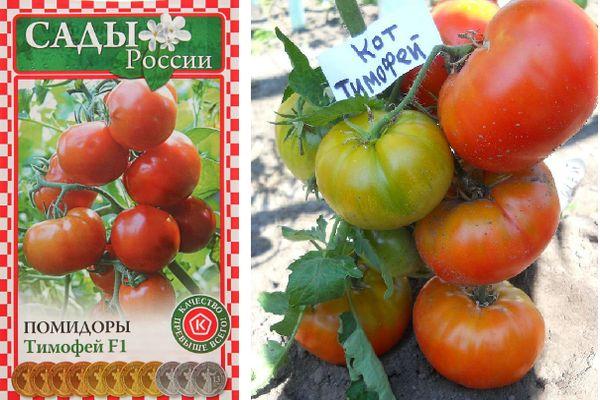
Reviews of the new variety are positive. High yields are guaranteed in both warm and cool climates. The tomato is grown in open beds, hotbeds, and greenhouses. Timofey belongs to a category of cold-hardy tomatoes. The variety tolerates temperature fluctuations and cool summers well.
Characteristics and description of the variety:
- This is a hybrid plant.
- The tomato has inherited the best qualities from its predecessors.
- The variety has strong immunity to common diseases, viral infections, fungi, and pests.
- Tomato is not demanding regarding soil quality.
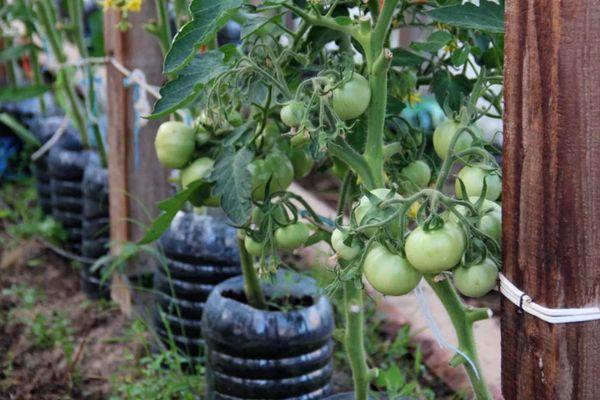
- The bushes are determinate and standard. They grow tall and lush.
- Average height is about 1.5 m.
- The leaves are large and emerald green. There are many of them on the branches.
- Timofey F1 mid-season.
- The first red tomatoes can be harvested 100-105 days after the sprouts emerge. In temperate climates, this occurs in July.
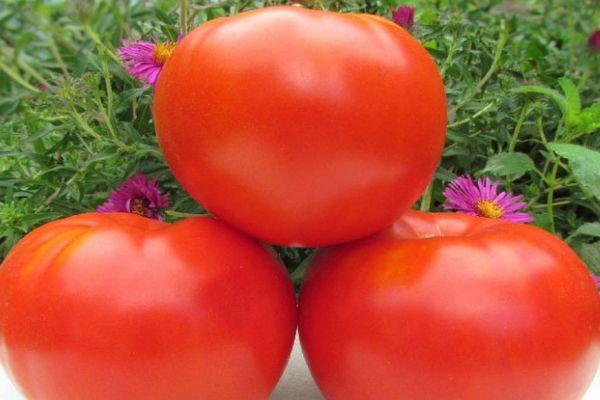
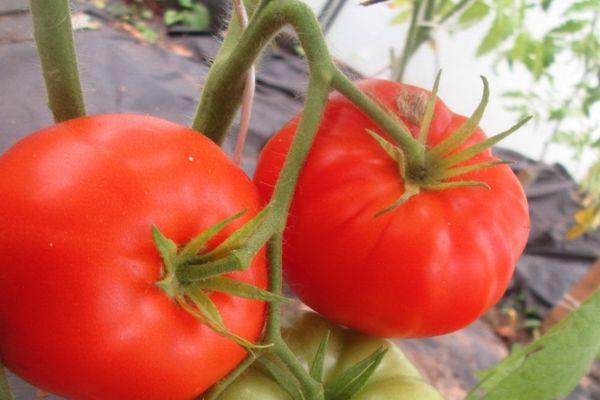
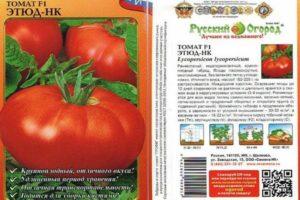
The fruit description contains information about weight, commercial qualities, and taste. Timofey tomatoes are green when ripe. They reach biological maturity when they turn a deep red. They are round, flattened at the top near the stalk. Slight ribbing or none at all is acceptable. The skin is elastic and firm.
The taste is excellent. The flesh is sweet and juicy. The aroma is pleasant and classic. The fruits are multi-chambered—usually 4-6 chambers per tomato. The dry matter content is low—4-5%.
The Timofey F1 variety produces some of the largest fruits among hybrid tomatoes. Each tomato weighs 400-600 g. This variety can produce fruits weighing 700-800 g. These tomatoes are typically the size of the first harvest. Subsequently, the tomatoes become slightly smaller.

These tomatoes have a long shelf life and can withstand long-distance transportation without damage. This variety is suitable for commercial cultivation.
Advantages:
- High yield.
- Large healthy fruits.
- Tomatoes contain many substances that are beneficial for the heart and digestive system.
- The plant is undemanding to soil, care and weather conditions.
- The variety is not susceptible to common diseases and pests.
- Long-term storage of fruits.
- They tolerate transportation over long distances well.
- Decent taste qualities.
- Universal application.
Flaws:
- Requires abundant watering. If there is insufficient water, the fruits may crack.
- The variety cannot produce a good harvest without fertilizers.
- Timofey F1 cannot be grown in a garden bed with other tomato varieties.
How are tomatoes grown?
Tomatoes are grown as seedlings. Seedlings are planted in March. Before planting, the seeds are soaked in potassium permanganate. They are then hardened off by storing them in the refrigerator for 4-6 days.
The seeds are placed in containers with potting soil. The soil is moistened with a spray bottle. The seedlings are covered with plastic wrap for warmth. The first sprouts will emerge in 3-5 days. The plants now require sunlight and a temperature of around 15ºC.
Plants are pricked out after three strong leaves emerge. Repotting into individual pots will help the tomato roots develop sufficiently.
A permanent location for the variety is prepared in advance. In the first half of April, gardeners dig up the bed in an open area or greenhouse, add humus to the soil, and fertilize it.
Before planting, harden off the seedlings. They are first placed outside for 5 minutes, then for 10-15 minutes. Gradually increase the time the plants are exposed to fresh air, up to several hours.

Transplanting into the ground occurs when the plants have become stronger and longer, and the air temperature is above 10°C. It is not recommended to plant tomatoes before frost. Three to four plants are placed per square meter.
Indeterminate plants need to be tied to a support. Thick stakes or trellises can be used for this purpose. In addition to strengthening the stem, supports should be placed for branches bearing heavy fruit.
The bushes are formed into 1-2 stems. To do this, the plant needs to be side-sonned, removing all unnecessary shoots before they begin to thicken.
Take a look Also

Watering should be generous. Spray the bushes 2-3 times a week with warm, settled water. If there is not enough moisture, tomatoes may crack. During the summer, the plant needs to be fed several times with complex fertilizers.
The variety has a high yield: 1 m² of planting with 3-4 bushes produces 20-23 kg of juicy fruit. One bush produces 5-6 kg of fruit per season. According to gardeners, this yield is considered a decent one for a tall and large plant.
The fruits are rich in vitamins and low in calories. The nutrients contained in tomatoes have a beneficial effect on the heart, nervous system, and kidneys, and aid digestion.
The variety is versatile. Due to its large fruit size, it's not suitable for whole-fruit pickling. However, it's excellent for other winter preparations. These tomatoes are recommended for fresh consumption, in salads, and for first and second courses. Timofey tomatoes make delicious and healthy pastes, sauces, and juices.
Related posts:
 The best grape varieties for growing in the Urals, planting and care rules in summer
 80 Best Eggplant Varieties for Different Regions with Descriptions and Characteristics
 Descriptions of the 20 best cherry varieties for the Moscow region, their planting and care
 Beginner's Guide to Growing Grapes in Open Ground in Central Russia
 Description and characteristics of the 60 best sea buckthorn varieties, how to choose depending on the region
 50 Best Pumpkin Varieties with Descriptions and Characteristics for Outdoor Planting
 Description and characteristics of the 35 best walnut varieties, planting and care
 Description and characteristics of the 27 best plum varieties for the Urals, planting and care
I grow this tomato for canning; it holds its shape well. Because the fruit is slightly sweet, the pickles are very tasty. For fertilizing the seedlings, I only use "BioGrow".