
For lovers of early-ripening tomato varieties, the Yadviga F1 tomato will be a real find. This nightshade variety was developed in Japan. Breeders worked hard to create a versatile variety capable of producing high yields in a variety of climates, and they succeeded.
Jadwiga tomatoes tolerate heat and minor temperature fluctuations well. Their flavor receives top marks, and their sweet flesh and aromatic juice are suitable for all-purpose use.
Many vegetable growers enjoy growing the Yadviga variety in their gardens. This tomato variety has proven itself in many countries around the world. It produces high yields even in extreme weather conditions.
Features of the variety
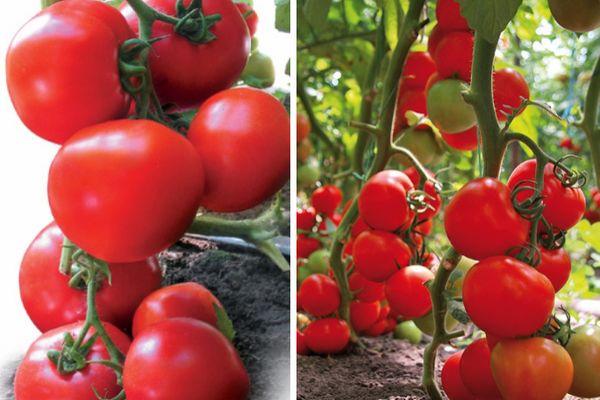
The Jadwiga F1 variety is a semi-determinate variety, with the bush averaging 150–180 cm in height. It has a robust root system that nourishes and supports the plant during periods of weather fluctuation. The bush has a compact and neat appearance.
Gardeners recommend training the plant into two stems. The foliage is medium-sized, regular, and dark green. The stems are strong with short internodes. The Jadwiga tomato is suitable for growing in both greenhouses and hotbeds, as well as in the open ground.
This early-ripening variety produces its first harvest within 80-85 days of germination. The inflorescence is regular. The first cluster forms after 6-7 leaves. Each cluster produces approximately 6 large fruits. A mature bush can produce up to 11 clusters. The plant requires additional support and staking.
Description of tomatoes:
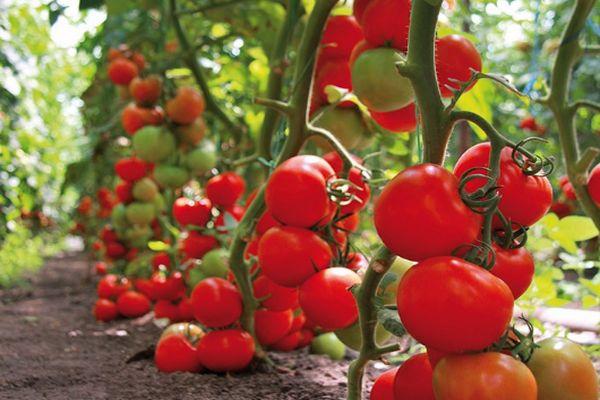
- The fruits of the Jadwiga tomato are quite large, the weight of 1 tomato reaches 200-220 g.
- The fruits are round, smooth, and firm. They have a fairly strong skin, preventing cracking.
- Tomatoes ripen evenly, which makes harvesting easier.
- The tomatoes have a uniform red color and there is no spot around the stem.
- The taste is excellent.
- The tomato is suitable for fresh consumption and for preparing various types of tomato products.
The Yadviga variety has a high yield. On average, up to 14 kg of tomatoes can be harvested from a single bush per season. The fruits withstand long-distance transportation well and retain their marketable appearance. The harvest can be stored for a long time in a cool, dry place.
The characteristics of this type of nightshade show that the plant is resistant to many fungi, especially late blight, verticillium wilt and fusarium race 1.
Take a look Also
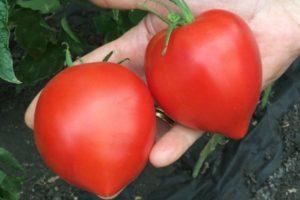
This tomato is grown using seedlings. The seed packaging contains a full description of the Yadviga variety and the manufacturer's recommendations regarding sowing times and transplanting the seedlings into open ground.
Growing rules
Seeds for seedlings are sown in early March. The soil should be light and nutritious, so mix equal parts soil, peat, and sand.
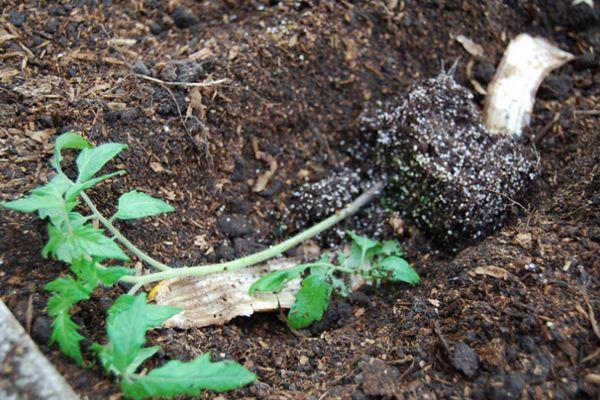
The seedlings are planted in lightly compacted soil, making holes no more than 1.5–2 cm deep. After sowing, the seedlings are watered with warm water through a sieve to prevent the seeds from being washed out of the soil. The container with the planting material is covered with plastic wrap and left in a warm room until the first shoots emerge. Then, the seedlings are moved to a well-lit area, and the plastic wrap is removed.
During the first week, keep the room temperature no higher than 16–17°C. Subsequently, increase it to 20–22°C. Transplant the seedlings when two strong leaves appear. Transplant the plants into separate small containers. Many gardeners prefer to use peat pots right away. When transplanting outdoors, you won't have to remove the plant from its pot or disturb its root system.
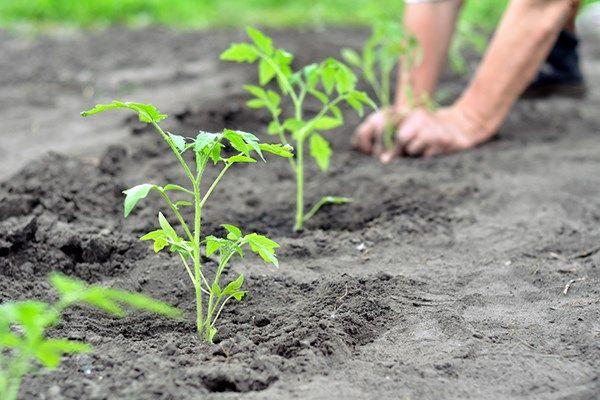
With the first warm spell, the seedlings can be hardened off. To do this, place the container outside for a while.
Seedlings are planted in open ground if the soil has warmed up and the risk of night frosts is not a problem.
The plant can be transplanted into a greenhouse or hotbed if it has already formed 6-7 strong leaves.
The soil in the beds must be nutritious. To achieve this, add humus or a complex mineral fertilizer. Nightshade crops require superphosphates and nitrogen.
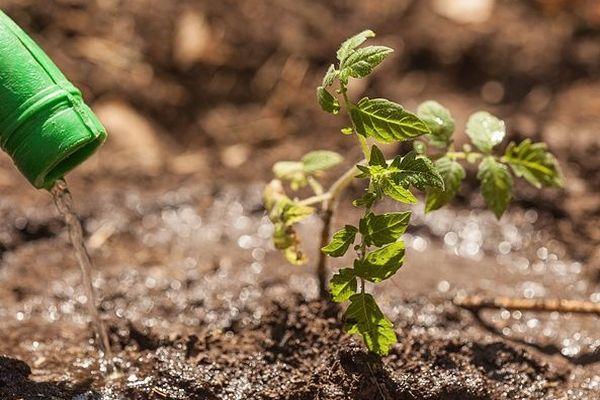
Before planting, the soil is loosened and moistened. The holes are spaced 50 cm apart, with about 60 cm between rows. Up to five bushes are planted per square meter. After planting, the holes must be mulched. It's best to use natural materials for this, such as sawdust, dry mown grass, or hay. Water with settled water. After one week, the seedlings should be fertilized with a complex mineral fertilizer.
The manufacturer indicates that this type of tomato does not require any specific care; it is sufficient to periodically weed the beds, loosen the soil, and water.
Related posts:
 The best grape varieties for growing in the Urals, planting and care rules in summer
 How to properly plant peas in a greenhouse and open ground
 How to propagate and grow peas, cultivation technology, and care in open ground
 Description of varieties of sowing peas and cultivation, to which family they belong
 When and how to properly transplant tomato seedlings, the best days in 2025
 Description and rules for growing Solaris grapes
 How to grow ginger in the open ground at your dacha, planting and care
 Description and cultivation of the 15 best cherry plum varieties for the Moscow region, planting and care rules