The Bull's Eye tomato is an early hybrid variety suitable for greenhouse cultivation. It is considered one of the best cherry tomato varieties; its unique characteristics allow it to produce the maximum number of tomatoes, even in a small greenhouse.
Characteristics and description
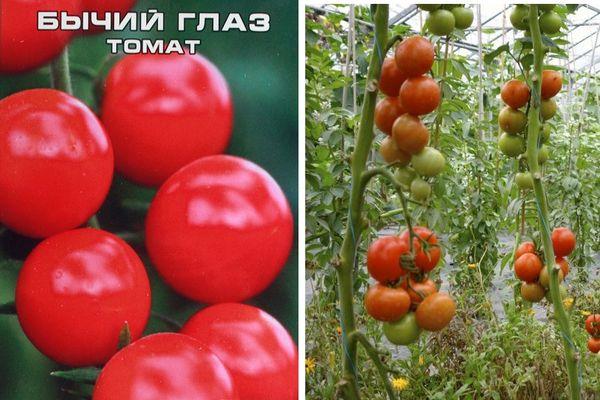
Bull's-eye is a tall, mid-early variety: ripe tomatoes can be harvested 90-95 days after planting. Tomato plants can reach 2 meters in height, so they require pinching and staking. For a good harvest, experts recommend training the plants into 2-3 stems.

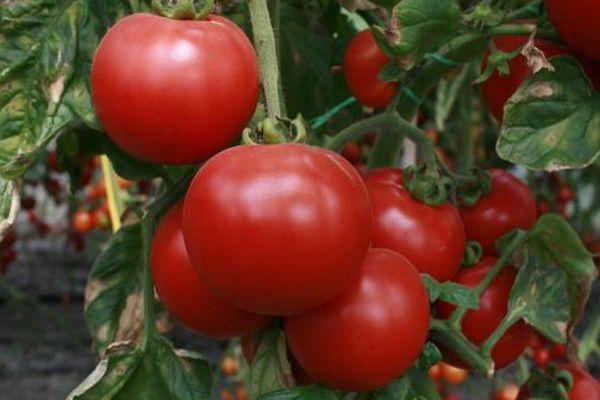
Tomato leaves are normal, bright green, and indistinguishable from other varieties. A single plant can produce up to 12-15 clusters, each bearing 15-20 tomatoes. A single fruit can weigh up to 40 g. The shape of the fruit is round, smooth, and glossy. When ripe, the color of the tomato is red with a dark brown tint.
Soft, juicy, and sweet-tasting, the fruits are perfect for salads and winter preserves. When grown outdoors (naturally), this hybrid yields up to 35 kg of tomatoes per square meter, while in an unheated greenhouse, it yields 10-12 kg. The Bull's Eye variety's characteristics allow it to produce a harvest in all climate zones, with the exception of the Far North.
Advantages and disadvantages of tomatoes
This variety, like most plants in the nightshade family, has its pros and cons. Based on reviews from experienced gardeners, the following positive aspects stand out:
- elastic structure of the fruit, not subject to cracking;
- resistance of the variety to diseases and pests;
- stable yields in large volumes.
The disadvantages of Bull's Eye are:

- The need to tie up each bush.
- Impossibility of transporting over long distances.
- It is impossible to store fruits for a long time.
Planting seeds
To ensure a good harvest, you need to purchase high-quality seeds. If you're unsure which ones are best, consider suppliers who have received positive reviews from trusted sources, such as friends and acquaintances. Wrap the selected seeds in cheesecloth and soak them in a weak solution of potassium permanganate for 30 minutes.
Before planting seeds, you need to select suitable soil. A ready-made seedling substrate, which contains all the necessary components for normal plant growth and development, is ideal for this purpose. Seeds should be planted at a depth of no more than 1-2 cm.
Dive
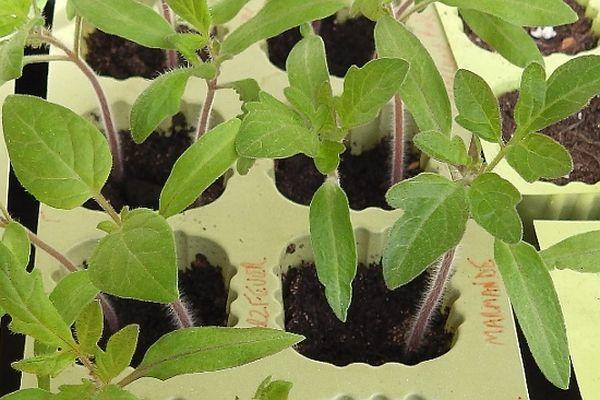
After the first 2-3 leaves appear, the plant should be pricked out. This procedure strengthens the root system and helps the seedlings form a dense stem. After a few weeks, the grown plants should be transplanted into larger containers. After transplanting, the seedlings should be watered with warm water containing a mixed fertilizer.
Transplanting
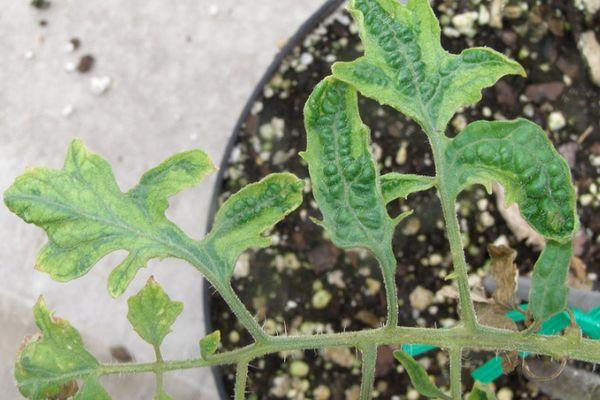
Tomatoes should be planted when the seedlings are two months old. Plants may fail to establish earlier, as indicated by the variety description. Add 1.5 tablespoons of ash to the prepared holes. After this, you can plant the seedlings in the hole up to the level of the first leaf and cover with soil. Seedlings can be planted in a greenhouse from mid-March to early April, and in the open ground in mid-May.
Tomatoes stop growing on their own, but in some cases pinching is necessary. Caring for this variety is not difficult, but you should not ignore the shaping and tying of the bushes.
Related posts:
 Causes and treatment of eggplant pests and diseases, how to combat them at home
 Carrot care guidelines for outdoor cultivation to ensure a good harvest
 Is it possible to grow an apricot tree from a seed in your garden? How to plant and care for it?
 How to properly grow a peach tree from a seed at home, planting and care
 Description of varieties of sowing peas and cultivation, to which family they belong
 How to propagate and grow peas, cultivation technology, and care in open ground
 The best grape varieties for growing in the Urals, planting and care rules in summer
 Planting and caring for cherries, feeding and growing rules