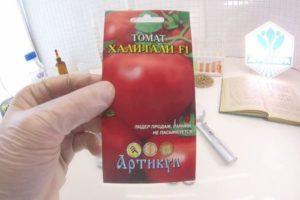
The Khlynovsky F1 tomato variety, whose characteristics and description will help gardeners choose the right one, includes both its advantages and disadvantages. These Russian-bred tomatoes can be grown in greenhouses and open ground. The hybrid was created in 1999 and has since been tested by vegetable growers in various regions.
General description of the plant
The Khlynovsky hybrid is classified as a determinate tomato due to the way its stems develop. Upon reaching a height of 1.5-1.9 meters, the tomato tops itself and no longer produces ovaries. With an average ripening time of 105-115 days from sowing, this characteristic proves beneficial in Russian conditions. Tomatoes that form on the very top trusses will have time to fill out and begin ripening before frost. In the event of poor weather forecasts, growers will be able to harvest the last tomatoes at technical or blanched ripeness.
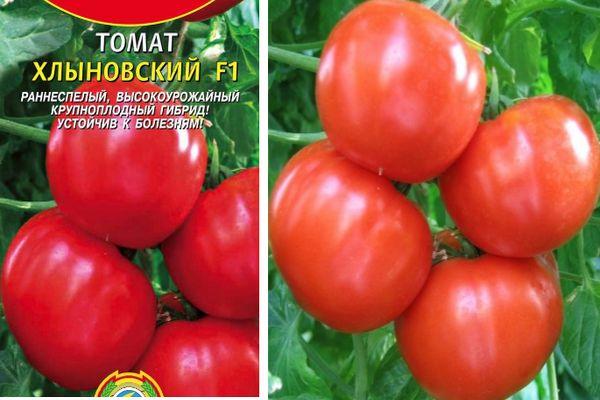
Tall bushes require staking and shaping. Without this, the plant will become dense and will cease to bear fruit. Proper shaping can be achieved by removing side shoots throughout the season. This variety's need for such care can be considered a drawback.
The yield is average. Compared to many modern hybrids, the Khlynovsky F1 tomato may yield less per unit of area. With three plants per square meter, training the plant into two to three stems, and regular pinching, the variety will yield approximately 15 kg of marketable tomatoes per given area. The first harvest can be obtained 105-120 days after sowing.
Khlynovsky tomatoes are genetically resistant to cladosporiosis. They are not affected by verticillium wilt or fusarium wilt, and are immune to tobacco mosaic virus. When late blight spreads, the crop may be partially damaged by the fungus.
To prevent infection, lower leaves should be removed from plants. During unfavorable periods, the plantation is treated with folk remedies and chemicals.
Khlynovsky tomatoes tolerate temperature fluctuations well in the second half of summer and can successfully bear fruit outdoors in central Russia and Siberia. While some tomatoes may not reach full maturity, they ripen well indoors. In a greenhouse, more tomatoes reach biological maturity.
Take a look Also

Fruit characteristics
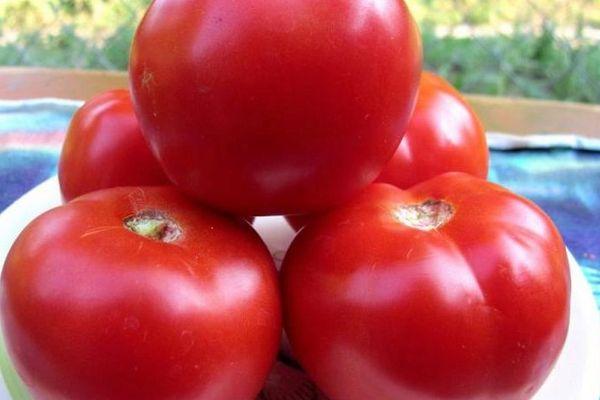
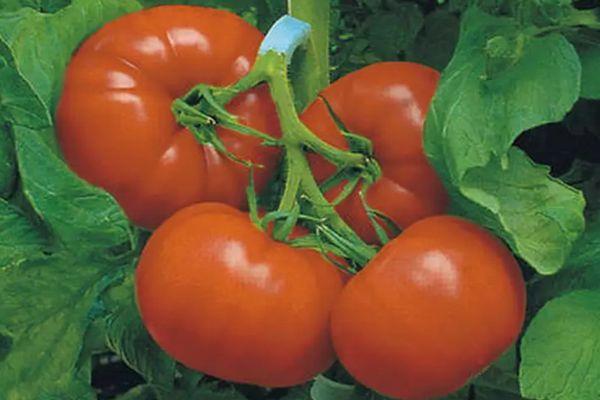
Ovaries form on simple clusters, with 5-7 berries per cluster. The average tomato weighs 200-250 g. Reviews from those who have planted the Khlynovsky hybrid for several years indicate that the fruits can be larger in a greenhouse, reaching 300-350 g. The berries ripen simultaneously on the cluster, but the bush bears fruit for a long time. The tomatoes are rounded, with slight ribbing at the base.
The skin is firm but not rough. Ripe tomatoes transport well and can retain their freshness even during long-term storage. Unripe tomatoes ripen easily at room temperature and can be stored for 1-2 months in the pantry if picked unripe. The tomatoes are bright red when biologically ripe, and light green without a dark spot when technically ripe.
The flesh is dense, meaty, and contains 5-6 small seed chambers. When fully ripe, the consistency is pleasant and tender, not firm, and the fruit is very juicy. The tomato has a classic sweet and sour flavor with a distinct tomato aroma.
These tomatoes are versatile. Early-ripening tomatoes are included in salads and summer appetizers. Beautifully cut tomatoes can decorate buffet tables and festive dishes. Slices are perfect for sandwiches and hamburgers, and the chopped pulp can be used in gazpacho, sauces, and stir-fries.

Tomatoes are small, making them suitable for whole canning. For this method of preservation, it's best to choose tomatoes that are not quite ripe, as they will better retain their texture during cooking. Khlynovsky tomatoes can also be processed into tomato juice or paste, offering a vibrant color and classic flavor. Boiled down pulp is also used as a marinade for winter tomato-based appetizers and tomatoes in their own juice.
How to grow a good tomato crop?
The early-ripening Khlynovsky variety should be sown for seedlings no earlier than 50-60 days before transplanting to a permanent location; otherwise, the seedlings will become elongated and weak. Seeds of this variety will need to be purchased annually, as the first-generation hybrid (F1) does not retain the parent's varietal traits in subsequent seasons. It is not possible to grow your own seeds.

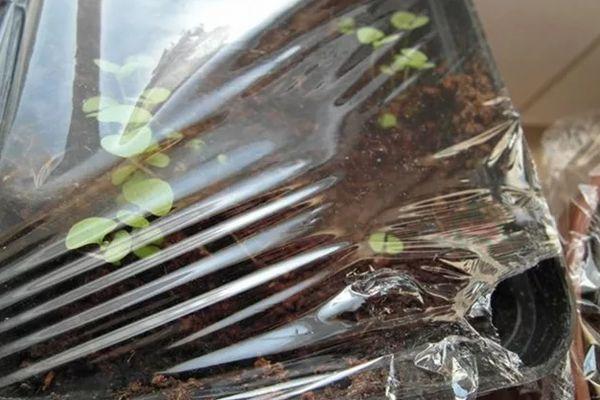
Seedlings are grown in a substrate made of equal parts humus, fertile soil, and fine sand. Add 2 tablespoons of ground eggshells, chalk, or dolomite per 10 kg of soil. Mix the soil and sprinkle it among the containers where the tomatoes will be planted. To disinfect the soil, soak it in a hot solution of potassium permanganate directly in the container. Once it has cooled, you can begin sowing.
Spread the Khlynovsky tomato seeds over the surface of the moist soil and cover with a layer of dry sand. The layer should be no more than 0.5 cm thick. Cover the box with plastic film with holes for air circulation and place it in a warm place for germination. Seedlings may appear in as little as 4-5 days. After this, remove the film.
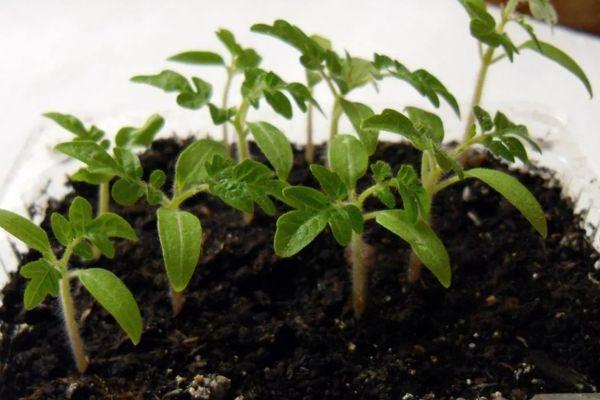
When the seedlings reach 2-3 true leaves, transplant them into individual pots. Care for growing tomatoes consists of regular watering as the soil dries out to a depth of 1 cm. Fertilizing is not necessary.
Prepare the soil in the fall or before planting, adding 10 kg of humus, 1-1.5 kg of dolomite flour, and complex mineral mixtures for nightshade plants (Signor Tomato, Kemira, Agricola, etc.) per square meter according to the product's instructions. Plant tomatoes in a 40 x 70 cm pattern. With proper soil preparation, they do not require additional fertilizer. During fruiting, avoid watering the bushes with organic compounds such as mullein infusion, grass, etc. This can cause excessive foliar growth, which can detrimental to fruit set.
Related posts:
 Description of the best tomato varieties for greenhouses in the Kirov region
 The best eggplant varieties for growing in a polycarbonate greenhouse: planting and care
 Kirov-bred tomato varieties for greenhouse and open-ground cultivation
 Top 40 DIY New Year's Baking Recipes for 2020
 The best grape varieties for growing in the Urals, planting and care rules in summer
 The health benefits and contraindications of black currants
 Methods for planting and propagating cherries at home
 How to control carrot flies with medications and folk remedies