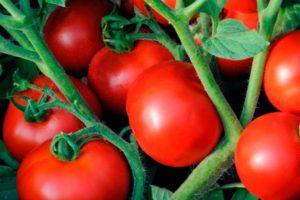
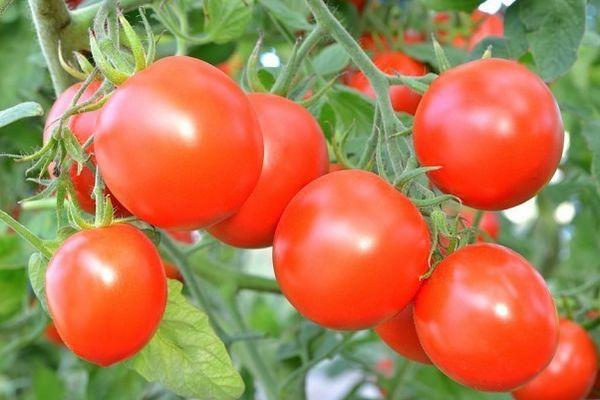
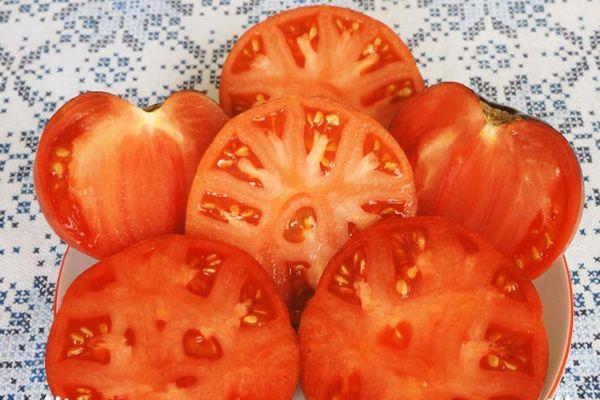
The Krasotka f1 tomato got its name from its beautiful appearance. When fully ripe, Krasatka delights its owners with bright crimson tomatoes. The shape and size of all the fruits are almost uniform. The tomatoes have firm skin that is resistant to cracking, making them resilient to transportation and long-term storage. Fruits weigh 150-200 g.
What is the Beauty tomato?
The characteristics and description of the variety are as follows:
- The tomato ripens in 100-110 days.
- This is a hybrid variety that is resistant to weather conditions and various diseases.
- High yield and good taste are the main characteristics of tomatoes.
- This variety can be grown in any region of our country.
- Tomatoes are planted outdoors in warmer climates, and under plastic cover in colder zones. Temperatures below 16 to 17°C (61 to 63°F) kill the plant.
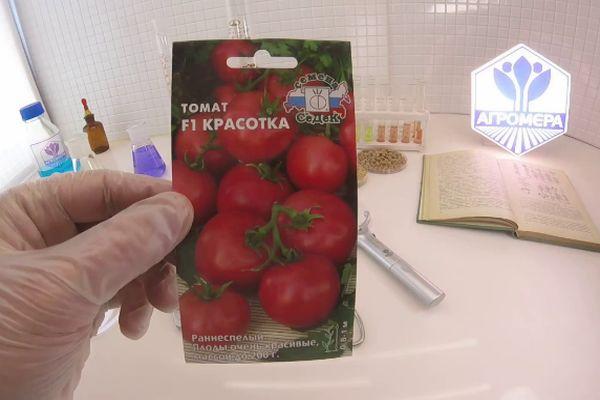
How to grow tomatoes?
How do you grow Krasotka f1 tomatoes? The seeds are ready for planting by the end of March. They are planted in soil containing peat, sand, and ash, or you can purchase a ready-made substrate. Choose a shallow container for planting. The seeds are planted in rows, 3-5 cm apart, at a depth of 1 cm. To speed up germination, the soil is sprayed with water and covered with plastic film. The plastic film is not removed until the first shoots appear.
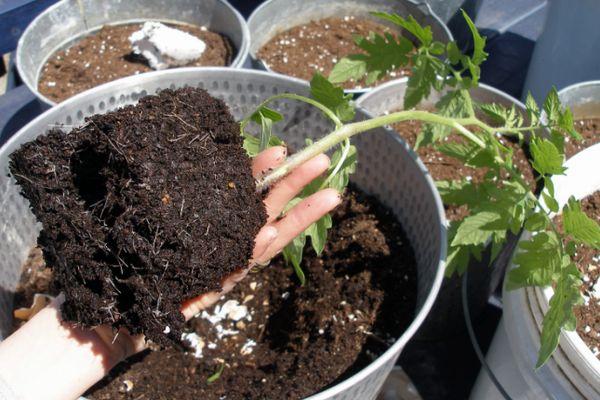
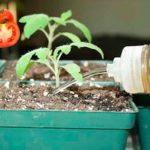
Pricking out is done after 2-3 true leaves have formed. At this stage of development, the plant requires warmth and light. Protect the seedlings from direct sunlight. Instead of watering, it is recommended to mist the soil with a spray bottle once a week.
Hardening off seedlings is an important step, especially if they are being planted outdoors. Two weeks before the planned transplant, acclimate the seedlings to outdoor conditions. To do this, expose them to fresh air daily, initially for a few minutes, and then gradually increase the time.
Take a look Also
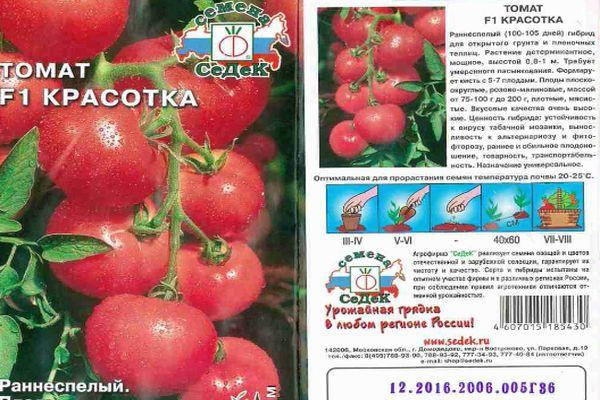
The tomato is a determinate variety. The plant is not very tall, reaching a height of 80 cm. As it grows, the stems are shaped and side shoots are moderately removed. The stem stops growing after 5-6 flower clusters have formed. Since tomatoes have a small root system, 1 or 2 stems are left during shaping. This ensures the fruits receive adequate nutrition and preserve their flavor.
To prevent disease and ensure the bushes feel comfortable, plant them in a single row, 50-60 cm apart. Tying them to supports will provide additional support. Remove lower leaves that touch the ground to facilitate watering and prevent fungal infections.
The soil needs to be loosened periodically. This improves the soil's drainage properties. This should be done very carefully to avoid damaging the roots. Weeds should be monitored closely and removed promptly. Weeds feed on the fertilizers needed for tomato development.
Below, we'll discuss the specifics of fertilizing tomatoes. When the plant begins to bear fruit, the amount of nitrogen in the fertilizer should be drastically reduced or eliminated. This chemical element promotes the growth of green mass, which is absolutely not necessary at the time of fruit filling.
When fruit sets, the plant requires boron, manganese, iodine, and potassium. These nutrients contribute to the plumpness of tomatoes and their high sugar content. You can make this fertilizer yourself by mixing wood ash, boric acid, and iodine.
Reviews of the Krasotka variety are positive. People who have been growing tomatoes for many years recommend paying special attention to soil quality. They believe that soil quality plays a significant role in tomato survival. Overall, gardeners are satisfied with the Krasotka variety. They are especially pleased with its pleasant, sweet flavor.
Related posts:
 Description of the Krasotka grape variety, planting and care technology
 What is the best way to feed tomato seedlings to make them plump?
 What fertilizers and when to use for feeding tomatoes in a greenhouse
 The best and most productive tomato varieties for greenhouse cultivation in the Urals, with descriptions
 What is the best way to mulch tomatoes in open ground and greenhouses?
 How to prepare tomato seeds for planting seedlings
 The best grape varieties for growing in the Urals, planting and care rules in summer
 Methods for planting and propagating cherries at home