The Turbojet tomato is a fast-ripening variety. The plant is easy to grow, so it can be grown anywhere in Russia. This variety is suitable for open ground cultivation. Turbojet tomatoes are used in salads, juices, tomato paste, and preserves. Long-term storage is not recommended; it's best to eat them fresh or preserve them for the winter.
Some information about the tomato
The characteristics and description of the variety are as follows:
- The ripening period of tomatoes from the first shoots to fruits is 70-75 days.
- The height of the bush is 30-40 cm. The stems are strong and thick.
- The leaves are dark shades of green and quite large.
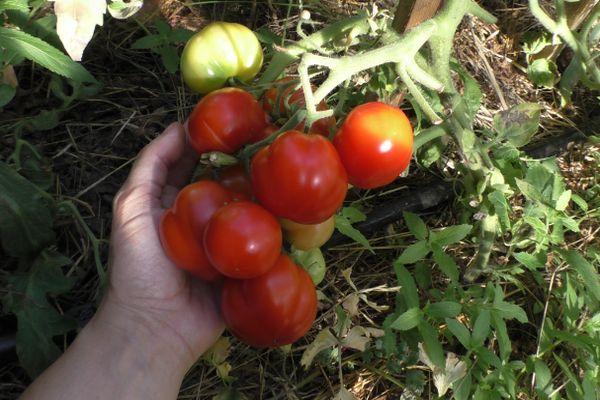
- The fruits are flat-round and red in color.
- The maximum fruit weight does not exceed 0.2 kg, but is typically around 80 g. They have a smooth skin and dense, fleshy pulp. Inside the berry are numerous seeds.
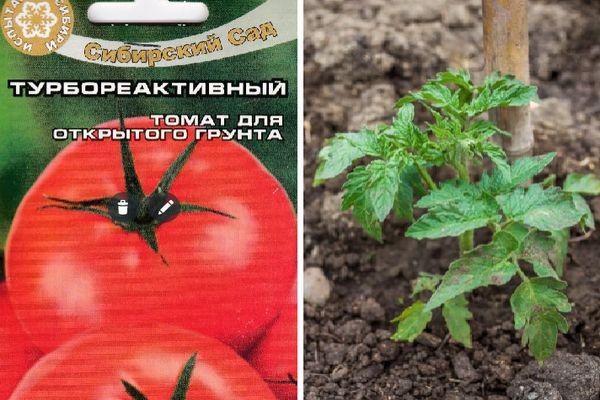
The Turbojet variety yields no more than 1.8-2 kg of fruit per bush. In central Russia and Siberia, it is recommended to grow tomatoes only in greenhouses. In the southern regions of the country, bushes can be planted in open ground only after the soil has warmed up. The best time to plant tomatoes is late May.
Reviews of this variety are positive, as most gardeners appreciate the plant's quick ripening, fairly high yield, and pleasant tomato flavor. Some gardeners manage to grow this plant indoors in flowerpots thanks to its short bush. When growing the Turboreaktivny variety in a warm room, people have managed to obtain fruits with an average weight of 0.1–0.12 kg.
How to grow the described tomato?
The plant is resistant to various viral and fungal infections. Thanks to its rapid ripening, the tomato is highly resistant to late blight. However, when growing this tomato, gardeners should take preventative measures to protect against various diseases. For this purpose, it is recommended to treat the bushes with special chemical solutions.
Seeds are best sown in mid-March in trays filled with soil. The seed should be sown 15–20 mm deep. To allow the seeds to mature, the trays are moved to a room maintained at a temperature of 20–25°C.
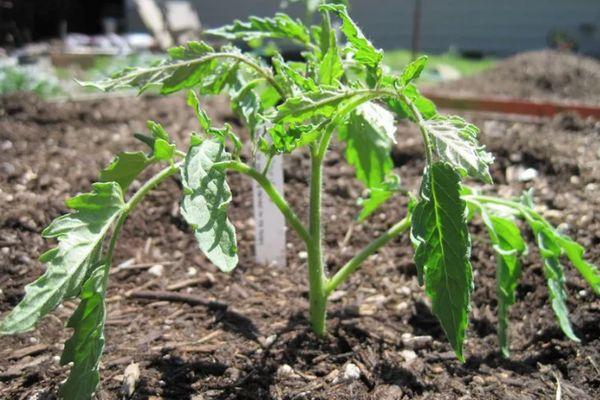
If there's a radiator in the room, place the seed container next to it. After germination, transplant the seedlings. This should be done when the sprouts have developed one or two leaves.
The seedlings are transplanted to garden beds or greenhouses 55-60 days after planting. Tomatoes of this variety thrive in warm conditions, so for a high yield, they are best grown in greenhouses.
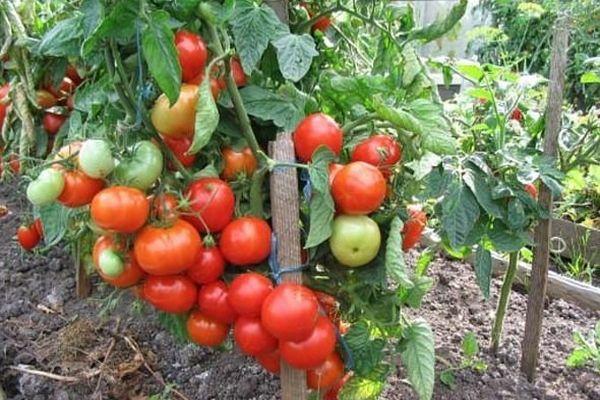
The bushes are planted at a depth of 0.1 m. Organic fertilizers (peat, manure, etc.) should be added to the soil beforehand. The stems are planted in the bed so that they are at least 50 cm apart. Most often, the plants are planted in nests, 0.5 x 0.4 m. Developing side shoots should be removed, otherwise the plant will take up too much space. After the ovaries appear, it is recommended to feed the root system of each bush with a complex fertilizer containing phosphorus and potassium.
The plant should be watered with warm water every day: early in the morning or in the evening, after sunset. Immediately after the soil is moistened, it is loosened and weeded.
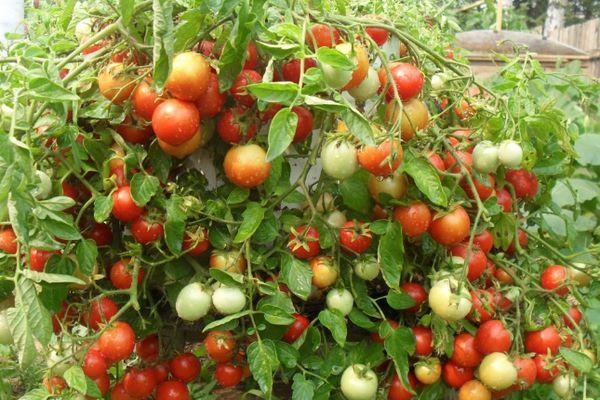
There is no need to tie up the bushes, as the thick tomato stems can support the weight of the fruit. It is recommended to monitor the appearance of garden pests on plant leaves, such as Colorado potato beetles or aphids. To protect against uninvited guests, bushes are watered with solutions of chemicals that kill insects, their larvae and caterpillars.
Related posts:
 The best grape varieties for growing in the Urals, planting and care rules in summer
 Description and characteristics of the best seeds of pea varieties and types
 Methods for planting and propagating cherries at home
 What fertilizers and when to use for feeding tomatoes in a greenhouse
 Rules for growing tomatoes in open ground, choosing a variety, planting and care
 Growing and caring for hazelnuts in open ground, rules for planting hazelnuts
 Description and rules for growing Solaris grapes
 The best methods for growing grapes from seeds at home