
Tomato varieties that thrive in both greenhouses and open ground are in high demand among gardeners. The Kolkhozny tomato is one of the most popular varieties due to its respectable yield.
Characteristics of the variety
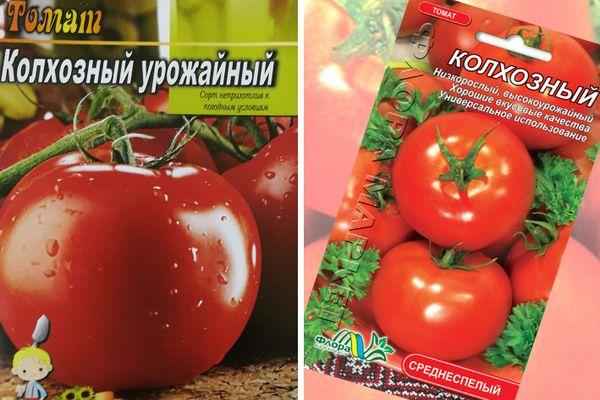
The variety description is of interest to many. This tomato is classified as a mid-season tomato. It easily copes with drought and minor temperature fluctuations. Lush tomato bushes reach 50 cm, and under favorable conditions, 1 m. The Kolkhoznyy Prolific tomato ripens in 95-115 days. The fruits are red, round, and covered with a glossy skin. The taste is sweet and sour, and its weight can range from 90 to 110 g.
The advantages of this variety include:
- high productivity;
- excellent taste (confirmed by reviews);
- disease resistance;
- ease of care;
- stable high yield;
- simultaneous formation and ripening of fruits.
Moreover, tomatoes can be grown using either seedlings or transplants. One drawback of this variety is its tough skin, which not all gardeners appreciate, especially when using the fruit in salads or for juice production. However, this quality of tomatoes becomes an advantage when transporting the variety over long distances. Otherwise, the variety's characteristics are positive.

Seed preparation
To maximize the harvest at the end of the season, preparation is essential. This requires cultivating resilient seedlings capable of growing into large bushes with abundant fruit. Seed preparation involves several stages:
- Selecting seeds. To select good seeds that will ensure maximum yield, fill a glass jar with water and salt and soak the seeds for two minutes. Discard any that float to the surface, and rinse any that sink thoroughly with purified water.
- Disinfection. To prevent seed disease, soak them for 15 minutes in a 1% potassium permanganate solution. Afterward, they can be treated with a growth stimulant. Reviews from growers of this variety confirm the necessity of this procedure.
- Soaking. After disinfection, wrap the seeds in a cloth and place them in a container of warm water. Only half the seeds should be submerged. This process should last at least 10 hours.
- Germination. To ensure early germination (which leads to an earlier harvest), seeds need to be germinated before planting. To do this, place the seeds on a damp cloth until the young shoots emerge. During this period, ensure the room temperature remains above 20°C, and that the cloth does not dry out.
Take a look Also
Time for growing seedlings
Seeds for seedlings should be planted at the end of February in pre-prepared soil consisting of a mixture of river sand, peat moss, and garden soil in equal proportions. Sprouted seeds are placed in furrows, leaving a few centimeters between them, then covered with soil, compacting it slightly.
The soil should be no more than 0.5 cm thick. After this, water the soil gently. Cover the container with glass jars and place it in a dark place, where the temperature should be at least 25°C.
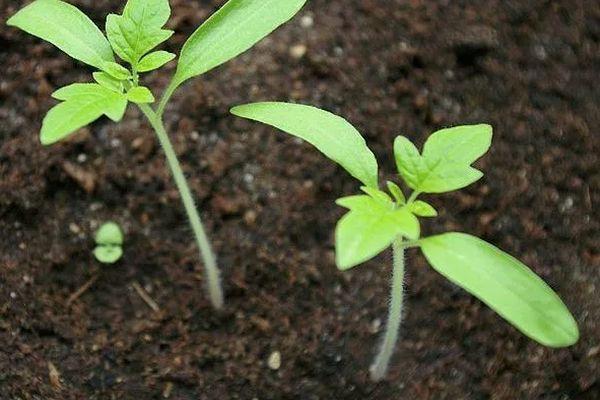
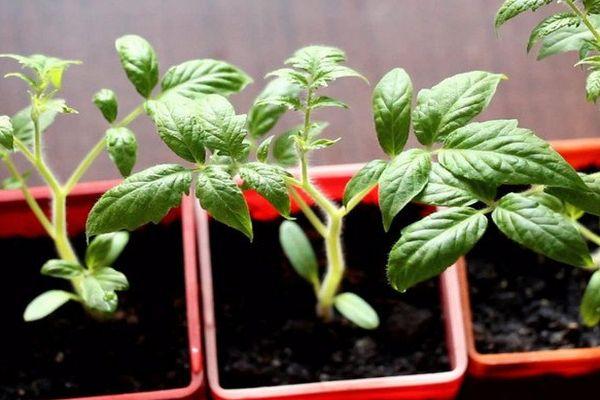
After 6-7 days, when the first sprouts appear, the seedlings are transferred to a well-lit room, and when the first two leaves appear, they are transplanted into separate containers.
Planting in open ground
Transplanting the seedlings into open ground should take place in mid-May. The plot where the tomatoes will grow should be located in a sunny area. It is not advisable to plant tomato seedlings in soil where potatoes, bell peppers and eggplants were grown.
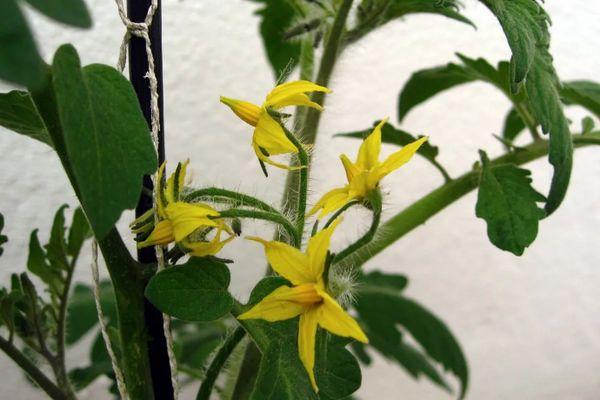
In the selected area, dig holes 80-95 cm apart, as any other spacing will interfere with the growth of the bushes, affecting yields and increasing the risk of plant diseases. This is confirmed by numerous reviews from gardeners.
Related posts:
 Is it possible to soak treated cucumber seeds before planting and how to do it correctly?
 How many days after sowing do tomato seeds germinate? Germination time and conditions
 How to prepare tomato seeds for planting seedlings
 Description and characteristics of the best seeds of pea varieties and types
 Carrot care guidelines for outdoor cultivation to ensure a good harvest
 What varieties of tomatoes are best to plant in a polycarbonate greenhouse?
 How to grow potatoes from seeds at home
 80 Best Eggplant Varieties for Different Regions with Descriptions and Characteristics
