
- Description and characteristics of the Lyana tomato variety
- Appearance
- A little history of selection
- Productivity and fruiting
- Suitable region and climate
- Resistance to diseases and pests
- Advantages and disadvantages
- Planting Features of the Liana Tomato
- Planting seedlings
- After what crops should tomatoes be planted?
- Tomato transplant
- Aftercare of tomatoes
- Watering rules
- Fertilization
- Bush formation
- Pest and disease control
- Harvesting and Purpose of Tomatoes
- Conclusions about the Liana variety based on reviews from gardeners
The early-ripening tomato variety Liana is prized for its consistent fruit production and juicy fruits. This variety boasts excellent flavor and versatility.
Description and characteristics of the Lyana tomato variety
The pink and raspberry varieties of the Liana tomato have become popular among gardeners. This variety has a number of comparative characteristics that distinguish it from other tomatoes.
Appearance
These low-growing, compact bushes reach a height of 50 cm. They are characterized by dense foliage and moderate branching. Their growth habit is determinate, requiring stem training. The leaves are miniature and rich green.
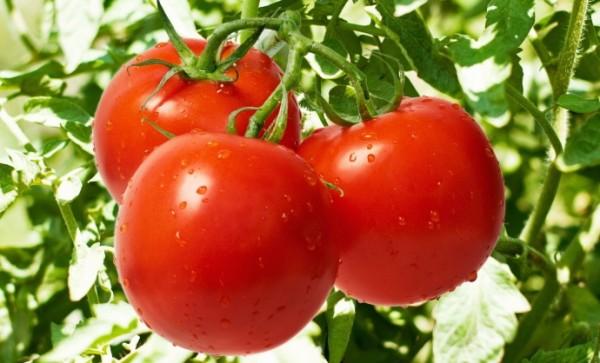
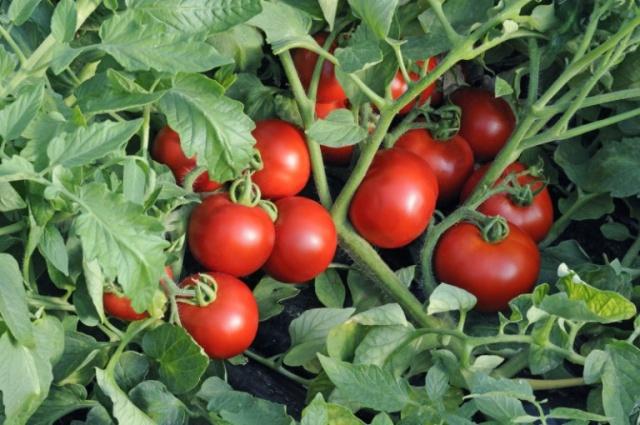
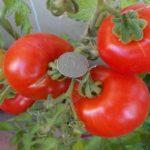
Ripe fruits acquire a rounded shape, bright red skin, and compact size. The average weight of the vegetables is 60-80 g. The flesh is dense and juicy, with a seed content of no more than 0.3%.
A little history of selection
The Liana variety was discovered as a result of research at the Transnistrian Research Institute of Agriculture and was officially included in the State Register in the late 1990s.
The main producer of tomatoes is the agricultural enterprise "Sedek".
Productivity and fruiting
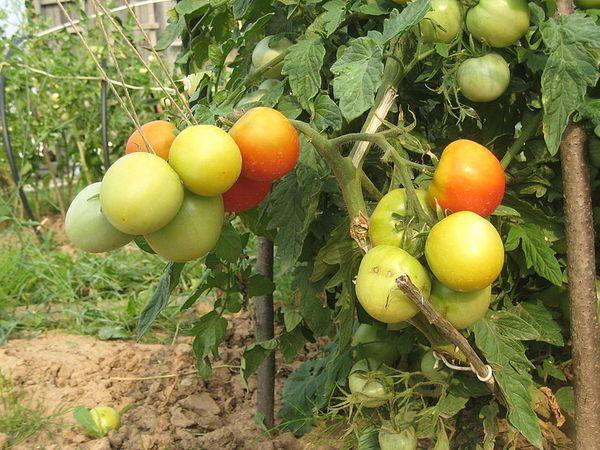
With a favorable climate and proper care, a single bush can yield 2-4 kg of fruit. The fruits begin to ripen 85-95 days after the first shoots appear. If grown in Siberia, the ripening period is 110-115 days. Fruiting continues until the first cold snaps of autumn.
Suitable region and climate
Liana tomatoes are suitable for growing in the East Siberian and Central regions of the country. They are considered heat-loving, so in the southern regions, seeds can be planted outdoors. In Central Russia and Siberia, greenhouses are recommended. However, the Liana variety is not sensitive to short-term temperature fluctuations.

Resistance to diseases and pests
Tomatoes have a high resistance to blossom-end rot, dry spot, and bacterial spot. To a lesser extent, the plants are susceptible to late blight and septoria leaf spot. Under unfavorable climate conditions and improper care, there is a risk of infection by the tobacco mosaic virus.
Advantages and disadvantages
The only drawback of the Liana variety is its susceptibility to certain diseases and attacks by harmful insects. Positive characteristics include:
- early ripening;
- universal purpose of the crop;
- good transportability;
- high nutritional value and taste;
- stable yield.
Planting Features of the Liana Tomato
When choosing the Liana tomato variety for cultivation, several factors must be considered. To ensure a large harvest, you'll need to prepare and treat the seedlings, plant the seedlings correctly, consider the previous crops, and transplant the plants to their permanent location in a timely manner.
Planting seedlings
Before sowing seedlings, the seeds are inspected to remove any defective specimens. Selected seeds are soaked in a potassium permanganate solution for 5-10 minutes to disinfect and kill bacteria. After treating the seeds, they are placed in separate containers with soil mixed with peat. The seeds are sprinkled on the soil surface and covered with a thin layer of soil.
Seedlings are usually sown in early spring. In warmer climates, planting can be done as early as February. Fertilizers are applied to promote vigorous growth.
After what crops should tomatoes be planted?
Properly selected precursors promote vigorous growth and stable yields. The Liana tomato variety thrives in areas previously planted with peas, cabbage, beans, radishes, garlic, and onions. These crops enrich the soil with the nutrients necessary for proper tomato ripening.
Tomato transplant
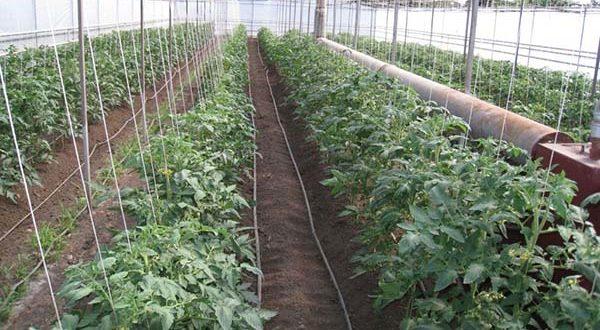
After 50-60 days from planting, the seedlings can be transplanted to their permanent location. The Liana variety is suitable for growing outdoors and in greenhouses. Transplant according to a 60 x 70 cm pattern. If transplanting seedlings to the garden beds earlier, when the ambient temperature is unstable, it is recommended to use protective covers made of polyethylene film.
Despite the variety's resistance to temperature fluctuations, additional shelter will help tomatoes adapt to new conditions and thrive.
Aftercare of tomatoes
To achieve a bountiful harvest, simply follow basic care guidelines. Lyana tomatoes require regular watering, fertilizing, stem training, and protection from infections and pests.

Watering rules
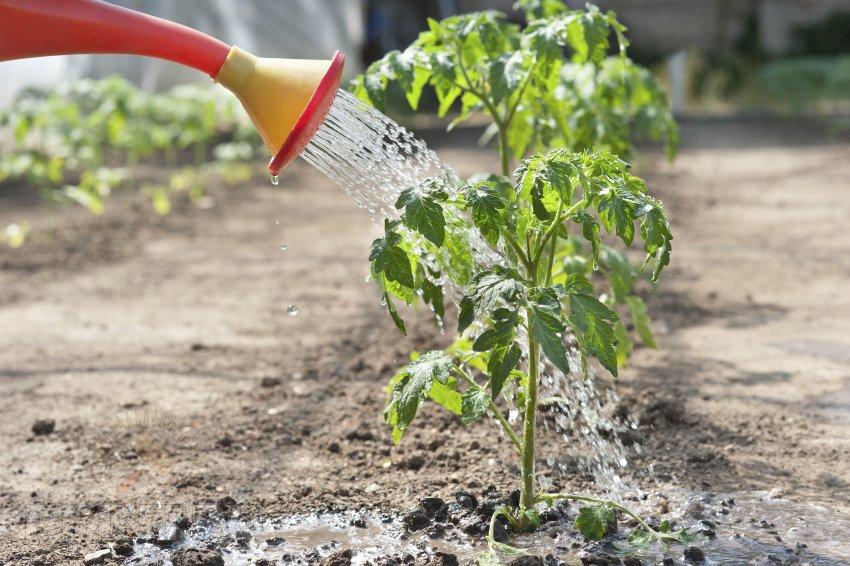
Tomatoes grow actively and produce large fruits if the soil is saturated with moisture by 85-90%. It's recommended to regularly inspect the soil and water it when it dries out. To check, squeeze a lump of soil in your hand; if it forms easily, the soil moisture level is optimal. Both excessive and infrequent watering can reduce the yield. On average, tomatoes need to be watered once a week, but the frequency may vary depending on precipitation and ambient temperature.
Fertilization
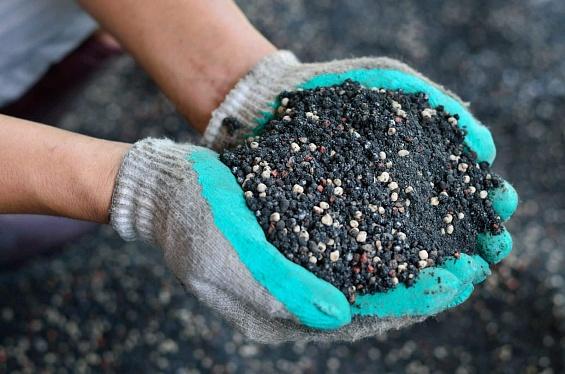
When grown in a greenhouse, 2-3 additional feedings per season are sufficient. Complex mineral fertilizers are used for this purpose. If tomatoes are planted outdoors, an additional 3-4 foliar feedings using standard growth stimulants are required.
Bush formation
The process of shaping the bush involves pruning off growing side shoots. Pinching off side shoots allows for early harvesting. Typically, when growing the Liana tomato variety, 1-2 main stems are left, and all new side shoots are regularly removed. If a large harvest is desired and late fruiting can be expected, a large number of additional shoots can be left.
Pest and disease control
The most dangerous disease for the Liana tomato variety is tobacco mosaic. The disease's progress can be detected by the formation of distinct dark and light spots on the leaves. Insufficient light is often the cause of the infection. If the plants are severely affected, they cannot be saved, so the plants must be destroyed.
To prevent the spread of the disease, treat the plants with a boric acid solution and provide additional lighting. If signs of other infections are detected, spray the plants with fungicides.
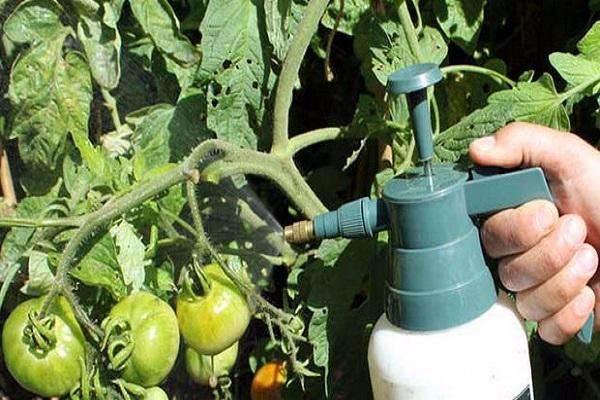
To combat harmful insects, the bushes are treated with insecticides. You can also water the beds with a soap solution or an infusion of onion peels and garlic. Larger pests are removed from the soil by hand.
Harvesting and Purpose of Tomatoes
One of the distinctive features of the Liana tomato variety is its uniform fruiting. Most of the fruits ripen quickly, so harvesting is quick. Ripe fruits are carefully picked from the bush and eaten fresh, or used for canning, processing, and in various dishes.
The harvested crop can be stored. The fruits can be refrigerated if packaged in plastic bags. A cool, dark cellar is also suitable. To prevent tomatoes from rotting, inspect them for any affected specimens, then arrange the selected vegetables in two or three layers in wooden crates.
Conclusions about the Liana variety based on reviews from gardeners
Alina Mikhailovna: "I always plant different varieties, and last season I encountered Liana tomatoes. I read reviews from people who had planted this variety before, so I took into account the nuances of disease control. As a result, the tomatoes grew healthy, and I harvested about 30 kg."
Vasily Fedorovich: "I've grown this variety before, so I'm familiar with its characteristics. To make care easier, I plant the seeds first as seedlings and then transfer them to the greenhouse."
Related posts:
 Description of the best varieties of black tomatoes for open ground and greenhouses
 15 simple recipes for pickling tomatoes in jars for the winter
 Description of the best Dutch tomato varieties for greenhouses and open ground
 The best grape varieties for growing in the Urals, planting and care rules in summer
 Description of blight-resistant tomato varieties for open ground and greenhouses
 Description and characteristics of the sweetest tomato varieties for greenhouses and open ground
 Description and characteristics of non-stepsoning tomato varieties for open ground and greenhouses
 What varieties of tomatoes are best to plant in a polycarbonate greenhouse?