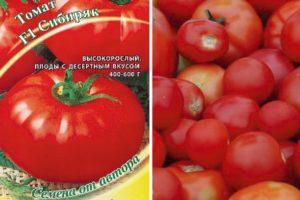
Gardeners are interested in how to grow the Early 83 tomato, the characteristics and description of which they found on online forums. This variety was developed by Moldovan breeders for cultivation in the south of the country back in 1983 (hence the "83" in the name). Therefore, the variety shares the characteristics of tomato varieties that ripen quickly and produce a bountiful harvest in open ground. Consumer reviews indicate that the Early 83 tomato variety is resistant to most diseases that affect nightshade crops.
Description of tomato
Those who have planted the Early-83 tomato variety note its excellent consumer qualities, high shelf life, and transportability. Because it thrives in warm weather, it can be grown in the North Caucasus, Moldova, and Kazakhstan.
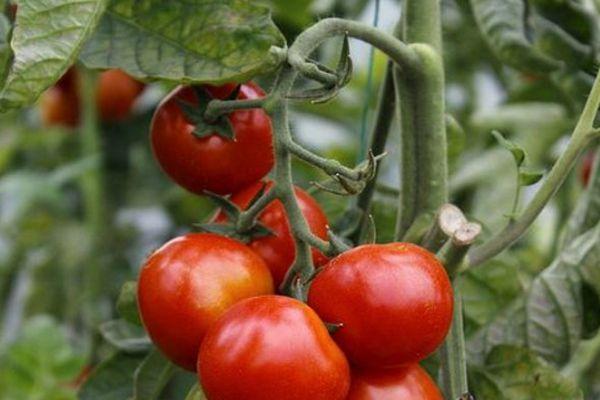
Early ripening allows you to harvest your first tomatoes 95-105 days after sowing the seeds for seedlings. This depends on the climate of the particular tomato-growing region.
Higher yields are also observed when seedlings are planted in film shelters or greenhouses, where the plants thrive.
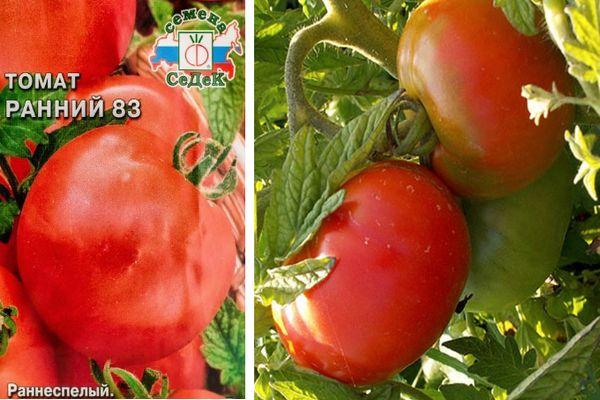
Characteristics and description of the variety:
- The plants are not tall, their height varies from 40 to 60 cm.
- Bushes with medium foliage.
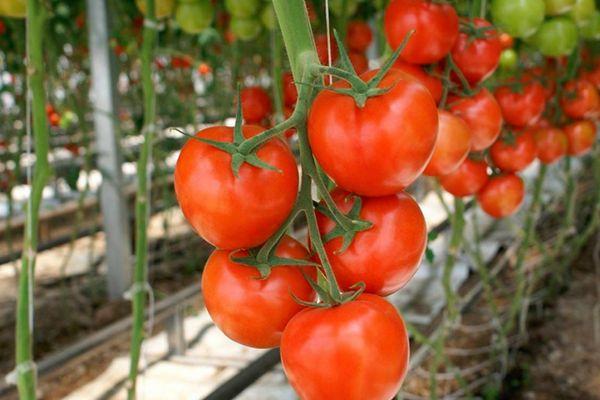
- During the growing season, 4 to 5 clusters are formed on the bush, each of which produces 6-8 fruits.
- The weight of each tomato varies from 80 to 100 g.
- From a plot of 1 m² you can harvest 7.5-8 kg of tomatoes of the Early-83 variety.
- The fruits are flat-round in shape, with slight ribbing at the base.
- The color of the Early-83 tomato variety is bright red, while unripe fruits are light green.
- The pulp is juicy and dense.
- The taste of the fruits is sweet and sour, tomato-like, pleasant.
Gardeners and summer residents say that the Early-83 tomato variety is used for marinades, pickles, and fresh salads. It also makes delicious tomato juice, puree, sauces, and pastes.
The variety is resistant to diseases, including late blight. It's also resistant to insects such as mole crickets, whiteflies, and other pests.

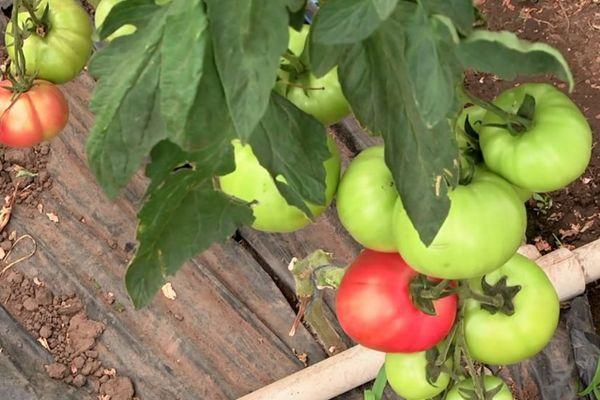
Advantages of the Early-83 variety:
- The fruits ripen at the same time, which allows you to harvest at the same time.
- Can be grown in open ground with cover during the cold season.
- Tomatoes contain a large amount of dry matter.
- Inside tomatoes there are several seed chambers, each containing a moderate number of seeds.
- The universal nature of the variety, which is distinguished by high productivity in open ground and in greenhouses.
- The small size of both the seedlings and the fruits allows for the cultivation of several bushes simultaneously in one area, and for the preservation of whole tomatoes.
- The skin of the fruit does not crack either during ripening or during transportation.
- Easy to care for.
- Tomatoes picked from the bushes can be stored for a long time in boxes.
How to grow tomatoes?
Growing seeds for seedlings can be done both in open ground and in pots. The former method is best used if there is no risk of frost in early April and the soil temperature allows planting without risk of damaging the seeds. Before planting, the seeds are disinfected with a weak solution of potassium permanganate and then rinsed with warm water.
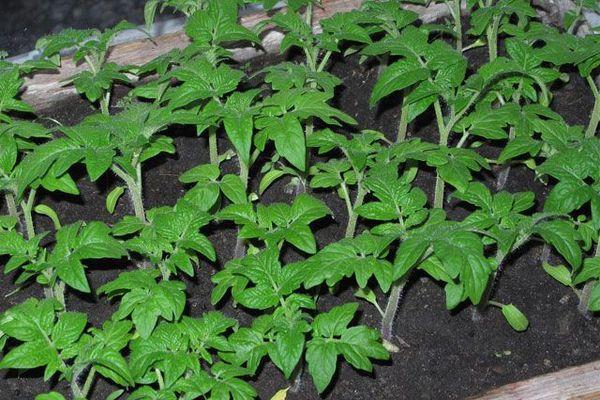
Pricking out is done when the bushes have two true leaves. The seedlings are transplanted into the ground when they are 70 days old. Before planting, harden off the seedlings by placing the pots on the balcony for a few hours.
Bushes of the Early-83 variety can be planted in a greenhouse earlier.
On a plot of 1 m², plants are planted in a checkerboard pattern. The distance between seedlings should be 40 cm.
To obtain a high-quality harvest, the bushes require proper care, which includes:
- Watering at the roots.
- Fertilization.
- Weeding.
- Loosening.
- Treatment with special solutions as a preventative measure will strengthen the plants' immunity.
Side shoots are either removed or not. The bush is formed into 1-2 stems. If side shoots are not removed, the yield will decrease slightly. The fruits will also be smaller. Bushes should be staked only when the clusters have developed a large number of fruits.
Related posts:
 Description of the best varieties of black tomatoes for open ground and greenhouses
 80 Best Eggplant Varieties for Different Regions with Descriptions and Characteristics
 The best grape varieties for growing in the Urals, planting and care rules in summer
 What varieties of tomatoes are best to plant in a polycarbonate greenhouse?
 Description of 30 varieties and types of Muscat grapes, planting, cultivation and care
 Description and cultivation of the Violet Early grape variety
 Description of the 90 best varieties of beans for open ground with names
 Description of the Kyiv Early peach variety, planting and care instructions