The Admiralteysky tomato can grow in unfavorable climatic conditions in open ground. Gardeners harvest their first crop in early July, and the harvesting season is fully completed by mid-August. This tomato variety was developed by breeders in St. Petersburg.
Some information about the plant and its fruits
Characteristics and description of the Admiralty variety:
- The tomato's growing season lasts from 85 to 97 days. It can be grown in open ground, under plastic covers, or in greenhouses made of any non-woven material.
- The plant's bushes reach a height of 0.6-0.7 m. It's important to know that this tomato tends to produce a large amount of foliage. The leaves on the bushes are small, colored in dark shades of green. There are small spaces between the leaf blades. The leaves emerge in two waves.
- Tomatoes "Admiralteysky" are resistant to late blight and are not susceptible to gray mold or cladosporiosis.
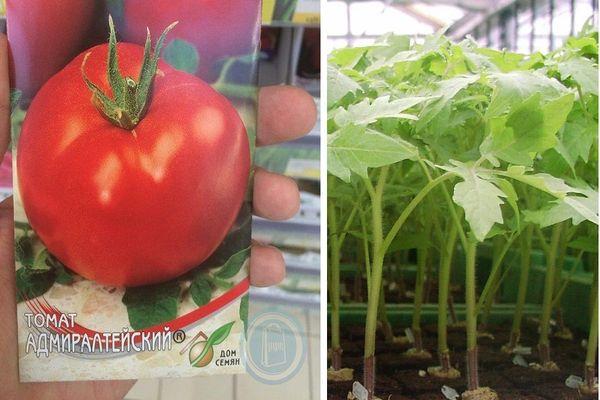
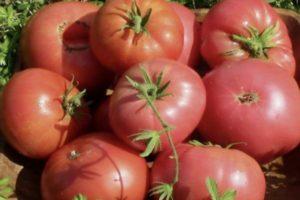
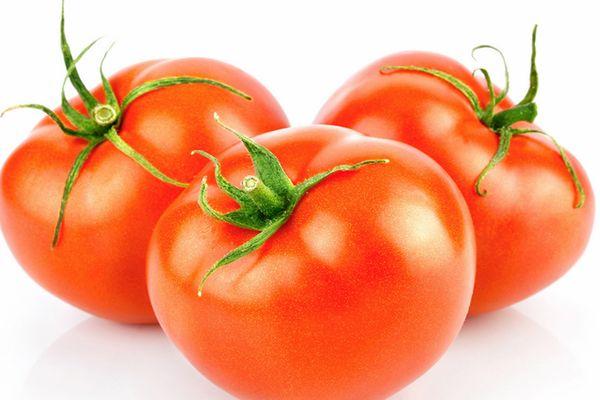
- The fruits of this variety weigh between 0.2 and 0.21 kg. They are characterized by firm flesh. Unripe berries are green, while ripe ones are red.
- This tomato variety has a spherical shape, flattened at the stem and top. The berries have slight ribbing.
- This type of tomato has a thick skin and a sweet, slightly acidic flavor.
Gardeners' reviews indicate that the "Admiralteysky" variety yields up to 7-8 kg/m². When growing it, it's important to consider the need for bush formation and adhere to all agricultural practices; otherwise, the yield may decrease by 25-30%.
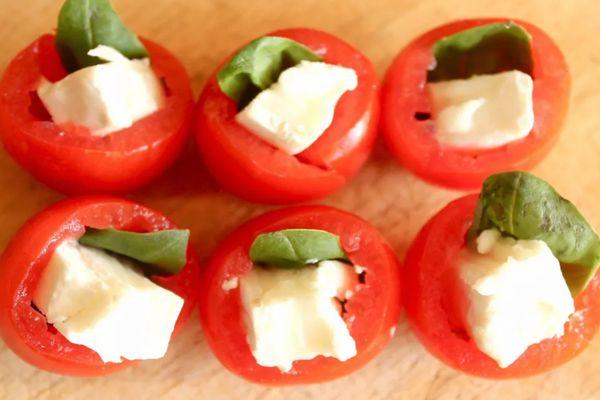
The Admiralteysky variety is used for canapés and salads. The advantage of this variety is that the tomatoes do not crack during cooking, and their flesh does not spread when cut. The fruits of this variety are suitable for canning assorted dishes and can also be used to make high-quality juices and tomato paste.
How to grow Admiralty in your garden
To grow these tomatoes, seeds for seedlings should be sown no earlier than the last week of March. After sprouts emerge, the seedling trays are placed in a cool, well-lit room. The sprouts require 16 to 18 hours of daylight. A special lamp is used for this purpose. After two leaves emerge, all seedlings are pricked out.
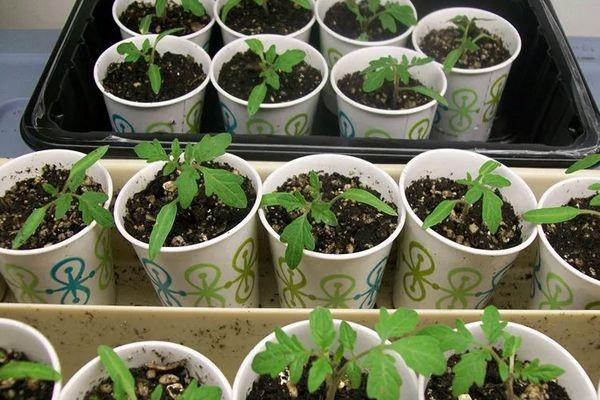
This tomato doesn't like excess moisture, so it's important to strictly regulate the amount of water used for irrigation. After the seedlings reach a height of 7-8 cm, it's recommended to harden them off. Young seedlings are transplanted to permanent soil at an air temperature of 20°C, after adding mineral fertilizer to the soil. No more than 4-5 plants should be planted per square meter of garden bed.
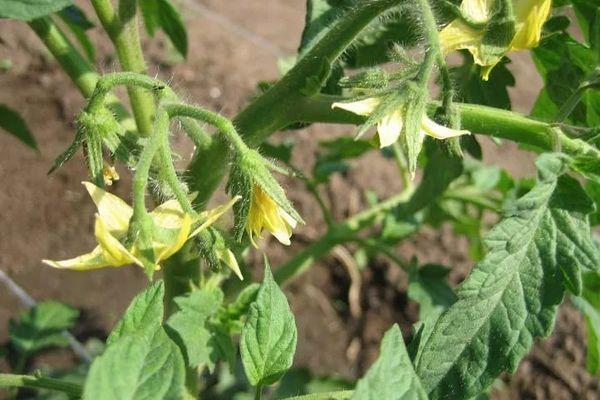
Growing bushes need to be watered once every two weeks, but each bush requires up to 7 liters of warm water. When planting, form two stems. Side shoots must be removed. Since the fruit is quite heavy, it is recommended to tie the stems to sturdy supports.
Fertilize the bushes with complex mineral fertilizers when berries are setting and ripening. Potassium nitrate and superphosphate are most commonly used. To prevent excessive leaf formation, strictly adhere to the fertilizer application schedule.
 If the fruits have begun to ripen, but climatic conditions worsen (for example, a sharp cold snap is expected), then you can begin harvesting. The fruits must be placed in a dark pantry to ripen.
To prevent the risk of disease, it is recommended to treat tomatoes with antiviral and antifungal agents. If garden pests appear, spray the leaves of the bushes with appropriate pesticides that kill insects and their larvae.
Related posts:
 The best eggplant varieties for growing in a polycarbonate greenhouse: planting and care
 Description and characteristics of the best seeds of pea varieties and types
 Rules for growing tomatoes in open ground, choosing a variety, planting and care
 Why potatoes aren't growing well in the garden, and what to do to ensure a bountiful harvest
 The benefits and contraindications of lentils for the human body
 The best grape varieties for growing in the Urals, planting and care rules in summer
 Description of the Velika grape variety, cultivation and care tips
 80 Best Eggplant Varieties for Different Regions with Descriptions and Characteristics