
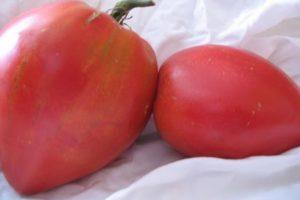
The Portuguese Dacosta tomato is one of the first to ripen among tall, large-fruited varieties. These tomatoes are characterized by gradual ripening, intense pink color, and excellent flavor.
Advantages of the variety
The Dacosta tomato variety (Portugal) is a rare tomato, characterized by a medium ripening period and high yield. This variety is recommended for cultivation in greenhouses and open ground.
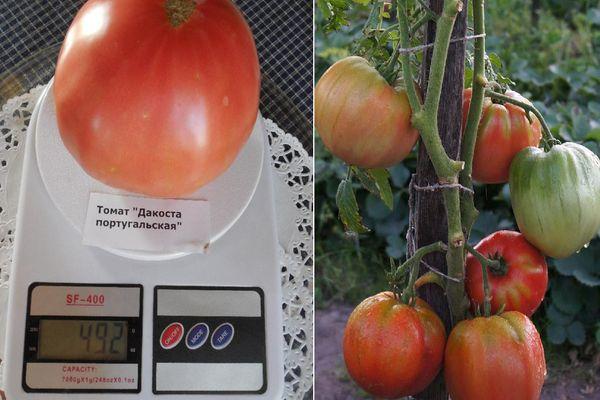
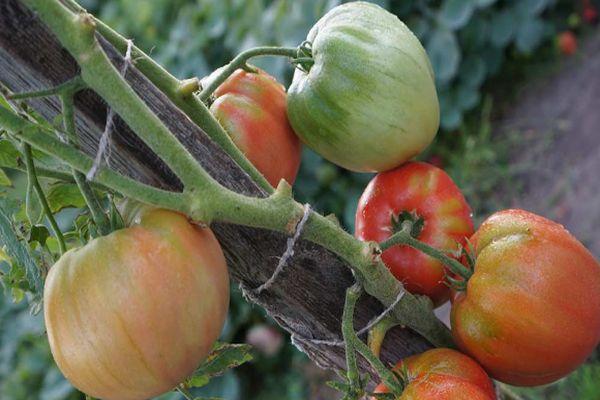
An indeterminate bush, reaching a height of 150-200 cm, requires additional support and the removal of excess shoots. High productivity is achieved by cultivating the plant in two stems.
The fruits are lightly ribbed and flattened, rounded. When cut horizontally, chambers containing a small number of seeds are visible. Fruit weight is 500-800 g.
The variety's description focuses on its flavor. The tomatoes are intensely pink, with thin skin and juicy, sweet flesh.
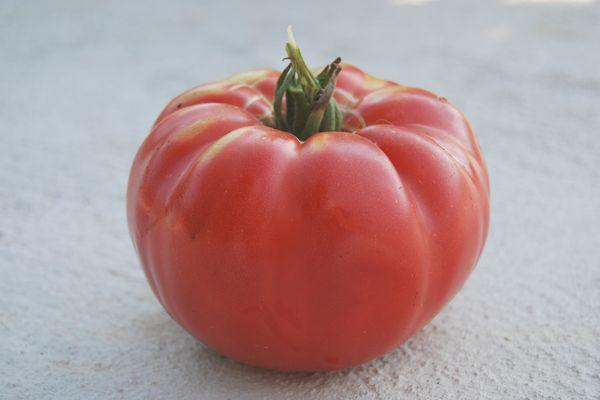
Reviews from gardeners growing the Dacosta variety indicate that the tomatoes are characterized by a stable yield and are suitable for fresh consumption and ketchup making.
Dacosta tomatoes are characterized by the highest quality category. The fruits are characterized by uniform color, size, and ripeness. The tomatoes are free of mechanical damage and sunburn.
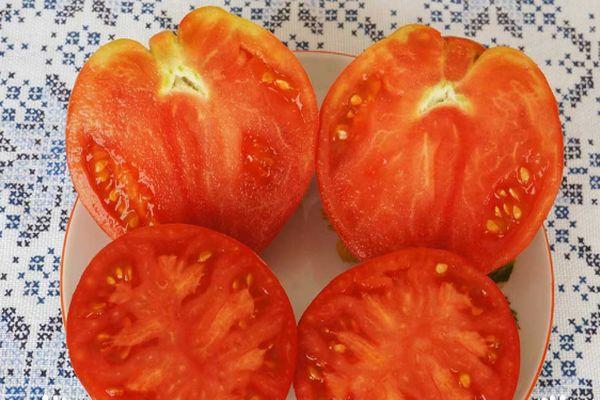
Cultivation techniques
This indeterminate variety is ideal for greenhouse cultivation, as under comfortable conditions the plant can grow for a long time and produce a significant number of flower stalks.
It's important to consider the timing and conditions of planting seedlings. For normal root development, soil temperatures must reach 10°C. It's recommended to plant 2-3 plants per square meter.
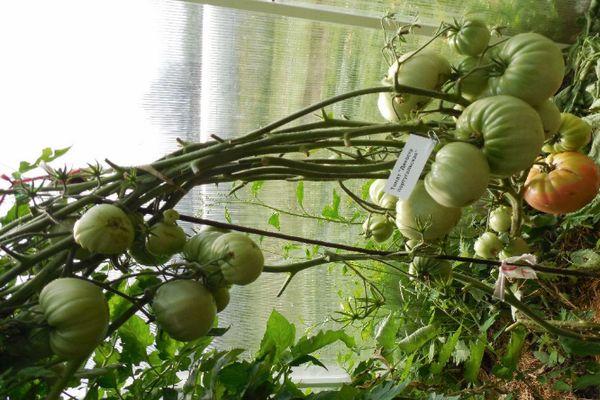
After planting in the ground, 7-10 days later, the bushes are tied to a support or vertical trellis. To do this, string a rope through the trellis and wrap it around the bush through two leaves. As the plant grows, the main stem is braided around the rope.
To ensure fruit set, temperature control is essential. During the fruiting period, temperatures of 20–23°C during the day and 16°C at night are required. If the crop is overheated, the pollen becomes sterile and incapable of fertilizing flowers.
For better pollination, it is recommended to shake the flower stalks 1-2 times a week. Low temperatures negatively affect plant development. Tomatoes are most sensitive during the flowering period.
To achieve high yields per bush, adherence to agricultural requirements is essential. Particular attention is paid to root system development. It is recommended to monitor the moisture and air balance around the roots.
To prevent the soil from drying out, mulch with non-woven black fiber. Using hay, straw, and leaves as mulch provides an additional source of organic nutrition for the bushes.
Overwatering is dangerous for tomatoes. It promotes the development of fungal diseases (late blight, cladosporiosis, gray mold, and bacterial black spot).
Typically, the plant is grown on a single stem, with care taken to remove excess shoots promptly. To increase fruit weight, it is recommended to regulate the number of flower stalks.
Tall tomato bushes require additional nutrition, so every 2-3 weeks, complex fertilizers are applied to the roots according to the manufacturer's instructions. For normal plant development, preparations containing potassium, phosphorus, copper and zinc compounds are used.
Gradual ripening of the crop requires periodic picking of ripe fruits from the bush. Timely harvesting and removal of damaged fruits accelerates the ripening of the remaining tomatoes.
Related posts:
 80 Best Eggplant Varieties for Different Regions with Descriptions and Characteristics
 Methods for planting and propagating cherries at home
 The best grape varieties for growing in the Urals, planting and care rules in summer
 The best eggplant varieties for growing in a polycarbonate greenhouse: planting and care
 The best and most productive tomato varieties for greenhouse cultivation in the Urals, with descriptions
 Growing and caring for hazelnuts in open ground, rules for planting hazelnuts
 Description and rules for growing Solaris grapes
 The best methods for growing grapes from seeds at home