
The Prince Silver F1 tomato is characterized by high yields and large berries. The variety is resistant to various tomato diseases. Prince Silver tomatoes have excellent presentation and excellent flavor. They can be transported over long distances. They are grown in greenhouses or in the open field.
Technical data of the plant
The characteristics and description of the Prince Silver variety are as follows:
- The height of the tomato bush reaches 200-250 cm. The plant's leaves are medium-sized and dark green.
- The period of full ripening from planting seedlings to obtaining ripe berries is 90-100 days.
- The first brush usually forms from 8 to 10 berries, and all subsequent similar formations produce from 5 to 7 fruits.
- Due to the large height of the bush and the development of heavy berries on it, the tomato branches must be tied to supports, otherwise they may break off.
- Many gardeners form bushes into one stem, but you can also form the plant into two stems.
- The fruit is spherical in shape, slightly flattened at the top and bottom.
- An unripe tomato is green and brown, while a ripe fruit is red. It has a sweet taste.
- The average fruit weight ranges from 0.2 to 0.3 kg. Gardeners report that tomatoes weighing 0.4 to 0.5 kg can be obtained if all agricultural practices are carried out correctly and in a timely manner.
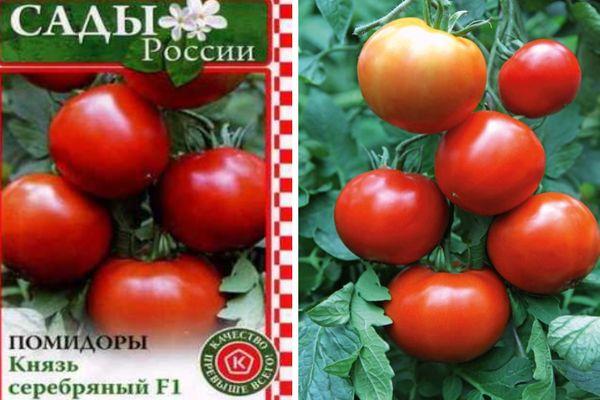
This variety has a fairly high yield—50 tons per hectare. It's eaten fresh, added to various dishes and salads, and used to make juices, sauces, and tomato paste. Because it has a long shelf life and withstands long transportation, it's a popular choice for retailers. When grown in a greenhouse, this variety has a shorter growing season of 7-8 days.
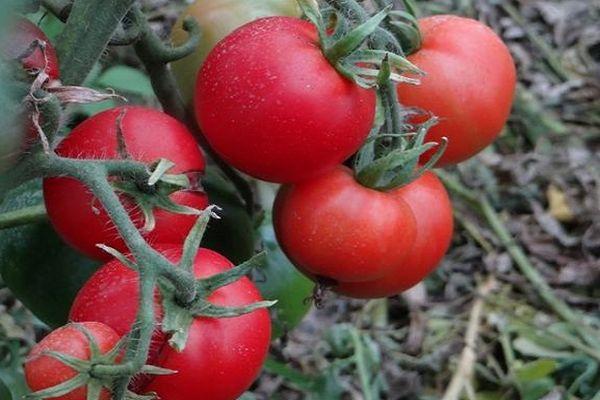
In open ground, Prince of Silver thrives in southern Russia. In temperate climates, unheated plastic greenhouses are recommended for cultivating this variety. In Siberia and the Far North, gardeners should use greenhouse complexes with good heating.
Growing in a private garden
Seeds are purchased at specialty stores. Before planting, they are treated with aloe vera juice or a weak solution of potassium permanganate to increase the seedling's resistance to environmental conditions. Seedlings are obtained by sowing the seeds in trays of soil pre-fertilized with organic fertilizers, such as manure or peat.
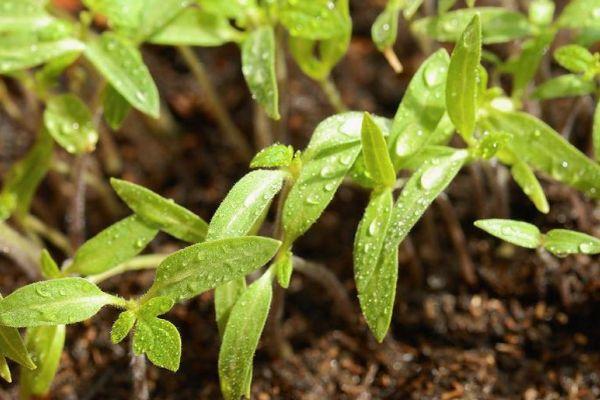
Seedlings are pricked out when they have 2-3 leaves. They are hardened off 1-2 weeks before planting in their permanent location.
This procedure is most often performed in late March or early April, when the risk of sudden cold weather has passed. Plant breeders recommend performing this work in the second ten days of April.
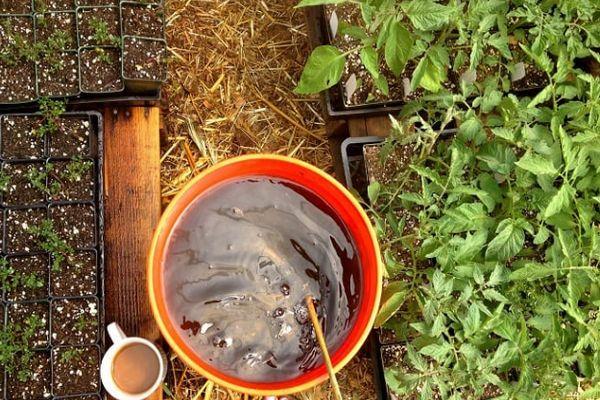
Before transplanting seedlings, fertilize the soil in the greenhouse or open field with humus. As the seedlings grow, feed them with complex fertilizers 2-3 times during the growing season. Plant each seedling in an area of 0.5 x 0.5 m. No more than 3-4 plants can be planted per square meter. When the seedlings begin to set, add superphosphate and potassium nitrate to the soil.
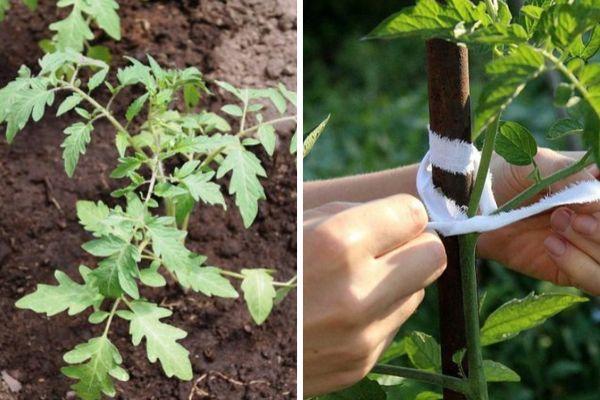
Water the bushes with warm water whenever the soil beneath the plants dries out. Weed the beds regularly, otherwise you could lose up to 25% of your harvest. Regular loosening of the soil around the roots is recommended.
To prevent diseases, you should treat the leaves on the bushes and the soil with preparations that destroy fungi and viruses. If plants are attacked by garden pests, the bushes are sprayed with chemical poisons.
Related posts:
 Description of the Iput cherry variety, planting and care features
 Characteristics and description of the Golubka currant variety, planting and care
 Description and characteristics of the Tyutchevka cherry variety, planting and care
 Characteristics and description of the Large-fruited cherry variety, pollinators and care
 The benefits and harms of gooseberries for human health, properties and uses
 Description and characteristics of the Rizamat grape variety, planting and care
 Description and cultivation of the Yantarnaya cherry variety, selection of pollinators
 Description and propagation of the Bessey cherry variety, planting and care rules
Even for such an unpretentious variety, growth bioactivators are needed, I recommend using only BioGrowI like this product the most. I have no problems with it.