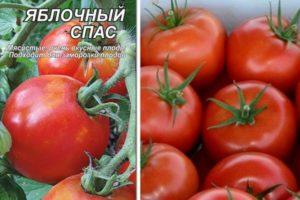
The Crown Prince tomato is suitable for growing in greenhouses and open ground. This variety is sown in greenhouses in April, and plants are transplanted into open areas and temporary greenhouses in the second half of May. This variety of tomato is used fresh, canned, and pickled.
Characteristics of the variety
The characteristics and description of the Crown Prince variety are as follows:
- The growing season of this variety, from planting seedlings to harvest, is 115-120 days.
- The plant's bush can reach a height of 120 to 200 cm. To obtain the maximum yield, remove side shoots and tie all stems to supports or trellises.
- If the bush is formed correctly into 1 or 2 stems and all agricultural practices are followed, the first inflorescence appears above the 8th leaf.
- From 15 to 25 fruits develop on a brush.
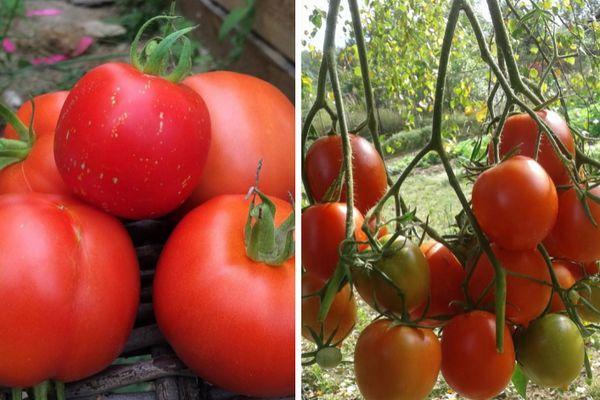
- The tomatoes weigh up to 65-70 g. They have the shape of an oblong cylinder and are red in color.
- The described variety is resistant to such a disease as late blight.
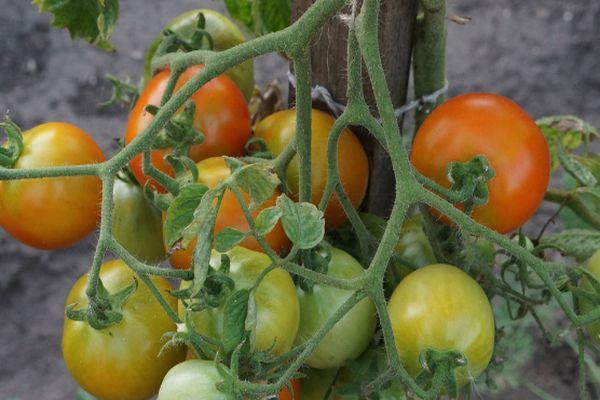
Reviews from farmers growing this tomato variety indicate that, with proper agricultural practices, a yield of 17–20 kg per square meter of garden space can be achieved. This variety tolerates long-distance transportation well.
The tomato is resistant to mechanical damage, and its fruits do not crack. Therefore, Crown Prince tomatoes are purchased by retailers and companies specializing in the sale and processing of tomatoes.
This variety can be grown outdoors in southern Russia. In Siberia and the Far North, it is recommended to plant the plants in heated greenhouses. In central Russia, this tomato variety grows well under unheated plastic covers.
Growing tomatoes in a garden plot
The seeds are planted at a depth of 10-15 mm in special soil placed in boxes. This is best done in the last ten days of March. The soil is fertilized with humus or manure. Once the seedlings with 1-2 leaves emerge, the shoots are pricked out. Fertilize the young plants 2-3 times throughout the growing season. This is done with a combination mixture containing both nitrogen and phosphorus fertilizers.
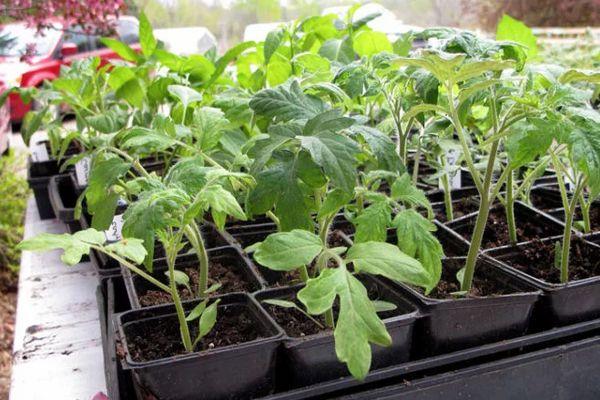
Before planting in the greenhouse, harden off the seedlings. This should be done 7-8 days before transferring the stems to their permanent soil.
By this time, the seedlings should be at least 48-50 days old. They are transplanted into the ground only when the risk of a sudden cold snap has passed. This is most often done in late April.
To ensure normal growth, plant no more than 3-4 bushes per 1 m² of garden bed. The planting pattern for each plant is 0.5 x 0.5 m.
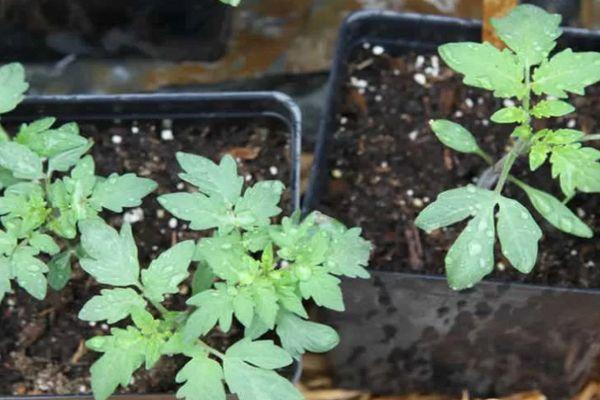
Plants are fertilized three times during the growing season. Initially, nitrogen fertilizers are used, and after fruit set, mixtures containing potassium and phosphorus are recommended. After the first fruits appear, plants should be fed with complex fertilizers containing all of the above components.
Water tomatoes with warm water early in the morning or after sunset. Water only after the soil beneath each plant has completely dried out. Adjust the amount of water depending on the humidity of the air and soil.
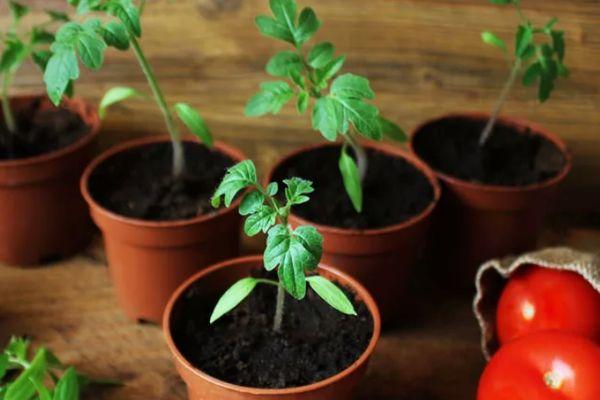
To eliminate the risk of tomato diseases, all bushes should be treated with preparations such as Phytophthora. If there is a risk of disease developing on the plant's roots, the soil underneath is treated with ash flour. This measure will also prevent the invasion of certain insects and their larvae that parasitize the tomato root system.
If garden pests such as the Colorado potato beetle or aphids have developed on your plants, they can be controlled using various chemicals. Alternatively, you can use traditional methods to combat various insects. The most common method is to spray the tomato plants with a soap solution.
Related posts:
 What fertilizers and when to use for feeding tomatoes in a greenhouse
 What is the best way to feed tomato seedlings to make them plump?
 Causes and treatment of eggplant pests and diseases, how to combat them at home
 When and how to properly transplant tomato seedlings, the best days in 2025
 Description of the best varieties of seedless tomatoes and cultivation technology
 The benefits and harms of ginger for the female body, medicinal properties and contraindications
 How to prepare tomato seeds for planting seedlings
 Rules for growing tomatoes in open ground, choosing a variety, planting and care