
The Nasha Masha F1 tomato has excellent flavor. This hybrid was developed in Russia. It is best suited for growing in greenhouses and hothouses, but it can also be grown outdoors.
The Nasha Masha variety possesses a number of excellent qualities highly valued by gardeners. It has good resistance to various types of fungi and tolerates minor temperature fluctuations without problems. Thanks to its robust root system, the plant can survive for long periods without moisture. However, despite this, it must be grown carefully and with care. Before planting, it's worth familiarizing yourself with the Nasha Masha variety's description and understanding its growing requirements.
Characteristics of tomatoes
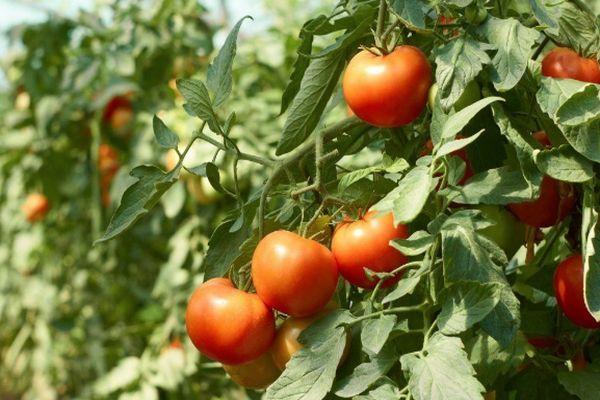
The plant is indeterminate. On average, it grows to a height of 1.5 to 1.7 meters. It has a strong root system and sturdy stems, with spreading branches. Gardeners recommend training the bush into 1-2 stems. Subsequently, the plant requires additional support, pinching, and mandatory tying of branches.
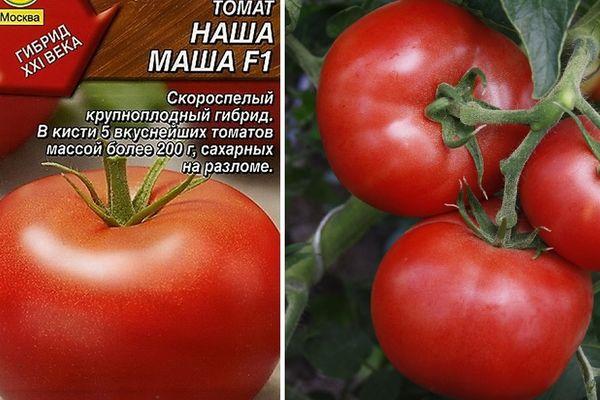
The foliage is medium-sized, standard-shaped, and dark green. The plant has a regular inflorescence. The first cluster appears after the 10th leaf, with each subsequent cluster appearing three leaflets later. Each cluster produces approximately five fruits. The growing season lasts from 100 to 104 days.
The Nasha Masha tomato is highly resistant to fungi such as fusarium, cladosporiosis, and tobacco mosaic. Experienced gardeners recommend no more than two preventative sprays per season against viruses and pests.
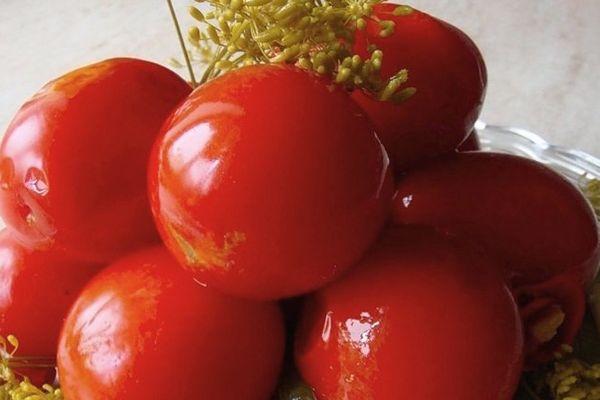
The fruits of the Nasha Masha variety can be characterized as follows:
- Large tomatoes weigh about 180-200 g.
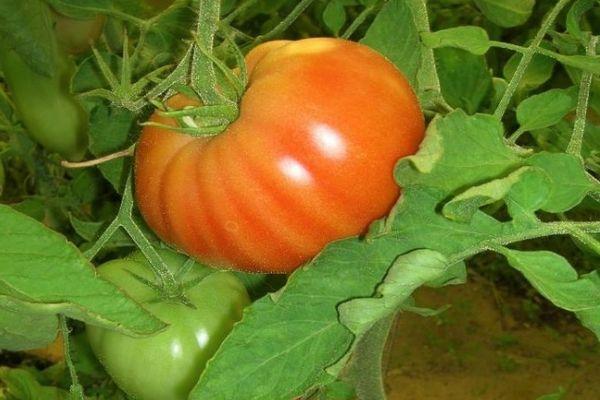
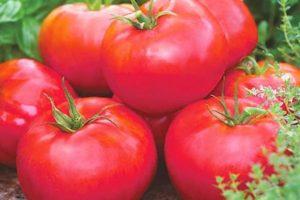
- Ripe tomatoes are bright red with a slight orange tint around the stem.
- The tomato has a dense, smooth, and shiny skin that prevents cracking. The fruits have subtle ribbing.
- The flesh is dense, sugary, and has a distinct tomato aroma. Inside are cells containing small seeds.
- It has excellent flavor. It is grown primarily for processing into tomato products. Tomatoes are most often used to make paste, ketchup, and juice. Their flavor makes a wonderful addition to any vegetable salad.
- The fruits ripen on the bunch at the same time.
The Nasha Masha variety produces quite a high yield. 7-10 kg of fruit can be harvested per square meter. These tomatoes have a long shelf life, about four weeks. Providing them with the necessary conditions is crucial: cool and free from moisture. They also tolerate long-distance transportation well, maintaining their marketable appearance.
How to grow seedlings
The Nasha Masha variety is grown using seedlings. The seed packaging includes characteristics and a description of the variety to help you grow it properly.
Sow the seeds 60-65 days before planting the seedlings in the greenhouse. For the seedlings, prepare a special container (like a box) and purchase a general-purpose soil. You can create your own soil by mixing equal parts of peat, turf, and coarse river sand.
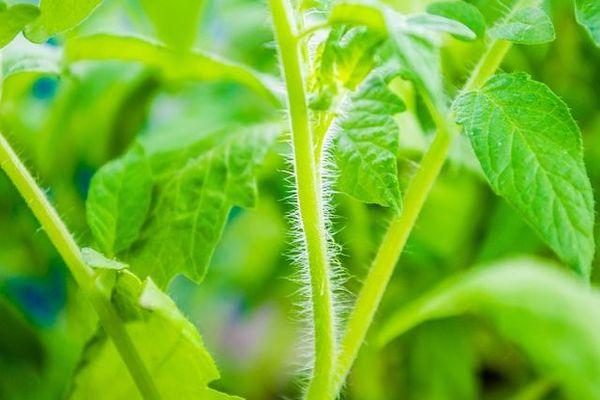
Before sowing, seeds are prepared. They are soaked in a growth stimulator for 30 minutes, then dried in sunlight. A weak solution of potassium permanganate can be used to disinfect the planting material. Soak the seeds in it for no more than half an hour.
The soil in the container is compacted and holes are made in it, 2 cm deep. The seeds are placed in these holes and covered with peat and soil. The seedlings are immediately watered with warm water and covered with plastic wrap.
Place the box in a warm location, where the temperature is at least 20°C. When the first shoots appear, remove the film and move the container to a well-lit area. Experts recommend keeping the room temperature between 17-18°C for the first week. Then, increase the temperature to 22-25°C.
As soon as the young shoots develop a pair of true leaves, the seedlings are pricked out. It's best to transplant them directly into peat pots. This will allow you to transplant the plant into the ground without removing it from its container and damaging the root system.
Before planting Nasha Masha tomatoes, the soil should be well fertilized. Humus or complex mineral fertilizers are suitable. Legumes, cabbage, zucchini, cucumbers, dill, and parsley are considered good predecessors for nightshade crops.
When planting plants in beds, ensure that there are no more than 4 bushes per 1 square meter.
After planting, the holes should be mulched with organic material. For the Nasha Masha tomato variety, straw or regular sawdust is most often used. Next, water the beds with settled water.
Tomato care will then consist of regular watering, fertilizing with complex fertilizers, loosening the soil, and preventative spraying of the bushes against pests.
Related posts:
 Description and characteristics of the Masha F1 cucumber variety, planting and care
 Description of the Masha Doll F1 tomato, growing the hybrid, and gardener reviews
 The best grape varieties for growing in the Urals, planting and care rules in summer
 How to propagate and grow peas, cultivation technology, and care in open ground
 80 Best Eggplant Varieties for Different Regions with Descriptions and Characteristics
 Description of the best potato varieties of domestic and foreign selection
 Description of varieties of sowing peas and cultivation, to which family they belong
 Description and characteristics of the best varieties of bunch cucumbers and how to grow them