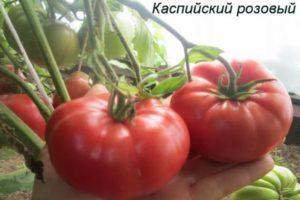
The Scheherazade tomato is a rare variety with velvety leaves and fruits. This tomato is characterized by vibrant foliage, an exotic shape, and amazing flavor.
Advantages of the variety
The Scheherazade tomato owes its fairytale name to its unusual beauty and appeal. The variety description classifies this semi-determinate plant as a mid-season tomato.
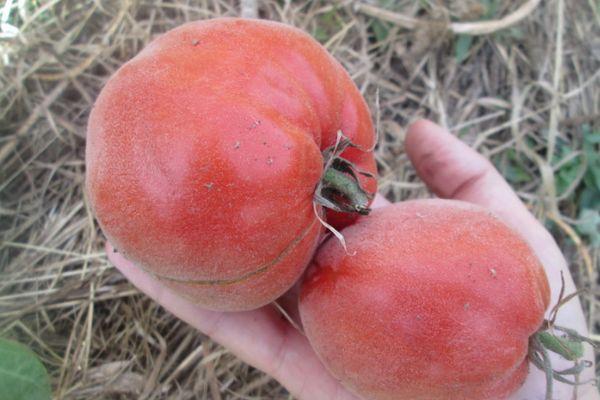
Fruit ripening occurs 115-120 days after germination and continues until September. The Scheherazade variety is resistant to viral and fungal diseases of nightshade crops.
Depending on growing conditions, the height of the bushes reaches 100-150 cm. The plant is characterized by its highly developed velvety foliage of emerald green with a blue tint.
The crop blooms profusely, with 2-3 fruit ovaries forming per cluster. Tomato yields are average, with 1.5-2 kg of fruit per square meter. The plant is sensitive to high temperatures and direct sunlight.
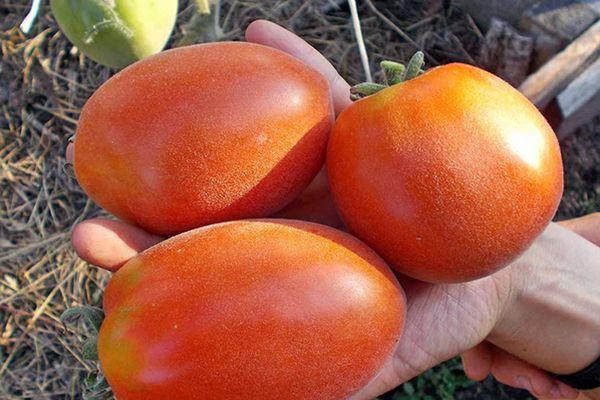
The description of the tomatoes notes that they resemble peaches in appearance due to the light fuzz on the surface of the thick skin. As they ripen, the fruits take on a red-orange color.
Oval, cylindrical tomatoes with juicy, fleshy flesh. Fruit weight can range from 100g to 300g. They have a pleasant flavor and a distinct aroma.
In cooking, tomatoes are used fresh, for cooking, and for canning. The fruits are excellent for long-distance transportation and retain their flavor during long-term storage.
The Scheherazade variety has received numerous positive reviews from vegetable growers, who note the attractive appearance of its small, fluffy tomatoes and the beauty and exotic look of the bush throughout the growing season.
Cultivation techniques
The Scheherazade tomato is recommended for both open ground and greenhouse cultivation. The most important stage of cultivation is seedling preparation. Seeds are sown for seedlings 55-60 days before planting.

Place the seeds in prepared containers filled with soil to a depth of 1 cm and water with warm water using a spray bottle. Cover the container with plastic wrap until the sprouts emerge.
To form healthy seedlings, it is necessary to maintain the temperature and light conditions. The fact is that the formation of the first inflorescences occurs during the period of appearance of the third true leaf.
At this time, the seedlings reach a height of 10 cm, so insufficient light may result in weak flower buds. Hardening off the plants before planting them in the ground is recommended.
At 50-60 days old, the seedlings are transferred to their permanent location in hotbeds and greenhouses. They are planted in open ground after the spring frosts have passed. To do this, prepare the holes first, add humus, and water them with warm water.
The depth of the hole depends on the height of the seedlings. It is recommended to plant seedlings up to the first leaves. Strongly elongated plants are placed in the holes up to the second leaf, carefully arranging the stems in a circle to promote the development of a secondary root system.
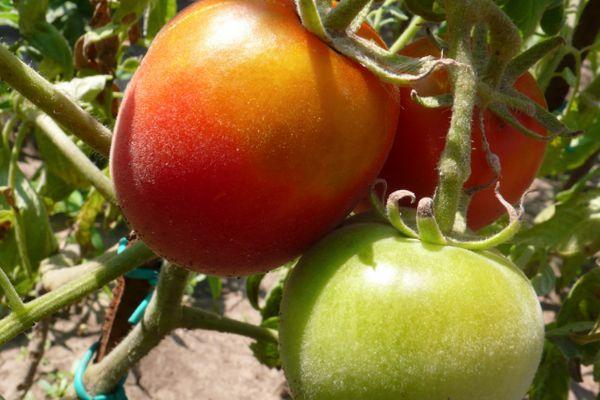
Cultivation of the variety in closed ground must be accompanied by control of air humidity and temperature, on which the productivity of the crop depends.
As the bushes grow, remove excess shoots. To produce large fruits, it's recommended to grow the plant as a single stem. Bushes are prone to deformation and breakage, so they should be tied to a support.
Caring for the Scheherazade variety involves regular watering and fertilizing with mineral and organic fertilizers. Periodic loosening of the soil is required to maintain moisture balance and ensure aeration of the root system.
Related posts:
 80 Best Eggplant Varieties for Different Regions with Descriptions and Characteristics
 The best grape varieties for growing in the Urals, planting and care rules in summer
 Description of the 23 best pear varieties for the middle zone, planting and care rules
 Descriptions of the 20 best cherry varieties for the Moscow region, their planting and care
 Description of the best varieties of black tomatoes for open ground and greenhouses
 The best and most productive tomato varieties for greenhouse cultivation in the Urals, with descriptions
 Description of the Velika grape variety, cultivation and care tips
 Description and characteristics of the best seeds of pea varieties and types