
The Vintage Wine tomato is easy to care for. It has an unusual coloring for a tomato. Another name for this tomato variety is "Vintage Wine." Berries picked from the bush can be stored in a cool place for about 15 days. This variety is used for canning, juice, ketchup, and sauce production. When used fresh, it is added to salads and sliced.
Technical data of the hybrid
The characteristics and description of the Vintage Vine tomato variety are as follows:
- The plant produces its first harvest 110-120 days after planting the seedlings in the ground.
- The height of a tomato bush ranges from 150 to 170 cm. A medium number of dark green leaves grow on the stem.
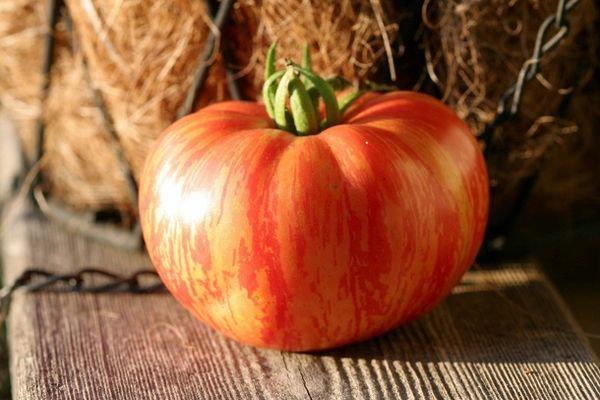
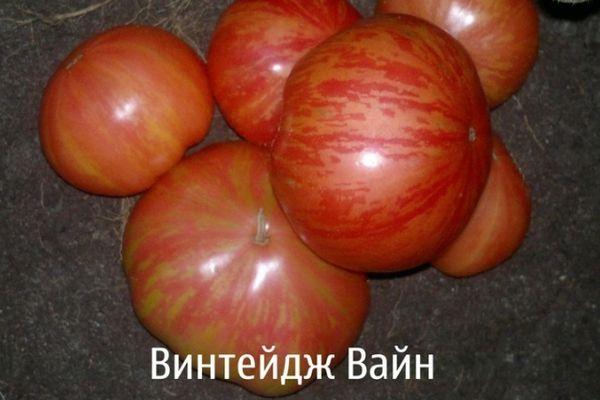
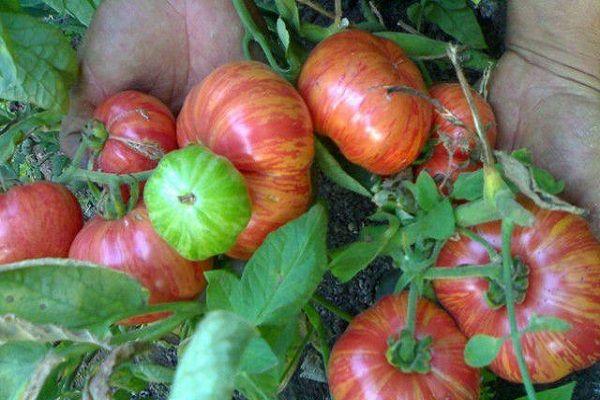
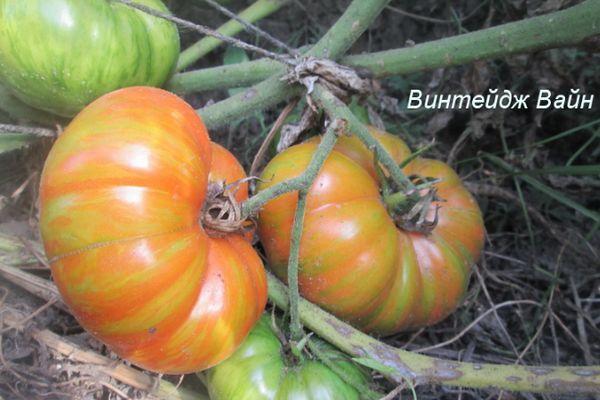
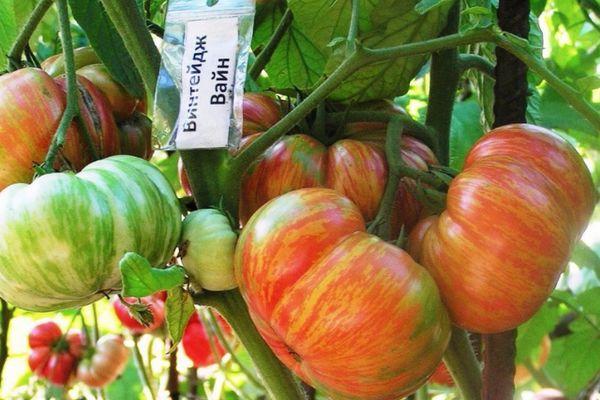
- Tomato fruits are spherical, flattened at the top and bottom. Each berry weighs between 0.2 and 0.25 g.
- The fruits are red in color but have yellow veins. The berries are quite dense.
- The sweet pulp contains few seed chambers and seeds themselves.
Farmers note that the main drawback of this variety is the need to tie it to trellises or stakes. The plant is demanding in terms of bush formation. When grown in a greenhouse, the bush is formed from a single stem, while in open ground, it is formed from two plants. Another disadvantage of this crop is the need to remove side shoots throughout the growing season.
The harvested crop can be transported over medium distances.
According to gardeners who grow this hybrid, the plant produces 2 to 3 kg of fruit per bush if all agricultural practices are followed.
Tomato has good immunity to most diseases of nightshade crops.
This variety can be planted outdoors in southern Russia. In the central part of the country, unheated plastic greenhouses are used for this purpose, while in Siberia and the Far North, hotbeds and greenhouse blocks are recommended.
Growing seedlings yourself
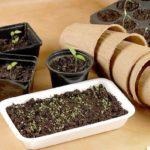
The seeds are first treated with a potassium permanganate solution. They are then planted in boxes filled with special tomato soil. The seeds are planted 10-15 mm deep, leaving at least 2.5 cm between them.
After germination, the seedlings are watered with warm water and then fed with nitrogen fertilizer. Strictly maintain the light regime and temperature in the room where the young plants are kept. The seedlings should receive at least 14 hours of daylight or electric lighting per day. It is recommended to maintain the temperature between 15 and 17°C for the first week, and then increase it to 20 and 22°C in the following days.
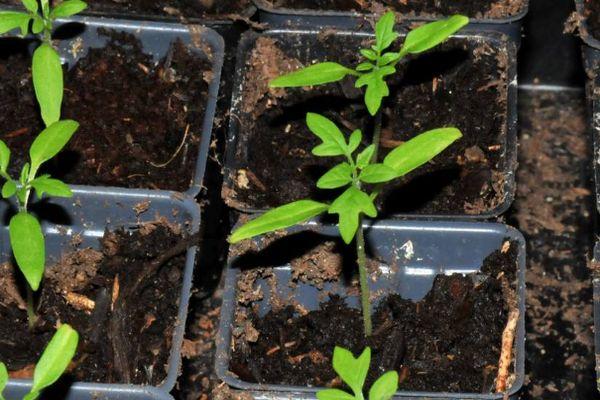
Water the seedlings with warm water 1-2 times a week. Avoid overwatering or allowing the soil to dry out completely. Feed the young stems with growth stimulants or complex mixtures containing nitrogen and potassium.
The seedlings are pricked out after two leaves appear. To ensure the plants develop a good root system, they are transplanted into individual pots with a diameter of 8-10 cm.
When the seedlings are 65 days old, they are transferred to the greenhouse for permanent soil. Before this, the soil in the beds is loosened and nitrogen fertilizer is added. The planting pattern is 40 x 100 cm. It is recommended to transfer the seedlings to the beds after the spring frosts have passed.
Caring for plants before harvest
Side shoots should be removed from each bush once they reach 50-60 mm in length. Failure to do so will reduce yield by 30%.
It's recommended to water young bushes after sunset. Use warm, settled water. Watering is recommended once or twice a week.
Loosen the soil in the beds once every 5 days. This process ensures oxygen reaches the plant roots. Weeding is recommended once every 2 weeks.
This procedure protects bushes from infection by various fungal infections and helps destroy garden pests that migrate from weeds to cultivated plants.

Fertilize tomato bushes 3-4 times during the growing season. Initially, plants are given nitrogen and potassium mixtures. This usually occurs 7-10 days after transplanting the seedlings into the greenhouse. The second time, the bushes are enriched with potassium fertilizers after flowering. The next feeding is with complex mixtures containing phosphorus, potassium, and nitrogen after the first fruits appear.
To combat garden pests (aphids, Colorado potato beetles, spider mites, etc.), it is recommended to use special pesticide mixtures. If these are unavailable, folk remedies such as soap solution or copper sulfate can be used. If slugs appear in the garden beds or parasites are suspected on the roots of plants, the soil under the bushes should be treated with wood ash. Wood ash repels pests and kills insect larvae.
Related posts:
 Methods for planting and propagating cherries at home
 The best grape varieties for growing in the Urals, planting and care rules in summer
 Growing and caring for hazelnuts in open ground, rules for planting hazelnuts
 The best methods for growing grapes from seeds at home
 When and how to properly transplant tomato seedlings, the best days in 2025
 Causes and treatment of eggplant pests and diseases, how to combat them at home
 How to propagate and grow peas, cultivation technology, and care in open ground
 Favorable planting days for tomatoes in March 2025, when is the best time to sow