
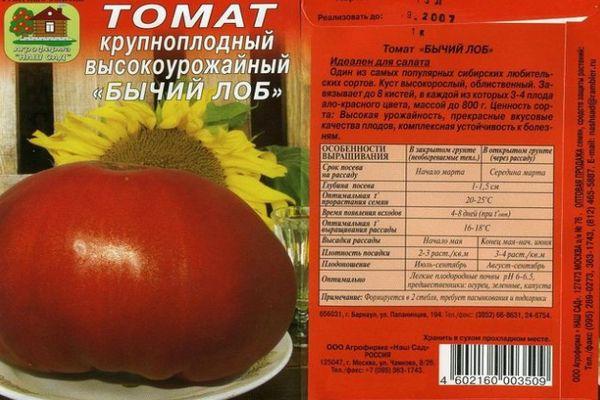
The Bychy Forehead tomato is not a hybrid variety, so it can be grown from seeds that produce ripe tomatoes. Bychy Forehead tomatoes are characterized by large fruits and a high yield. The Bychy Forehead variety thrives in southern regions, but it can also be grown in northern areas, provided it's grown in a greenhouse.
What is a Bull's Forehead tomato?
Characteristics and description of the Bull's forehead variety:
- Early harvesting is possible – tomato plants begin to bear fruit for gardeners three months after planting the seeds.
- The seeds can be used for planting next year.
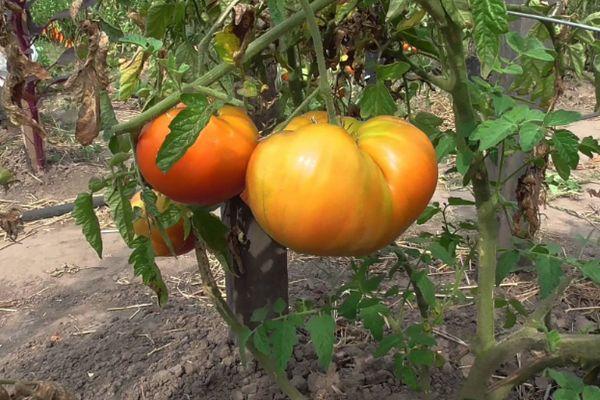
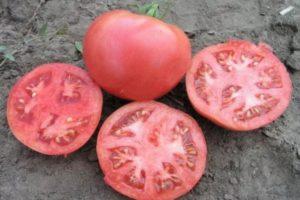
- Unusual shape and large size of ripe tomatoes.
- The plant grows up to 1.5 m, so it needs to be tied to pre-prepared supports.
- The significant number of seeds that each fruit produces.
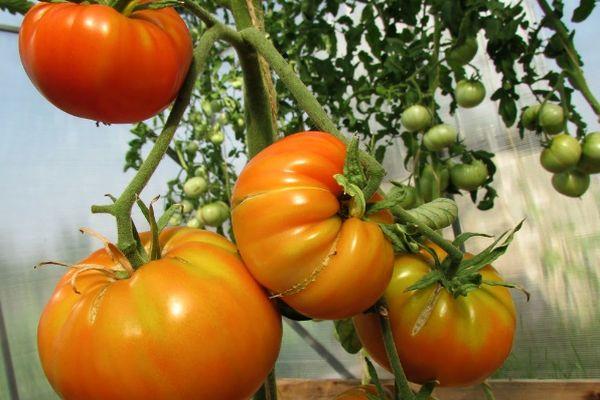
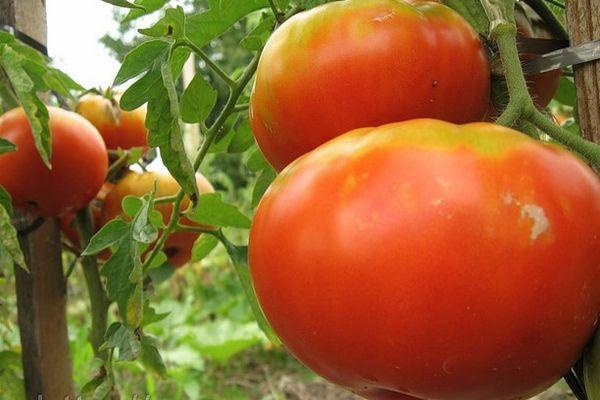
Reviews from gardeners who have grown this variety indicate that, with proper care, the Bychiy Forehead tomato can produce large fruits, weighing up to 500 g. The ripe tomato is round, flattened at the top and bottom. Everyone who has planted and grown it describes its flavor as sweet and rich.
It is recommended to grow it either in a greenhouse or outdoors. It's important to understand that tomatoes can only be grown outdoors if the area has favorable conditions. If the gardener properly cares for the Bull's Forehead, the variety's description will fully correspond to the manufacturer's claims.
Here is a description of the advantages of the Bull's Forehead tomato:
- The excellent taste of the tomato makes it stand out from the crowd.
- Resistance to temperature changes.
- Good yield, which allows you to collect more than 0.5 kg from each bush.
- It is undemanding in terms of watering the bushes - even if you do not water the tomatoes daily, they will still bear fruit well.
- It is resistant to a number of diseases common among tomatoes.

There are also some disadvantages that the Bull's forehead has, which no housewife who has planted and grown this tomato variety can fail to note:
- If the gardener overdoes watering and excess moisture forms in the soil, the fruits may crack.
- Tomatoes are not suitable for long-distance transportation: they can crack and lose their marketable appearance on the way from one point to another.
- Ripe fruits have a short shelf life. They are best consumed or processed immediately after harvesting.
Tomatoes are quite versatile in cooking. Smaller tomatoes can be preserved or pickled in jars, while larger ones are suitable for barrel-style pickling. Tomatoes can be processed into tomato juice, paste, or ketchup. Fresh tomatoes are also excellent, eaten immediately after harvest or within 2-3 days.
How to grow tomatoes
Caring for tomatoes is the key to every gardener's success. Although the Bull's-head tomato is not a particularly demanding plant, a number of basic steps are essential to ensure a successful harvest.
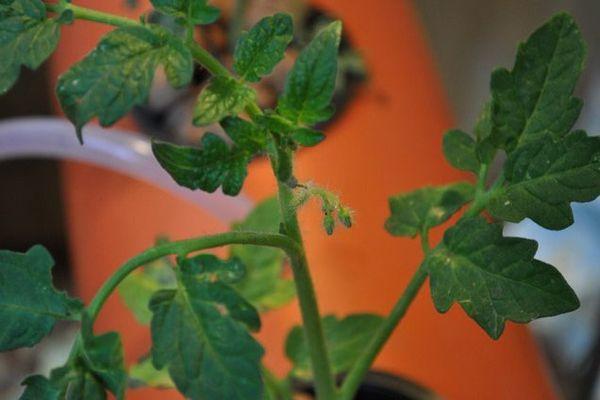
It's important to tie the stems to the support in a timely manner. Otherwise, the bush's stems may break or bend under the weight of the fruit. When forming a bush, it is necessary to pinch off the shoots, getting rid of unwanted shoots.
Mineral fertilizer should be applied to the soil three times during the fruiting season. Once the bush reaches a height of approximately 1.5 m, pinch the top to prevent further stretching.
To speed up fruit production and maximize yield, experts advise gardeners to head into the forest and gather several young pine shoots. After harvesting, they should be crushed and diluted with water.
For every 1 kg of shoots, use 2 liters of water. It's recommended to boil the resulting mixture for 10 minutes. Strain the infusion and dilute it with water at a ratio of 1:3. Apply the resulting solution to the bushes when the first flowers appear.
Related posts:
 Description of the best varieties of black tomatoes for open ground and greenhouses
 Description of the best varieties of cluster tomatoes and growing rules
 Delicious recipes for canned tomatoes with honey for the winter, preparation steps
 11 Best Recipes for Preserving Tomato Slices for Winter
 Description of the Bull's Eye tomato and growing the mid-early variety using the seedling method
 TOP 17 recipes for pickled sweet tomatoes for the winter
 Recipes for amazing tomatoes in jelly for the winter, with and without sterilization, you'll lick your fingers
 How to grow cherry tomatoes on a balcony: suitable varieties and planting and care guidelines