
The Blueberry tomato is the result of continued breeding efforts to develop purple tomatoes. This early-ripening variety boasts purple fruit, excellent flavor, and disease resistance.
Advantages of the variety
The Blueberry tomato variety was developed by Jim Myers, a professor in the Department of Horticulture at Oregon State University (USA). The original purple variety was used as the starting material. a tomato called Indigo Rose. The Blueberry tomato is the result of selection.
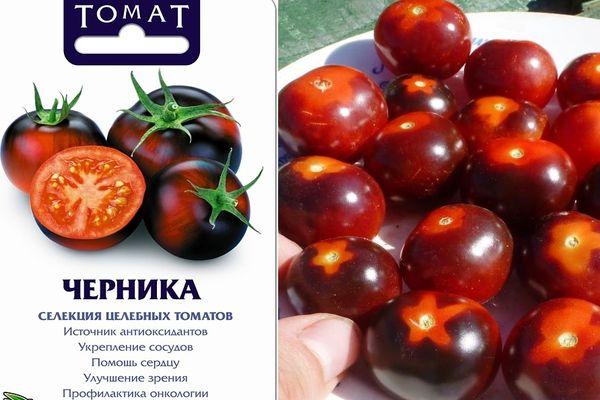
This tall plant is indeterminate. During the growing season, it requires pruning and tying to a support or trellis. This early-ripening variety begins bearing fruit 95-100 days after sprouting.
Blueberry tomatoes are a source of natural antioxidants that help:
- strengthening the circulatory system;
- reducing the risk of developing diseases;
- strengthening the immune system;
- improving vision.
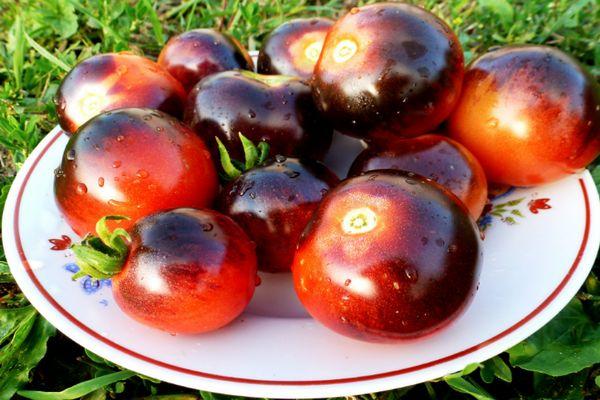
The fruits of this innovative variety owe their exotic color to the presence of the purple pigment anthocyanin. This substance is found in significant concentrations in blueberries.
Anthocyanin compounds are essential for maintaining health in adults. The need for this natural pigment arises in people living in regions with long summers and in those with a genetic predisposition to malignant tumors.
The Blueberry variety is characterized by constant bud formation, which encourages the setting of new tomatoes. The long fruiting period allows for a constant supply of fresh fruit.
This tomato is unsuitable for open-field cultivation in regions with a short warm season due to its late ripening period. Therefore, in colder regions, the variety is grown exclusively in greenhouses.
When growing this variety indoors, you can enjoy fresh tomatoes as early as late October. The bush's growth habit allows for efficient use of the space allocated for planting.
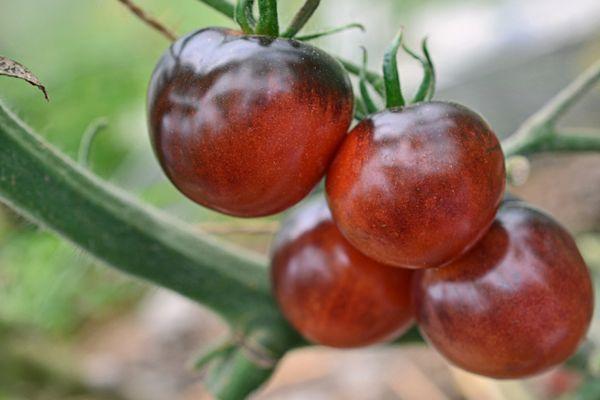
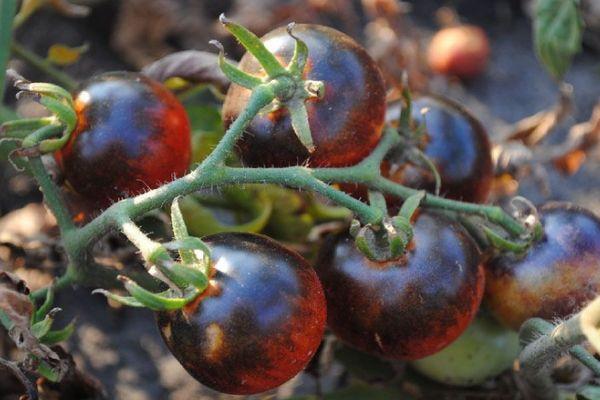
Blueberry tomatoes are round and glossy. At maturity, they acquire a deep burgundy hue, characteristic of both the skin and flesh. The fruits have a pleasant flavor. They are used in desserts.

The bush produces simple, long clusters containing 6-8 ripening tomatoes. The tomatoes weigh 150-180 g. This variety is characterized by high yields.
Tomatoes are characterized by purple shoulders extending halfway down the fruit. Green tomatoes turn a dark burgundy color as they ripen.
The variety's characteristics and description indicate exceptional disease resistance. During the growing season, the bushes are not affected by late blight.
Agricultural technology for growing tomatoes
The key to a good harvest is the quality of the seed. Seeds from the Biotekhnika agricultural company are available in premium packaging. Reviews from vegetable growers indicate that the variety description fully matches the stated characteristics.
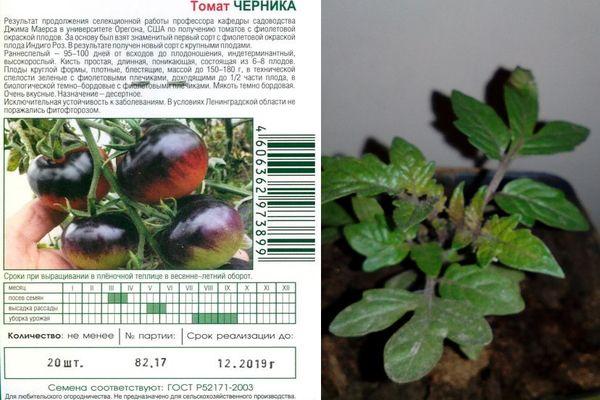
The seed material is calibrated and has a high germination rate. For growing seedlings, honeycomb containers are used, filled with prepared soil or substrate.
The seeds are laid out in even rows on the moistened soil surface and covered with a thin layer of peat moss (4-6 mm). To create a greenhouse effect and prevent the surface soil from drying out, the container is covered with plastic wrap until the seedlings emerge.
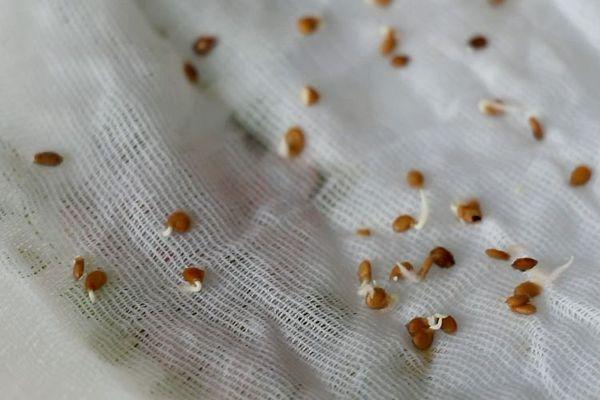
To ensure uniform seed germination and healthy seedling formation, maintain a constant temperature of 22 to 24°C. When the first to two true leaves have formed, seedlings are separated into individual containers.
Peat pots are used for this purpose, as they make it easy to transplant seedlings to their permanent location. Before planting, the plants are hardened off by lowering the temperature to 19°C for 7-10 days. When the first flower stalks form, the seedlings are transferred to the ground.
Caring for Blueberry Tomatoes
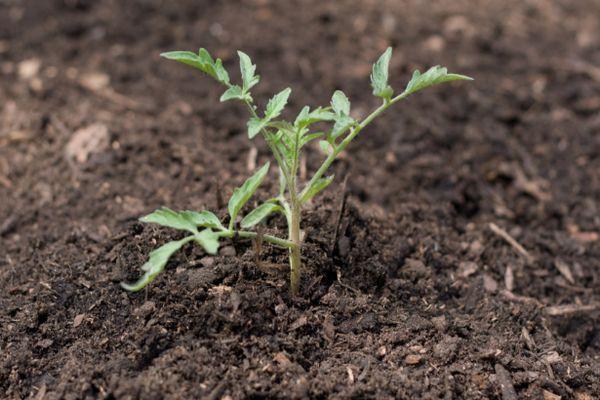
The soil for planting is prepared in advance, loosened, and organic fertilizers are added. When planting, it's important to consider crop rotation. Beans, corn, cabbage, and cucumbers are considered the best predecessors for tomatoes.
Before planting, add the following to each hole:
- compost - 0.5 l;
- superphosphate - 2 tsp;
- potassium sulfate - 1 tsp;
- urea (carbamide) - 1 tsp.

After planting, water the bushes at the roots with warm water. After each watering, it is recommended to hill the plants to regulate the moisture and air balance around the root system and stimulate plant development.
Tomatoes are planted at a distance of 50-55 cm from each other, with a distance of 70 cm between rows. During the growing season, various nutrient mixtures are used to ensure normal plant development, stimulating growth and fruit formation.
The composition of the fertilizer varies at different stages of growth. Before the first flower clusters are formed, use monopotassium phosphate. As the fruit buds develop, the fertilizer mix should include nitrogen, phosphorus, and potassium in equal proportions. During the ripening period, the quantitative composition of the nutrient mixture is adjusted.
Plants are fertilized based on the condition of the plant. During active growth, nitrogen is eliminated from the mixture and the phosphorus content is increased. Fertilizer is applied to the roots at 14-day intervals.
When watering plants, it's important to maintain regularity and avoid getting the stems and leaves wet. To regulate moisture levels and prevent the topsoil from drying out, mulch with black non-woven fiber.
Using organic materials (straw, leaves, and sawdust) as mulch provides additional nutrition for plants. When growing tomatoes, special attention is paid to bush formation, which involves regulating the number of shoots.
Related posts:
 How to grow blueberries outdoors, planting and care
 15 simple recipes for making blueberry jam at home with apple and lemon in a slow cooker
 80 Best Eggplant Varieties for Different Regions with Descriptions and Characteristics
 The best grape varieties for growing in the Urals, planting and care rules in summer
 Top 10 easy blueberry jelly recipes for the winter
 How to properly freeze blueberries for the winter at home: step-by-step recipes and storage rules
 Descriptions of the 20 best cherry varieties for the Moscow region, their planting and care
 The best eggplant varieties for growing in a polycarbonate greenhouse: planting and care
Take a look Also
