
Gardeners are asking how to grow the Filippok tomato, a variety they've read about online. It's an excellent new variety from Siberian breeders.
Characteristics of the variety
Characteristics of the Filippok variety:
- the plant belongs to the low-growing determinate early-ripening varieties;
- the ripening time is from 85 to 100 days (this is the optimal time period for our latitudes);
- since the variety is low-growing, it does not require garters or pinching;
- moderately resistant to diseases;
- despite its low growth, it will provide gardeners with a very abundant harvest;
- in the ripening phase, tomatoes are red;
- the taste is not sweet, but with a pleasant sourness.
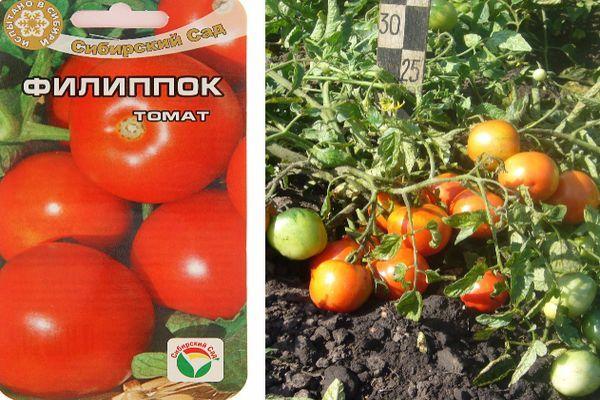
The fruits have a wide variety of uses, from fresh consumption to whole-fruit canning, thanks to the tomatoes' small size and very convenient shape.
The tomatoes are round and smooth in shape; average weight is 65 g.
The yield is approximately 24 t/ha.
How are tomatoes grown?
This variety is primarily suitable for outdoor cultivation. It can be sown directly into the ground. However, for an earlier harvest, it's best to use seedlings.
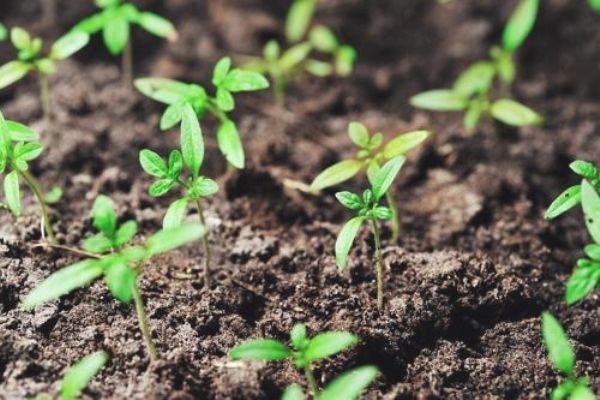
Seeds for seedlings should be sown in late March or early April, 50–60 days before planting. The optimal temperature for seed germination is 23–25°C. When the plants reach the two true leaves stage, they should be transplanted into individual containers.
Like any other variety, Filipok tomatoes are very demanding when it comes to heat. Before planting outdoors, about 7-10 days beforehand, they need to be hardened off. This process should be done gradually, without damaging the plant. If this rule is neglected, the tomato may simply not withstand sudden temperature changes and die.
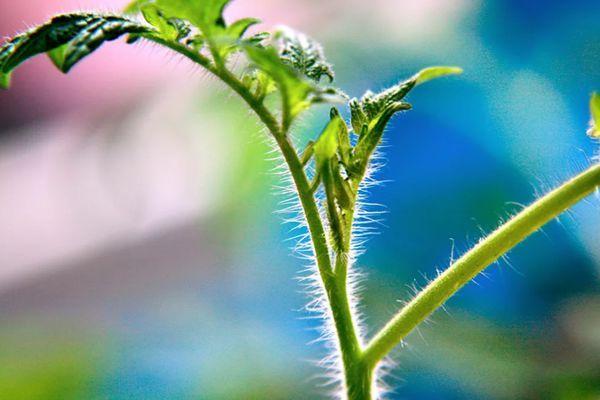
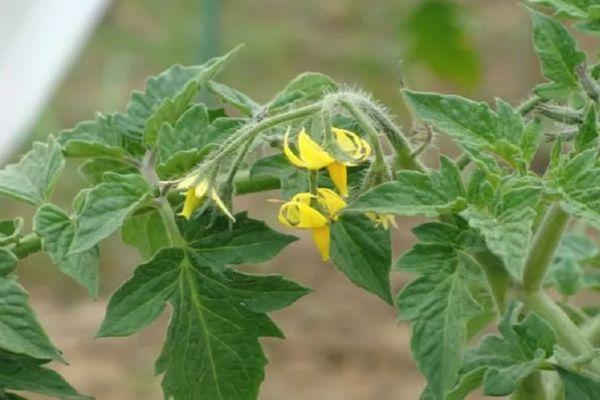
Seedlings are planted in the ground in May under temporary cover and in June in open ground to completely eliminate the possibility of night frosts, as tomatoes will simply die at -1°C. Fruit will only begin to set at +15°C. Very high and low temperatures have a detrimental effect on the plant. For example, at temperatures above +35 ºС, pollination stops and the flowers fall off.
Further plant care involves watering, fertilizing, loosening the soil, and hilling. Tomatoes can be planted after any crop except nightshades.
The plant responds well to watering and mineral fertilizers. However, it's important to keep in mind that tomatoes are drought-tolerant and should never be overwatered, as this will restrict the root system to the surface. Furthermore, constant excess moisture can lead to late blight and even root and stem rot. During dry periods, water the plants every other day, while in normal weather, twice a week is sufficient.

To accelerate seed growth and improve plant health after planting in open ground, it is recommended to use specially developed growth stimulants and improve plant development.
When planting in the ground, plant up to 5 plants per square meter—if you plant more, they will interfere with each other. Planting should be done deep, up to the cotyledon leaves.
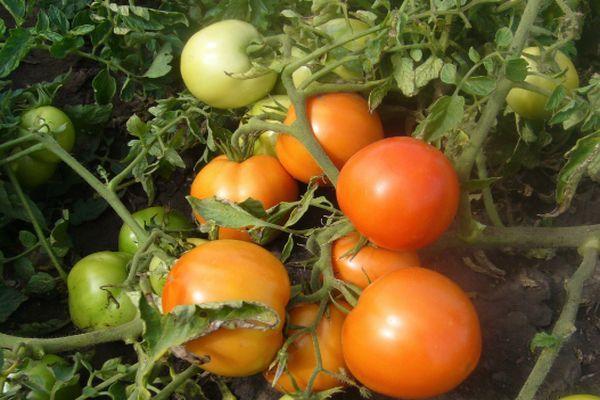
It's best to plant on a cloudy day; if the sun is shining, it's best to do this in the evening. Both of these options will allow the tomato to establish itself easily and quickly. Since Filipok is a low-growing variety, this virtually eliminates any difficulties in growing it, allowing gardeners to reap a rich and tasty harvest. Another advantage: it's a determinate variety, so it doesn't require pinching to control its growth.
Reviews of this tomato are mixed and highly contradictory. Some people really like it, while others aren't thrilled with its sourness. However, it's important to remember that everyone has different taste preferences, so it's best to rely solely on your own experience and taste.
Related posts:
 How to plant carrot seeds in open ground, timing and sowing methods
 Description of the best varieties of Chinese cucumbers, planting, growing and care
 What to cook for New Year 2020: a new and exciting menu for the holiday table
 Description of the Strawberry tomato, cultivation and subsequent care
 Growing and caring for pumpkins in open ground, planting rules for a good harvest
 Is it possible to grow an apricot tree from a seed in your garden? How to plant and care for it?
 80 Best Eggplant Varieties for Different Regions with Descriptions and Characteristics
 Description of the Exhibition onion variety, growing from seedlings, planting and care