
The Kasamori F1 tomato was developed by Japanese breeders. This variety recently entered the Russian market, but has already become a favorite among farmers and consumers. The seeds are produced by Kitano Seeds. What are the advantages of this variety? It ripens early, is stress-resistant, and grows well in both greenhouses and open ground. Most importantly, it has a high yield.
What is Kasamori tomato?
Knowing the Japanese's high standards for product quality, one can be assured of the high quality of their seeds. This is evident even in the packaging, which is made of thick, laminated glass. It reliably protects the seeds from external influences, damage, and moisture. Below are the characteristics and description of the variety.
The photo shows the original packaging, which contains the following information:
- variety name;
- company logo;
- the number of seeds in this package;
- best before date;
- release date;
- batch number;
- the name of the disinfectant that the seeds were treated with is thiram;
- information for the buyer;
- contact details.
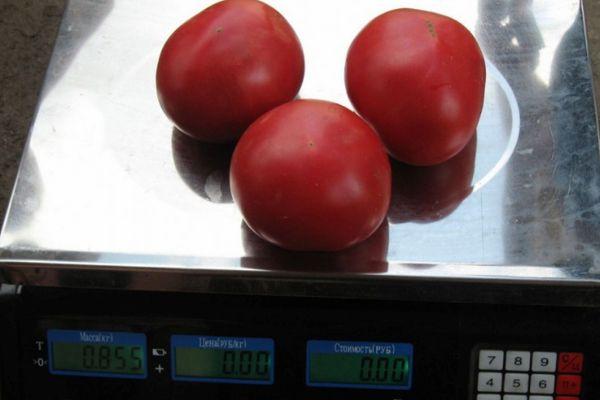
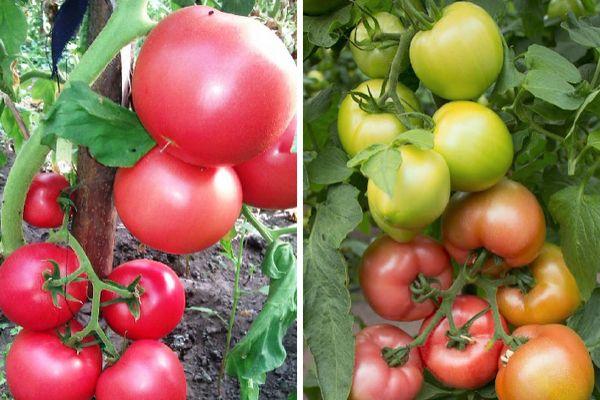
Kasamori tomatoes are indeterminate. The plant grows very compact, with shortened internodes. After germination, the plant ripens in 95-100 days. The fruits are very large, weighing between 200 and 300 grams. Gardeners growing this variety have seen fruits weighing up to 500 grams.
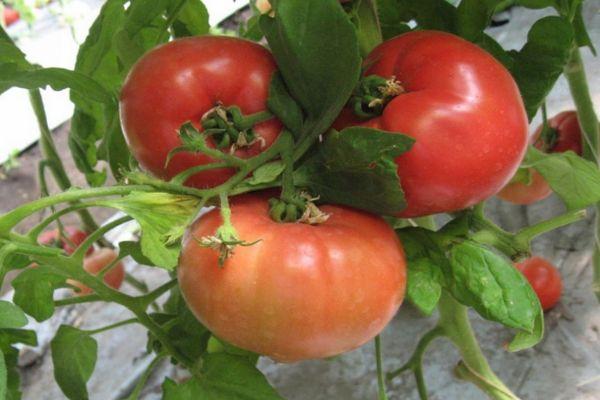
Each cluster produces 5-6 tomatoes. The tomatoes are bright pink. They have a beautiful, neat shape—round and slightly flattened. The green spot near the stem, which is common in other varieties, does not develop on Kasamori. The smooth, even surface never cracks, which keeps the tomatoes looking fresh for a long time.
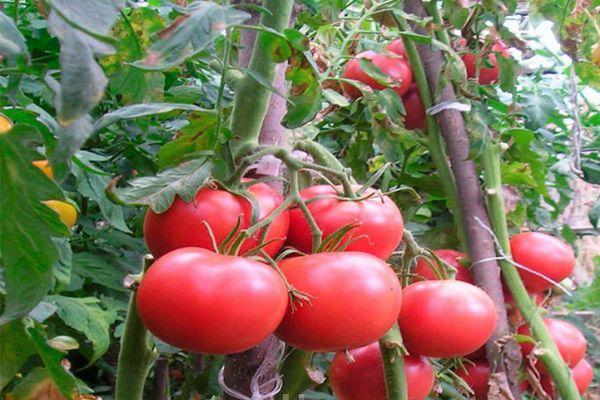
Reviews of this tomato variety are positive. They generally note the high fruit set, even in unfavorable conditions. The yield per bush is 4 kg. Seeds can be planted under either plastic or glass cover. Growing time can be adjusted. Seeds can be sown directly into the soil for direct cultivation. The first harvest occurs in late September; unripe fruits ripen perfectly at room temperature.
Growing specifics
Seeds can be sown in February in a spring greenhouse. If the greenhouse is heated, you can begin sowing in mid-month, and if it's unheated, at the end of the month. In the first half of March, seedlings can be sown directly into the ground. If you prefer to plant the seeds directly into the ground, it's best to do so in late April or early May, once the soil has warmed up.
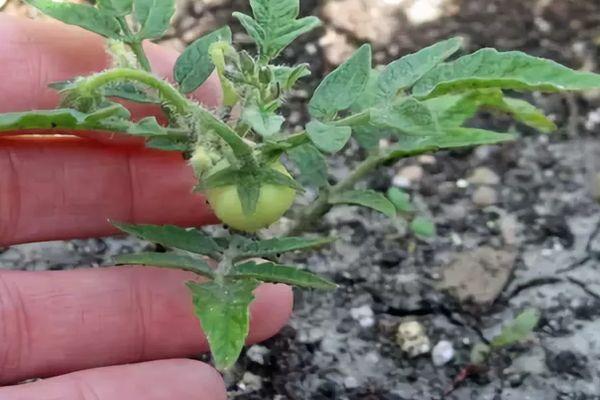
Fertilize every two weeks. Tomatoes prefer humic-based fertilizer. For best growth, the plant requires adequate light, so if it's insufficient, use a grow light.
How to properly care for tomatoes to achieve a high yield?
The main care for the Kasamori tomato is timely watering of the soil. Watering should be done as the soil dries out, no more than once a week during the cold season, and twice a week during the hot season.
Weeding or loosening the soil is essential, as it improves the quality and growth of the root system. Weeding also protects the plant from harmful insects.
When side shoots appear, they should be removed, shaping the bush into a single stem. When removing, maintain sterility. The shoots should be removed early, before they reach 2-2.5 cm. Since tomatoes are quite heavy, it's important to tie the bushes to prevent them from breaking. Use soft strips of cloth to tie them in place so as not to damage the plant.
Related posts:
 Is it possible to soak treated cucumber seeds before planting and how to do it correctly?
 Carrot care guidelines for outdoor cultivation to ensure a good harvest
 80 Best Eggplant Varieties for Different Regions with Descriptions and Characteristics
 How to propagate and grow peas, cultivation technology, and care in open ground
 Description and characteristics of the most productive varieties and hybrids of corn
 Description and characteristics of the best seeds of pea varieties and types
 The best eggplant varieties for growing in a polycarbonate greenhouse: planting and care
 How to properly plant peas in a greenhouse and open ground