
By assessing the qualities of the Mobile tomato (the variety's characteristics and description highlight the most significant ones), gardeners can form a more informed decision about choosing a tomato for their garden. The plant has both advantages and disadvantages.
General characteristics of the variety
This variety is not classified as a first-generation hybrid; its seeds can be left for cultivation in your own plot. Mobile tomatoes begin to ripen 110-120 days after sowing and are considered mid-early, but in open ground, biological maturity may be delayed due to external factors.
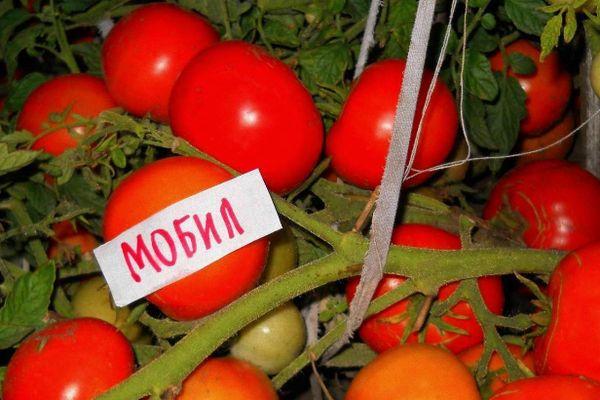
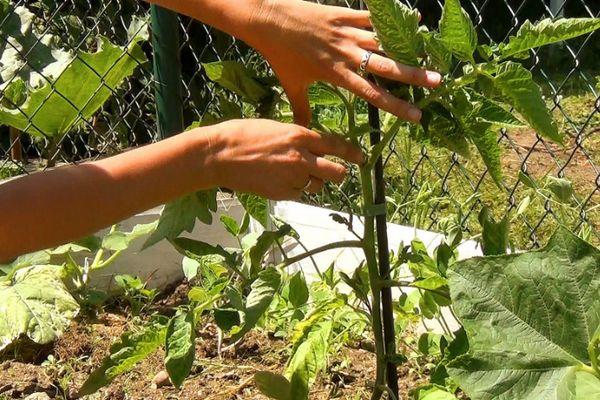
The plant is determinate, growing up to 60 cm tall. The bush is compact and semi-spreading, requiring no pinching or tying to a support. After the stems reach the soil, it's advisable to earth up the bushes to encourage additional root development. This will help the tomatoes fill out and ripen faster.
The Mobile tomato variety, according to gardeners, is suitable for greenhouses and open beds; low bushes can be planted in a hotbed or successfully grown on a balcony. Complex, branched clusters of fairly large fruits (up to 120 g) cover the plant so densely that the leaves are practically invisible.
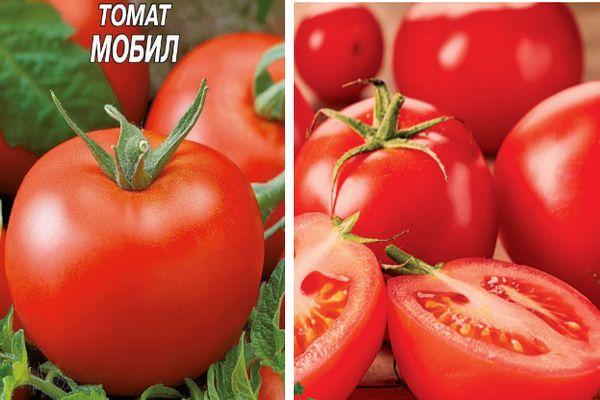
The average yield of the Mobil variety is 3-4 kg of marketable produce per bush. By planting 4-6 bushes per square meter, gardeners can achieve a good harvest from their plot.
Modern variety Mobil tomatoes are resistant to summer fungal diseases, which occur in hot and humid weather. However, during widespread late blight, it can be affected if cold weather sets in early. In favorable years, bushes have time to fully fruit by mid-August and are virtually unaffected by late blight.
Consumer properties of fruits
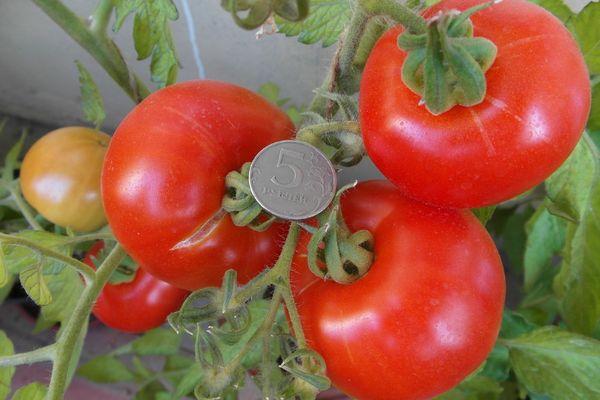
The ovaries form on branched clusters and ripen almost simultaneously. The tomatoes are uniform in size, rounded, and ribbed at the base. Each cluster can contain up to 12-15 small tomatoes. Over the course of the growing season, each stem can form 3-4 such branches.

The skin of a ripe tomato is dense and does not crack during ripening, even in high humidity. These tomatoes withstand heat treatment during canning and have excellent transportability and shelf life. The color of biological ripeness is red, with a pleasant gloss. Technically ripe tomatoes are light green, without a dark spot at the base. When ripe, the tomato's coloring is uniform and free of green spots.
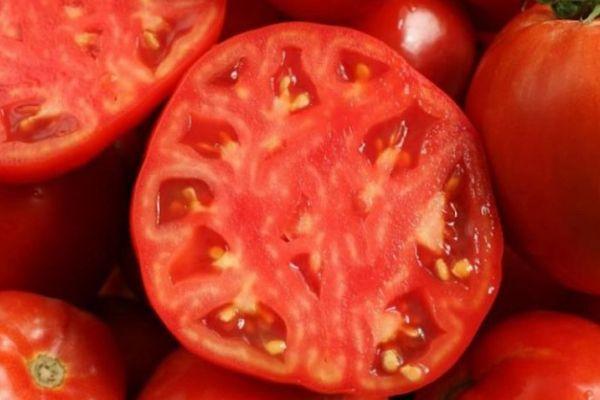
The flesh is dense, containing 3-4 large seed chambers. The fruit walls reach a thickness of 1 cm. The flesh is uniformly colored; slightly unripe tomatoes have a lighter-colored area in the center. Reviews from gardeners who have already planted this variety note its excellent taste.
Mobil tomatoes have a balanced, classic sweet and sour flavor. This flavor remains consistent regardless of growing conditions.
The Mobile variety is versatile. The berries are delicious in summer salads and slicing, can be used as a base for stuffing and making gourmet appetizers, and are a great ingredient in gazpacho and tomato soup. The pulp is included in any dish calling for it; it adds a nice color to borscht or shchi, and pairs harmoniously with the ingredients of Italian pasta sauces.
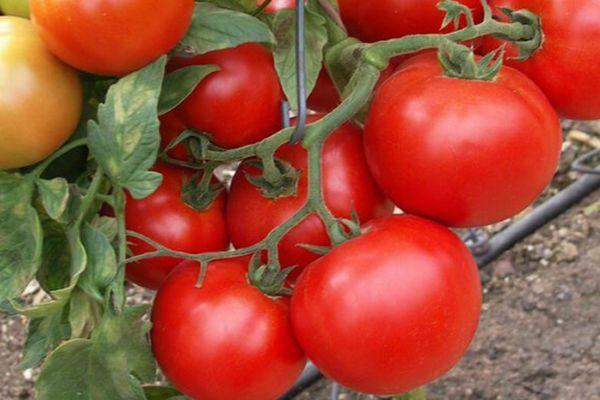
Calibrated tomatoes are convenient for canning whole tomatoes. The uniform, round tomatoes look impressive in assorted dishes, and their firm flesh retains its structure when pickled or marinated. Mobile tomatoes can be processed into tomato products. The juice or sauce will retain their traditional color and flavor. The berries are also suitable for drying.
How to get a good tomato harvest?
To grow Mobil tomatoes, prepare the soil in advance. It's best to dig it up and add compost in the fall, and then add mineral fertilizers in the spring. For every square meter, add one bucket of rotted manure or compost, 1-1.5 kg of chalk or dolomite flour (fluff, shell rock, etc. will do), and in heavy soil, add 0.5 bucket of fine river sand. When digging, thoroughly mix the soil with the fertilizers.
In the fall, you need to prepare the soil for the seeds. It consists of equal parts sand, humus, and fertile soil. To reduce acidity, add 2 tablespoons of chalk for every 10 kg of the mixture. In the spring, scatter the soil into boxes and disinfect with a hot solution of potassium permanganate.
Mobil tomato seeds can be saved if the gardener has already planted this variety and found it to be very successful. Soak the seeds in a warm pink solution of potassium permanganate for 30-40 minutes, then dry until loose and begin sowing.
Spread the seeds on moist soil and cover with dry sand or soil to a depth of 0.5 cm. Cover the trays with plastic wrap to retain moisture and place in a warm place for germination. The sowing time can be calculated from the expected planting date. By this time, the seedlings should be 70-90 days old.
When the plants have formed 2-3 leaves, transplant the tomatoes into a common box according to a 10x10 cm pattern or transplant them into separate pots with a volume of no more than 0.5 liters. When growing seedlings, you need to water them on time, not allowing the soil to dry out more than 2 cm deep.
A few days before transplanting tomatoes to their permanent location, add a complex mineral mixture to the soil. You can use special fertilizers for nightshade crops, such as Senor Tomato, Kristalon Tomato, and others. They already contain all the necessary minerals. Apply the fertilizer according to the instructions.
Determinate varieties tend to stretch a lot. It's best to plant thin, long stems in a 15-20 cm deep trench. Place the tomatoes in the trench with their tops facing north, then cover with soil, leaving 3-4 leaves above the surface. If the first flower clusters have already appeared, bury the stems to their level. Leave 30 cm between the tops of the tomatoes, and 70 cm between the trench.
Related posts:
 The best eggplant varieties for growing in a polycarbonate greenhouse: planting and care
 Description of blight-resistant tomato varieties for open ground and greenhouses
 Methods for planting and propagating cherries at home
 The best grape varieties for growing in the Urals, planting and care rules in summer
 The health benefits and contraindications of black currants
 How to control carrot flies with medications and folk remedies
 The health benefits and harms of cherries, rules of consumption, and their effects on the body
 Top 40 DIY New Year's Baking Recipes for 2020
I really liked the variety; I didn't encounter any diseases. I only used bioactivator as fertilizer. BioGrow, it doesn’t cost much and works wonderfully on seedlings.