
Many gardeners enjoy growing the Malika F1 tomato in their gardens. This variety boasts high yields and excellent flavor. It is suitable for both greenhouse and open-air cultivation.
The undemanding Malika variety tolerates minor fluctuations in air and soil temperature. It's an early-ripening variety, ready for harvest as early as July and August. On average, 108 days pass from the first shoots to ripening.
To grow the Malika tomato variety, you need to familiarize yourself with its agricultural characteristics. The manufacturer provides recommendations on the seed packaging regarding planting times, seedlings, and care.
Characteristics of the variety
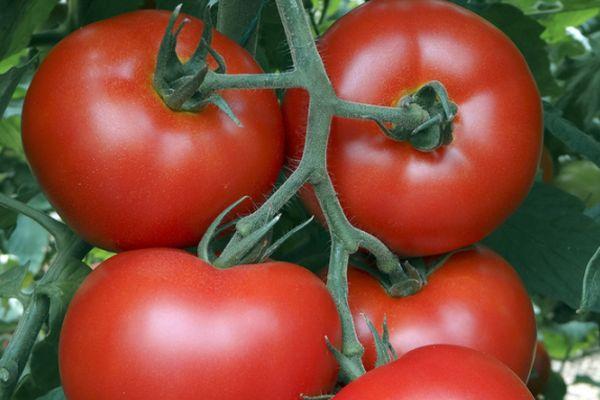
This tomato variety is indeterminate. The bush has a strong and powerful root system that can nourish and protect the plant even during drought. The stems have strong internodes, but because the fruits are heavy, it is necessary to provide support and tie up the branches.
The tomato's foliage is regular, dark green, and densely fills the entire plant. The variety has a regular inflorescence. The first inflorescence forms after the fifth or sixth leaflet. A truss typically produces eight to ten fruits.
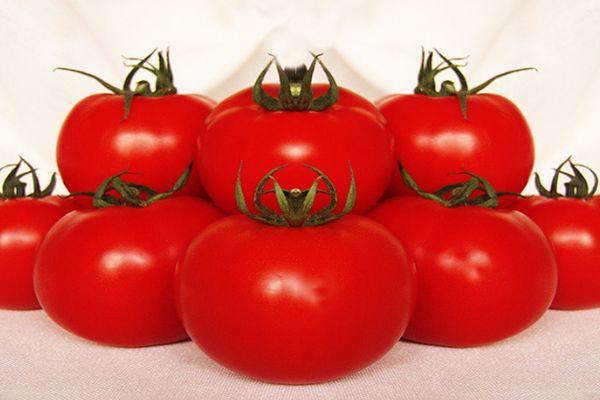
The tomatoes are round and slightly ribbed. They are slightly flattened at the top and bottom. The fruit has a uniform, rich red color. The flesh is dense and juicy, containing numerous chambers containing seeds.
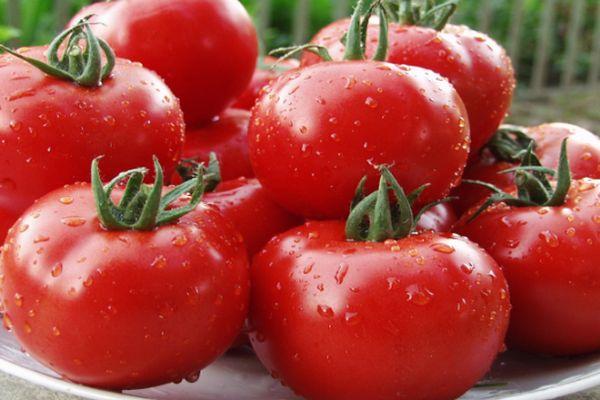
The tomato is covered with a smooth, shiny, and dense skin, which protects it from the scorching sun and prevents cracking. The average fruit weight can reach 200-275 g. The Malika variety has a high yield. Up to 19 kg of tomatoes can be harvested per square meter per season.

Experienced gardeners leave positive reviews for the Malika variety and note that even with fluctuating temperatures, the plant produces an excellent harvest.

The harvest can be stored for quite a long time, but all storage rules and conditions must be followed. The storage area should be cool and well-ventilated. The Malika variety is suitable for long-distance transportation. They retain their shape well and retain their marketable appearance.
The fruits have a pleasant tomato flavor with a slight tartness. These aromatic and juicy tomatoes are best eaten fresh. However, many cooks also use them to make juices, pastes, and salads.
To obtain a strong plant and reap a rich harvest, it is necessary to initially grow the seedlings correctly and plant them in the ground.
Growing seedlings
Seeds for seedlings can be sown in late February or early March. Before sowing, the seedlings should be soaked in a weak solution of potassium permanganate for 30 minutes, then spread on a clean sheet of paper and left to dry on a windowsill. Gardeners recommend using a seed growth stimulant. This promotes rapid and vigorous germination of young shoots.

For seedlings, prepare a small container or box filled with a special soil mixture of peat, soil, and sand. Preparing this yourself isn't difficult. Take all ingredients in equal parts and mix thoroughly.
Lightly compact the bottom layer of soil. Make small depressions of 1-1.5 cm and place the seeds in them. Then cover with soil or clean peat moss.
Immediately after sowing, the seedlings should be watered with warm, settled water. Cover the container with plastic wrap and place it in a warm place.
As soon as new shoots appear, the seedlings are moved into the light. Most often, the container is placed on a windowsill or balcony. The room should be free of drafts and excess humidity. Once the shoots have two leaves, you can begin transplanting.

 Seedlings are planted in the beds only if the soil has warmed up well and there is no risk of night frosts.
Before planting, the beds must be prepared. The soil is fertilized with humus or minerals such as potassium, nitrogen, and phosphorus are added. Zucchini, legumes, cucumbers, and cabbage are considered good predecessors for nightshade crops.
Plants are planted according to the following pattern: keep a distance of 50 cm between holes and 40 cm between rows. Place 3-4 plants per square meter. The holes should be mulched. Wood sawdust is best for this purpose.
After 10 days, the seedlings need to be fertilized. Subsequent care for Malika tomatoes will consist of regular watering, weeding, and loosening the soil.
Related posts:
 How to propagate and grow peas, cultivation technology, and care in open ground
 How to properly plant peas in a greenhouse and open ground
 How to plant grapes step by step, with a description of the process and care
 Description of varieties of sowing peas and cultivation, to which family they belong
 How to control onion flies using natural and chemical methods
 How to grow ginger in the open ground at your dacha, planting and care
 The best grape varieties for growing in the Urals, planting and care rules in summer
 13 Best Peach Varieties for Central Russia, Planting and Care