
The Perseus tomato is familiar to every gardener. This variety was developed over 100 years ago by Moldovan breeders. Its disease resistance and low maintenance have made it popular in many countries, including Russia.
Main characteristics
Perseus tomatoes are mid-season vegetables. The fruits ripen in no more than 120 days from the time the seedlings emerge. This short ripening period makes it suitable for growing in regions with short summers. The tomato also thrives in southern regions. The plant has abundant foliage that protects the fruit from the scorching sun.
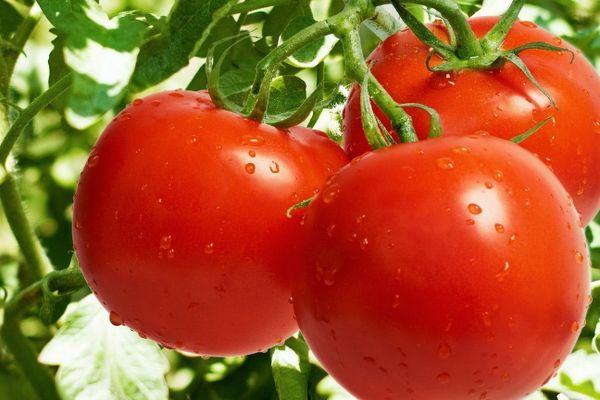
Perseus tomatoes can be planted both in a greenhouse and in the open ground. When grown in beds, pollination occurs via wind and insects. If grown in a greenhouse, artificial pollination will be required.
The characteristics and description of the variety will be discussed below. Perseus is a classic red tomato with medium-sized, round fruits. The plant grows to a height of 0.5 m, with strong branches and abundant foliage. It requires no staking or pinching, making it much easier to care for.
This tomato variety isn't known for its record-breaking yields, but it produces fruit reliably. Under favorable conditions, it can produce quite a large number of fruits. Each cluster produces an average of 4-5 fruits, with a tomato weighing between 110 and 180 grams.
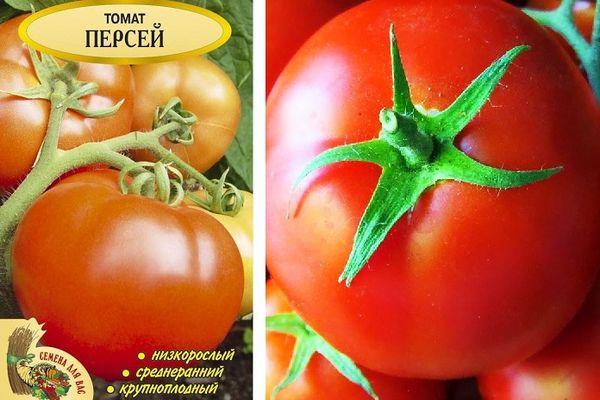
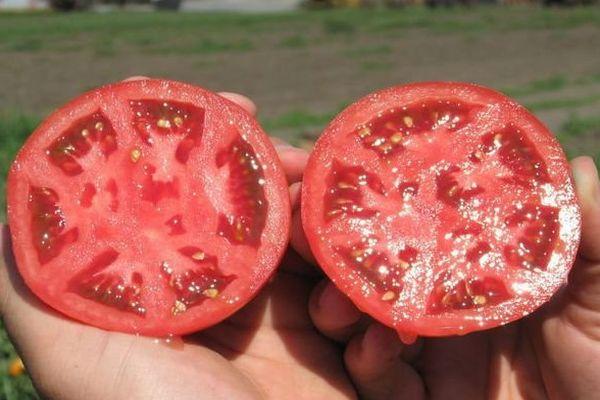
The first fruits are larger than those that ripen later in the season. The flesh is firm but juicy. This versatile variety can be eaten fresh or added to various dishes. It retains its flavor when preserved.
In addition to its excellent taste, the vegetable is easy to transport and has a long shelf life, so it is often grown for sale.
The Perseus tomato variety description is as follows:
- Easy to care for.
- High yield.
- Resistance to sun and diseases.
- Long shelf life.
- Good transportability.
Resistance to most diseases typical of the nightshade family distinguishes this variety from other tomatoes. For example, the Perseus tomato is resistant to fusarium wilt, tobacco mosaic virus, late blight, early blight, and anthracnose. Disease and pest prevention is carried out as needed with fungicides. The risk of disease increases in warm and humid conditions.
Growing rules
You can grow seedlings from seeds from last year's harvest, but you need to choose them carefully. The fruits for seed collection must be of the correct variety and fully ripe, but not overripe. The seeds are removed and left for several days along with the juice. Once the juice has fermented, the seeds are washed and dried. Store the seeds in a paper bag in a dry place.
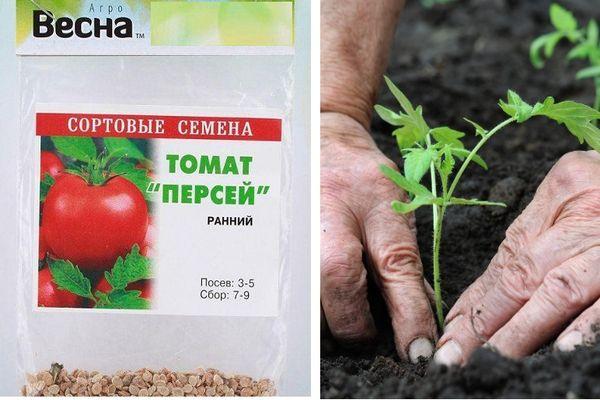
Before planting, seeds should be disinfected by soaking them in a potassium permanganate solution for 10-15 minutes. To speed up germination, the seeds should be germinated using gauze or cotton wool soaked in water. They can be planted in the ground when the sprouts reach 4-5 mm. It is important to remember that if you leave the sprouts too long, the tomatoes may not take root in the soil.
Any type of box will do for planting seedlings: wooden, plastic, or even cardboard. Sow the seedlings two months before planting the tomatoes in the garden, in a general-purpose soil prepared two weeks beforehand. This preparation involves adding soil to the soil to promote beneficial microflora.
Sow seeds into moist soil at a distance of 2 cm. Plant at a depth of 1 cm, leaving 4 cm between rows. Cover the boxes with plastic or glass until the first sprouts emerge. Afterward, uncover the seedlings and provide them with good light.
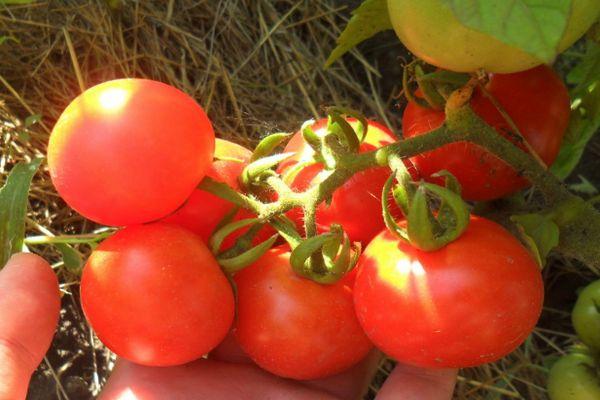
After 2-3 weeks, the seedlings are divided into individual 600g containers. Before planting, the tomatoes are hardened off. Planting depth is 10 cm, with a 40 cm spacing between plants. 7-8 plants fit per square meter.
After analyzing gardener reviews, we can highlight some specific care considerations for Perseus tomatoes. Watering shouldn't be too frequent, but it should be generous. Add 2-3 liters of water per bush at a time. Timely weed removal is a key factor in ensuring a good harvest.
The soil should be loosened periodically to improve oxygenation. Timely fertilization is equally important. After planting the seedlings, it's best to use nitrogen-containing fertilizers. When flowers appear, use magnesium and bromine fertilizers. Once the fruit sets, use fertilizers containing phosphorus and potassium. Avoid overfertilizing, as this will negatively impact tomato growth.
Related posts:
 Carrot care guidelines for outdoor cultivation to ensure a good harvest
 Is it possible to soak treated cucumber seeds before planting and how to do it correctly?
 Is it possible to grow an apricot tree from a seed in your garden? How to plant and care for it?
 How to properly plant peas in a greenhouse and open ground
 How to properly grow a peach tree from a seed at home, planting and care
 The best eggplant varieties for growing in a polycarbonate greenhouse: planting and care
 Why didn't the carrots sprout and what should I do? How to plant them so they sprout quickly?
 Planting and caring for cherries, feeding and growing rules