
Many gardeners are interested in how to grow the Silver Spruce tomato, its characteristics, and its variety description. The Silver Spruce variety came to Russian gardeners from the United States. Tomatoes ripen on the vine in just 85 days after sowing the seeds for seedlings. However, this period is longer for the Blue Spruce tomato when grown in cold climates. In this case, weather also plays a role, extending the ripening time to 100 days.
Characteristics of the variety
Characteristics and description of the variety:
- Tomatoes differ from other varieties in taste and appearance, which is due to genetic characteristics introduced by breeders.
- This variety is determinate, meaning its height is controlled and has certain limitations. For example, tomato plants can reach a height of 0.9 m, so they need to be tied to stakes as they grow.
- The foliage of the Silver Spruce tomato, according to gardeners, has a pleasant silvery hue, which is why the variety is called Silver or Blue Spruce.
- Tomatoes can be grown in greenhouses and open ground, and the yield will be equally high.
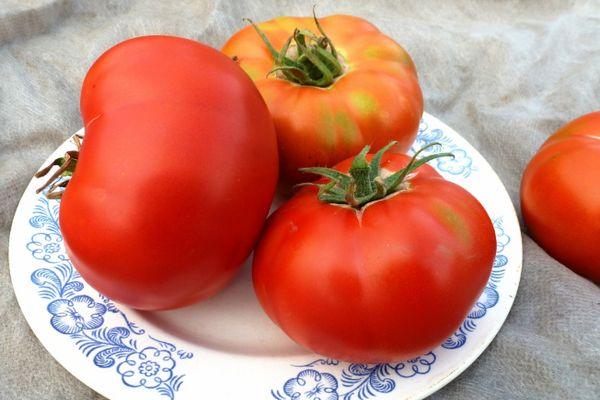
- Each tomato fruit has a weight that varies within 0.2 kg.
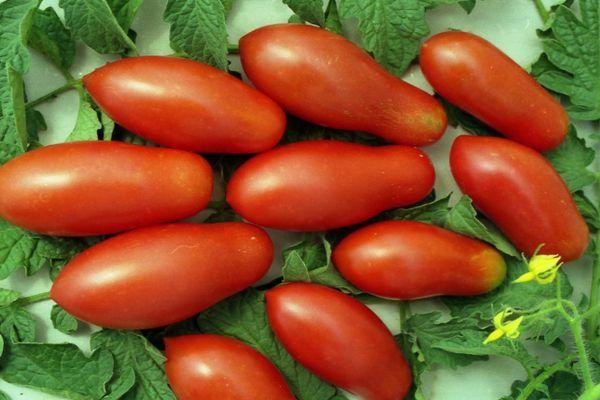
- The shape of the tomatoes is round-oval, characterized by a slight flattening.
- The tomatoes are medium sized.
- The tomatoes are juicy and have excellent flavor. They lack the typical sourness.
- The fruits are distinguished by a uniform red color, with a small fluff on the skin.
- Blue Spruce tomatoes are used for canning, making tomato pastes, purees, and juices. During the season, they are eaten fresh or used in salads and soups.
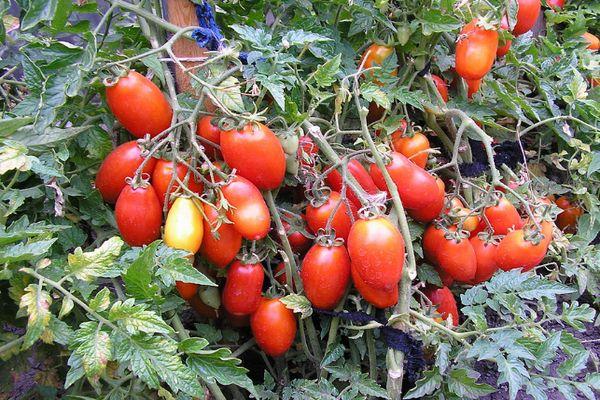
How are tomatoes grown?
Let's look at the specifics of cultivation and care. Proper care of seedlings and mature saplings will significantly increase the yield per square meter. The fact that breeders have made the variety resistant to the most common diseases and infections also contributes to a bountiful harvest.
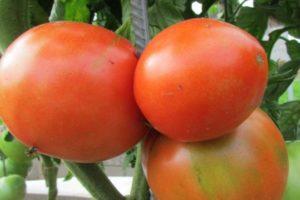
Blue Spruce tomatoes tolerate temperature fluctuations and changing weather conditions well, making them suitable for growing in various regions of the country. Gardeners in both warm and cool climates typically harvest up to 5 kg of tomatoes from a single plant.
Planting seeds in the ground takes place around the twenties of March or in early April. We plant the seeds directly in peat pots, which will avoid the hassle of transplanting seedlings into open beds or greenhouse soil later. This will save significant time and preserve the integrity of the plant's root system and stems.
Another important aspect of this method of cultivation is that the seedlings become more resistant to diseases and infections.
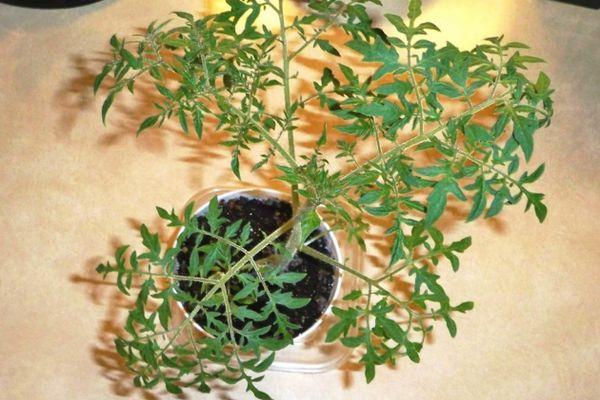
Before planting in peat pots, treat the seeds with a biostimulant. As soon as the first seedlings appear, provide them with proper care. This primarily involves regular watering. Avoid overwatering; carefully monitor the soil. As soon as the top layer of soil dries, water the roots. After two months, transplant the seedlings to a greenhouse or open ground.
For those gardeners who have decided to grow Silver Spruce tomatoes, descriptions and reviews from gardeners on websites will help them plant and care for them properly. To grow strong plants, the soil must be prepared by treating it with a hot solution of potassium permanganate, which will eliminate pests and parasites.
Mineral fertilizer is then added to each hole. Fertilizing should be repeated 2-3 weeks after the seedlings are transplanted from the pots. Manure and organic mixtures are excellent fertilizers. It's important that they don't contain chemicals. This careful care will ensure environmentally friendly produce.
Irrigation of bushes should be carried out around the roots, water should not fall on the leaves. In a greenhouse, it's important to ensure regular ventilation to ensure fresh air reaches the plants. The soil should be loosened periodically, and weeds and excess shoots should be removed.
Related posts:
 Rules for growing tomatoes in open ground, choosing a variety, planting and care
 Description of the best varieties of black tomatoes for open ground and greenhouses
 What fertilizers and when to use for feeding tomatoes in a greenhouse
 Growing cherry tomatoes in a greenhouse and open ground, when to plant seedlings
 16 Best Quick Pickled Tomato Recipes for the Winter
 What is the best way to feed tomato seedlings to make them plump?
 Planting and caring for arugula in open ground, description of the best varieties and their cultivation
 What varieties of tomatoes are best to plant in a polycarbonate greenhouse?
